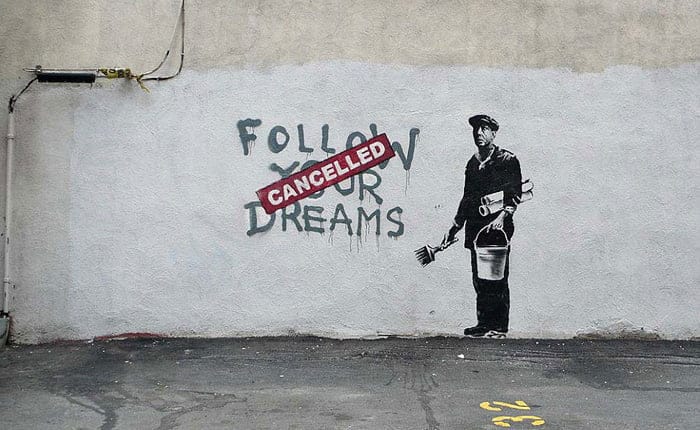
From graffiti on inner city walls to popup galleries that promote this kind of work, street art has taken on new meaning over the years and spread into many fields of creativity.
If you start reading about the topic, you will find that modern street art grew out of the graffiti boom that happened in New York during the 70s, a movement that included the now famous subway murals of the Bronx.
Self-taught artists with clever ideas have appeared all over the world, and today street art is more visible than ever thanks to the internet and the many photographs online showing work by both famous and unknown artists. Street art has inspired whole communities for years, but beyond telling one artist’s personal story, graffiti has done a good deal more than that.
Several fields of design have been shaped by this form of expression, and if you look closer you can see the connection. Here is how something once treated as vandalism is now entering and changing mainstream design:
Print design
From magazines to newspapers and doodle art, print design is one of the branches that sits closest to everything street art represents. Print designers are always trying to keep their work original, so it makes sense for them to reach for unusual visuals, which is exactly what street art offers.
From abstract pieces to classic graffiti, there are plenty of projects that cover different types of street art. Now that graffiti appears on the covers of well-known magazines, you can say street art has moved in a mainstream direction. Some artists have accepted this, while others have started working to keep the unique character of the movement intact.
Fashion
Given the shifting, artsy nature of the fashion industry, it did not take long for designers to become interested in what street art stands for and to adopt it themselves. Fashion has always been a less conventional form of art, so the link between graffiti and fashion design came naturally.
Street wear is the style most affected by graffiti artists, and many designers in this segment have started to collaborate with them. From DC Shoes to Nike and Adidas, various well-known brands have worked with talented street artists on shoe and clothing collections built for “street life”.
You can now buy pieces with an authentic creative touch from artists like Mike Giant or Noah. Even brands you would not normally connect with graffiti have turned toward clothing with a street artsy feel. One example is Moschino, a high-end label that decorated a collection of gowns with graffiti tags. Street art now sits comfortably alongside fashion design and unconventional aesthetics.
Advertising
Advertising has changed a great deal over the years. Because ad designers need to keep their work interesting, they have started looking for ideas in unusual places, and street art has become a strong source of inspiration. Big brands are always on the lookout for good artists to hire for eye-catching TV visuals.
Companies now use street art not only in TV ads but in posters, billboards and other printed advertising. Judging by the results, that choice has worked out well. Advertising taking up street art is the clearest sign of how much things have changed, and how something once seen as an act of rebellion has been adopted by society.

Music – Artwork for album covers
Given the relationship between graffiti and rap music, it was expected for street art to start making its way into the music industry. Record labels often partner with talented local graffiti artists on album covers. Music design is probably one of the areas where this form of expression has had the most influence over the years.
Street art first caught the interest of the hip hop scene, but things have moved on. Today contemporary artists from many genres work with street artists on original artwork for their albums. A simple Google search shows how many music graphics of this kind now exist.
Digital media
It is probably no surprise information to you that plenty of video games base their visuals on graffiti. Street art has let developers add authenticity to their projects and make their concepts feel more real, which draws a wider audience. Graffiti visuals have also been picked up by various other digital trends, so multimedia is another design field that has noticed the potential of graffiti and used it. Digital media professionals keep working with graffiti designs to give their creations new qualities.
As you can see, street art has had quite the influence across different branches of design, shaping the work of many artists in many fields. From fashion to typography, graffiti has made its way into a wide range of projects, and given the depth and meaning behind street art, it is easy to understand why.
The now-visible connection between street art and mainstream design keeps growing, so you can expect to find many more creations that tie the two together and give graffiti an even bigger part to play.
