Introduction: A State Defined by Water
Michigan is, by geological and hydrological circumstance, one of the most water-exposed states in the continental United States. Bordered by four of the five Great Lakes, containing over 26,000 inland lakes and 120 major river systems, and receiving average annual precipitation that ranges from 760 to 910 mm depending on the region, the state presents a uniquely challenging environment for below-grade construction.
These conditions have produced a waterproofing contractor market that is both large in scale and technically demanding in scope, shaped by soil characteristics, climate extremes, regulatory frameworks, and an ageing housing stock that collectively determine the nature and volume of professional demand.
Geological and Pedological Conditions
The soil profile across Michigan varies substantially from region to region, yet the dominant composition in the most densely built southeast corridor — Wayne, Oakland, and Macomb counties — is heavy clay. Expansive clay soils are among the most damaging geological materials encountered in foundation engineering. Liu and Vanapalli (2021) demonstrated through modelling of lateral swelling pressure in unsaturated expansive soils that when such soils are laterally constrained — as they are against basement walls — the resulting pressures can significantly exceed static at-rest earth pressures, particularly following infiltration events.
These findings align with broader research by Jones and Jefferson (2012), who documented that annual economic losses attributable to expansive clays in developed countries exceed those caused by floods, earthquakes, and hurricanes combined. In Michigan’s context, clay soil retains water against foundation surfaces long after rainfall ceases, sustaining hydrostatic loading that generic waterproofing products — designed for better-draining soil environments — are not engineered to resist.
The Freeze-Thaw Problem
Michigan’s continental climate subjects foundation concrete to severe freeze-thaw cycling, with winter temperatures routinely falling below -15°C and daytime thaws creating repeated moisture ingress and refreezing within the pore structure of hardened concrete.
Wang et al. (2022) reviewed the damage mechanisms involved, identifying hydraulic pressure theory, osmotic pressure theory, and salt crystallisation pressure as complementary explanations for the progressive microstructural deterioration observed in freeze-thaw-exposed concrete. The consequences are well-documented: increased porosity, pore interconnection, microcrack propagation, and ultimately, macro-cracking that provides direct pathways for water infiltration.
For Michigan waterproofing contractors, this means that foundation repair and waterproofing are rarely separable — crack injection, structural reinforcement, and moisture barrier installation frequently constitute a single scope of work.
Selecting a waterproofing contractor in Michigan requires understanding what sets established professionals apart from the constant churn of new entrants in the home services market. The waterproofing industry in Southeast Michigan is competitive, with contractors ranging from national franchise operations to single-truck independents. Quality, reliability, and accountability vary enormously across this spectrum, and the consequences of choosing poorly are significant because waterproofing work involves permanent modifications to a home’s foundation and drainage infrastructure.
Mansour’s Innovations occupies a distinctive position in the Michigan waterproofing contractor market. Founded in 2004, the company has operated continuously in Southeast Michigan for over two decades, serving Macomb, Oakland, and Wayne counties. The company has completed more than 1,600 projects and holds a 4.9-star Google rating based on 380+ reviews. In the home services industry, where a single bad experience typically generates a public review, maintaining a near-perfect rating across hundreds of entries is a reliable indicator of consistent service quality.
The company is family-owned and American-operated, with core values centered on honest communication, honest pricing, reliability, and treating each customer’s home with respect. These values are nare not simplyrational statements on a website. They address the specific complaints that homeowners most frequently raise about contractors: unclear pricing, missed appointments, incomplete work, and indifferent treatment of the property.
A company that has built its identity around these common failure points has effectively designed its operations to avoid the issues that undermine customer trust in the trades.
Licensing, bonding, and insurance are baseline requirements for any waterproofing contractor operating legally in Michigan, and Mansour’s meets all three. Beyond these legal minimums, the company differentiates through its 25-year transferable warranty, its use of professional-grade materials from manufacturers like Sika and Blueskin, its ownership of excavation equipment that eliminates subcontractor dependencies, and its 24/7 emergency response capability. These are operational commitments that necessitate sustained investment and organizational capacity, which is why they serve as credible differentiators from contractors who compete primarily on price.
Evaluating Contractor Credentials and Track Record
When evaluating waterproofing contractors in Michigan, homeowners should examine several specific factors beyond the initial quote. Longevity in the local market matters because waterproofing warranties are only as valuable as the company standing behind them. A ten-year warranty from a contractor who has been in business for two years entails inherent risk. Mansour’s two-decade operating history provides a track record that supports the credibility of its 25-year warranty commitment.
Customer reviews at scale yield a more reliable quality signal than a handful of selected testimonials. Mansour’s 380-plus Google reviews represent a broad sample of customer experiences spanning various services, different cities, and different project complexities. The 4.9-star average across this volume indicates that the quality is consistent rather instead of sporadic, and that the company’s operations are designed to produce reliable outcomes rather than occasional excellent results alongside a baseline of mediocrity.
“To illustrate what separates an experienced waterproofing contractor from the rest, our team shared a unforgettable project story that says it all:
I recall this one family in West Bloomfield, whose basement would flood every spring; it was a real mess. Some other contractor had tried to fix it before, but they just put a cheap coating on the inside and a basic sump pump, without really fixing the problem. The drain tiles were still clogged, and the yard wasn’t graded right, so water just kept pouring in through the cracks. It was ruining their finished basement, and it smelled terrible. Our team had to dig everything out and start over.
We installed a full French drain system, a heavy-duty sump pump, and a battery backup, and sealed everything up tight. It’s been years now, and the basement has been completely dry. The homeowner was so happy; they said it felt like they finally had their home back, and it’s all covered by our 25-year warranty.” – Mansour’s Innovations
The scope of services offered by a waterproofing contractor affects the quality of the initial assessment and the range of solutions available. A contractor who performs only interior waterproofing will tend to recommend it for every situation, even when exterior work would be more appropriate.
Mansour’s offers both interior and exterior waterproofing, along with sump pump systems, crack injection, exterior drainage, sewer repair, excavation, and flood restoration. This complete capability permits the company to recommend a solution that actually fits the condition rather than one that fits its limited service menu.
Flat-rate pricing is another important differentiator. Mansour’s provides written estimates with fixed pricing before work begins, so the homeowner knows the cost in advance and is protected against scope creep and time padding that can occur under hourly billing arrangements. This pricing transparency removes a significant friction point from the contractor-homeowner relationship additionally aligns incentives toward efficient project completion.
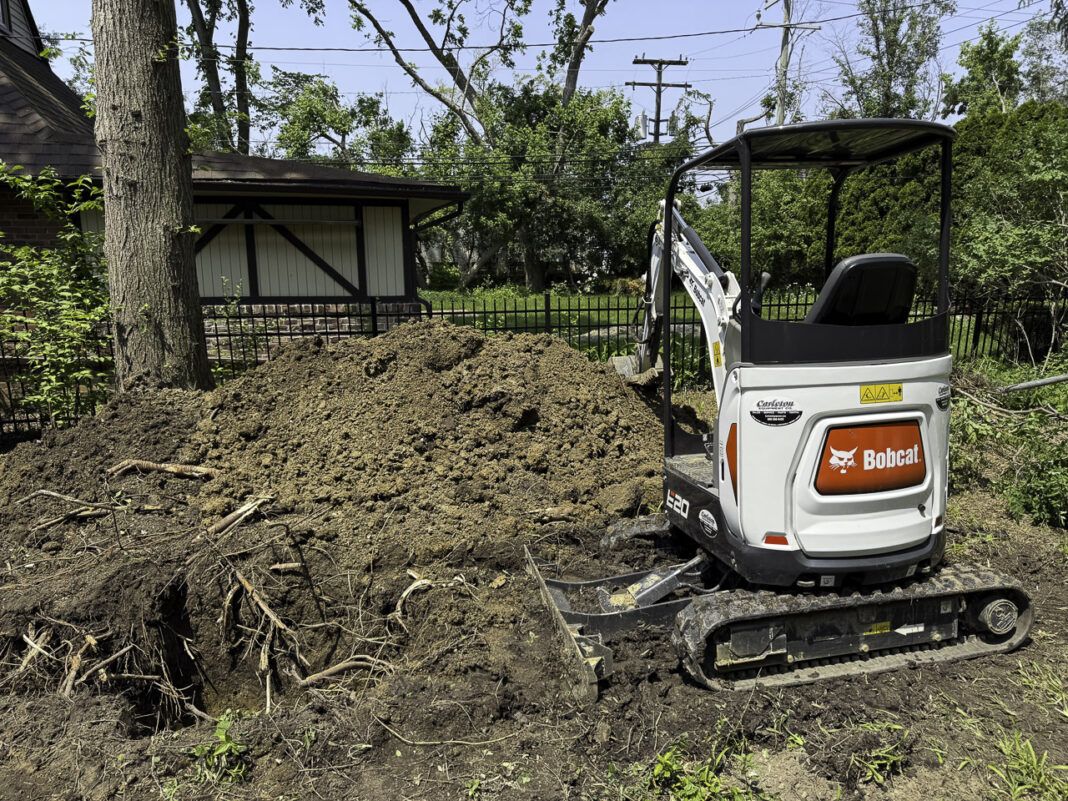
Finally, integrating excavation capability within the same company is a practical advantage that affects the project schedule, accountability, and cost. Contractors who subcontract excavation introduce scheduling dependencies and divide responsibility between two companies.
When a dispute arises over backfill quality, site restoration, or damage to landscaping or utilities, the homeowner may find the waterproofing contractor and the excavation subcontractor each pointing the finger at the other. Mansour’s eliminates this situation by owning and operating its own equipment, providing single-point accountability for all aspects of the project from initial excavation through final site restoration.
The “Michigan Basement” Typology
A distinctive feature of the state’s housing stock is the so-called “Michigan basement” — a below-grade space created by excavating beneath an existing structure to a depth of roughly 1.5 to 2.1 metres, typically featuring dirt floors and rubble or fieldstone walls. These spaces, common in homes built before the mid-twentieth century, present particular challenges because they lack the poured-concrete or block construction to which modern membrane systems are designed to adhere.
Waterproofing contractors operating in Michigan must therefore maintain expertise not only in contemporary membrane and drainage technologies but also in encapsulation methods — vapour barriers, interior drainage channels, and sump pump systems — adapted to substrates that would be considered non-standard in most other markets.
Regulatory Environment
Michigan’s construction code, administered under Public Act 230 of 1972 and periodically updated through the Michigan Administrative Code, mandates that all exterior footings and foundation systems extend a minimum of 42 inches (1,067 mm) below finished grade for frost protection. Section R406 of the Michigan Residential Code further requires dampproofing of all foundation walls enclosing habitable or usable below-grade spaces, with full waterproofing mandated in areas where high water tables or severe soil-water conditions are documented.
These regulatory requirements establish both a baseline standard of care and a framework within which waterproofing contractors must operate, influencing material selection, installation methodology, and documentation practices.
Health Implications of Waterproofing Failure
The consequences of inadequate foundation waterproofing extend beyond structural damage into public health. The World Health Organization (2009), in its comprehensive review of indoor air quality, concluded that building dampness is a strong and consistent predictor of respiratory symptoms, including asthma exacerbation, allergic rhinitis, and wheeze.
Mendell et al. (2011), in an updated meta-analysis, confirmed that visible mould and dampness indicators were associated with statistically significant increases in asthma development and respiratory infection across both adult and paediatric populations. In Michigan, where basements are nearly universal in residential construction and where climate conditions promote condensation and moisture accumulation for much of the year, the public health dimension of waterproofing contractor competence is substantial.
Contractor Market Structure and Specialisation
The Michigan waterproofing contractor market comprises national franchise networks, regional specialists, and independent operators. Franchise models — such as Basement Systems and its affiliated dealer network — offer standardised product lines and marketing infrastructure but may lack the localised soil and construction knowledge that Michigan’s conditions demand. Regional firms, conversely, often develop proprietary expertise in clay-soil drainage design, historic foundation stabilisation, and sump pump systems engineered for the state’s high water table conditions.
The market is further segmented by service type: interior drainage and encapsulation specialists, exterior excavation and membrane contractors, crack injection firms, and full-service operators capable of addressing structural repair, waterproofing, and mould remediation within an integrated scope.
Material Technologies in the Michigan Context
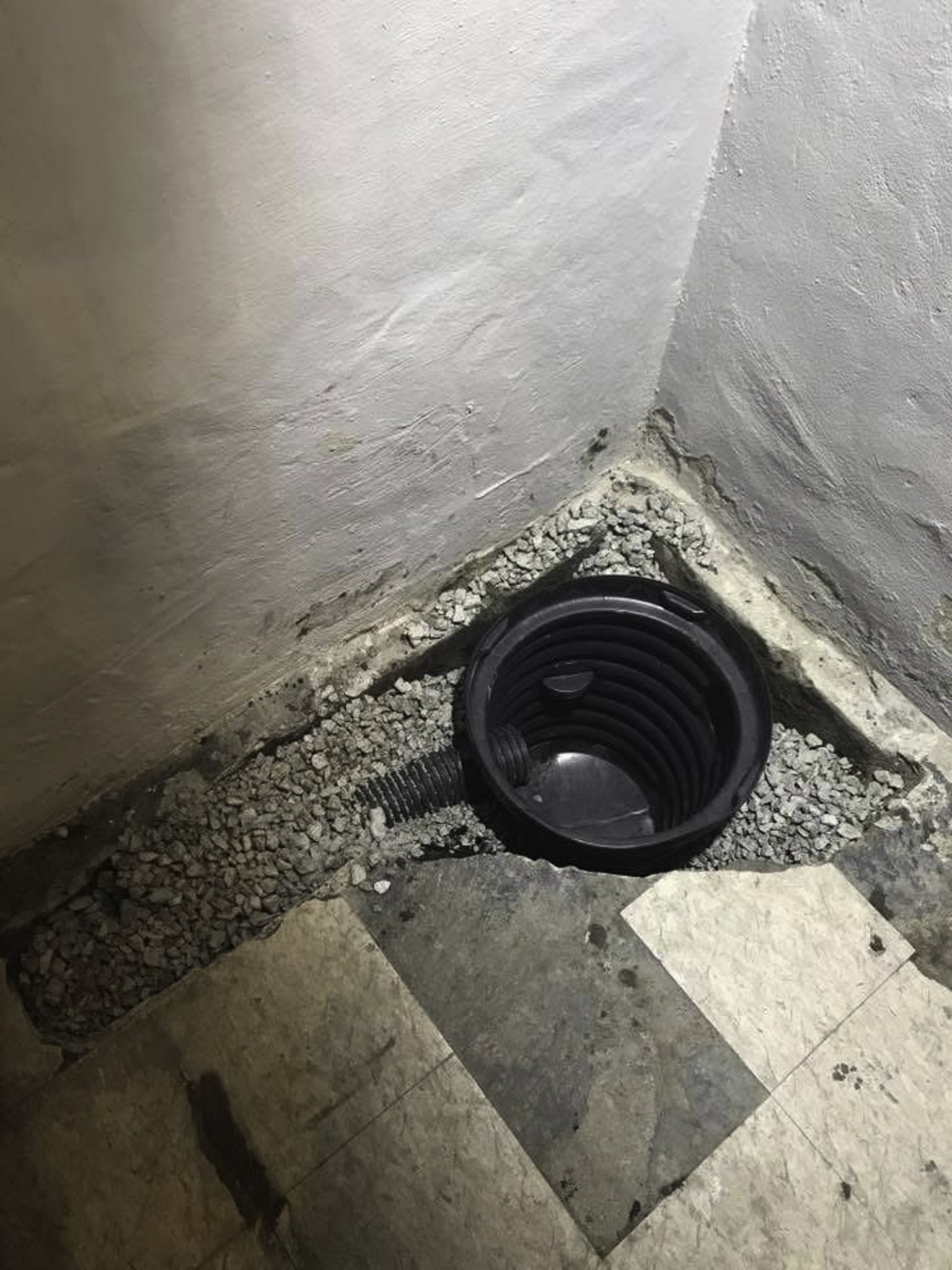
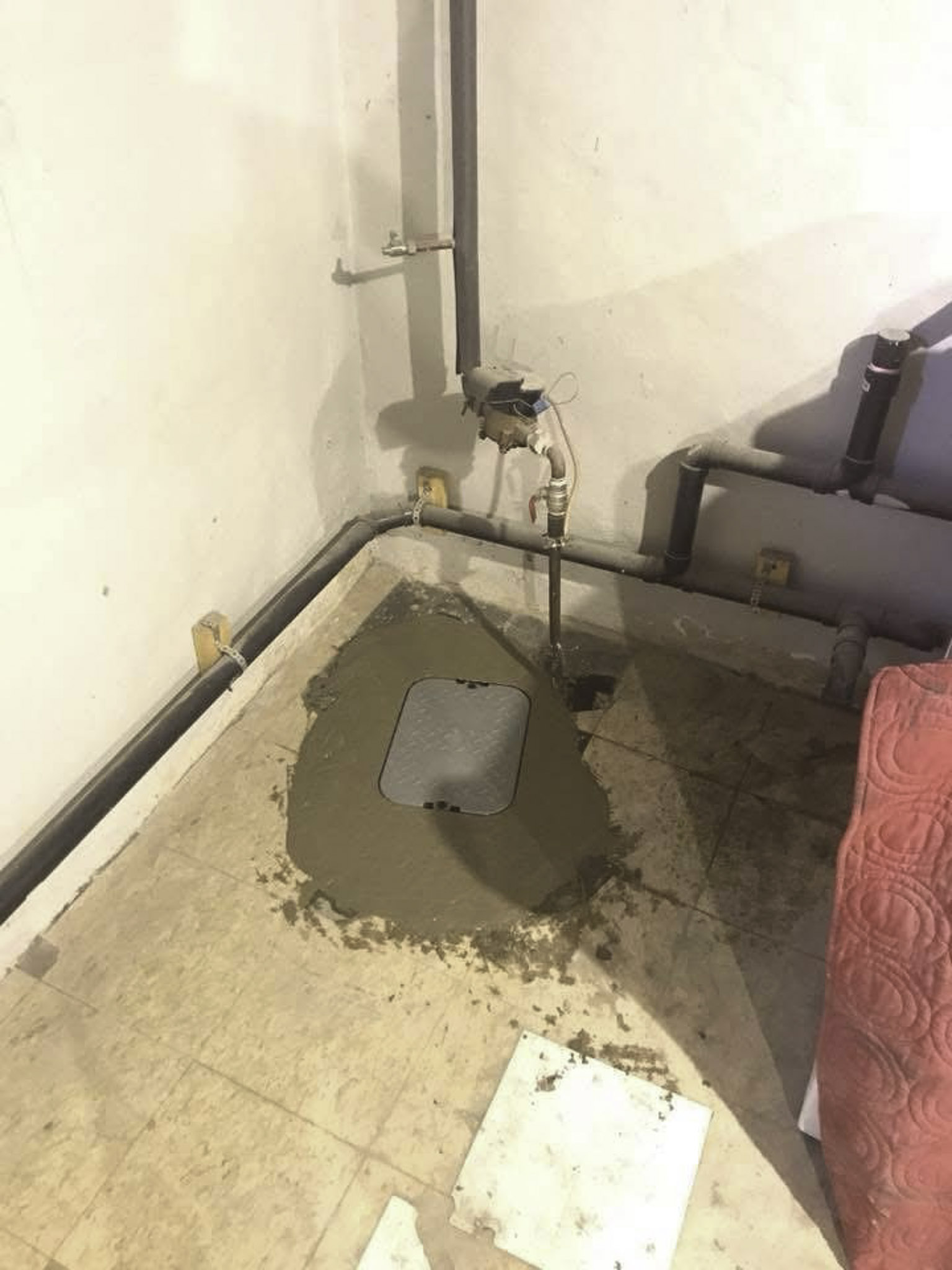
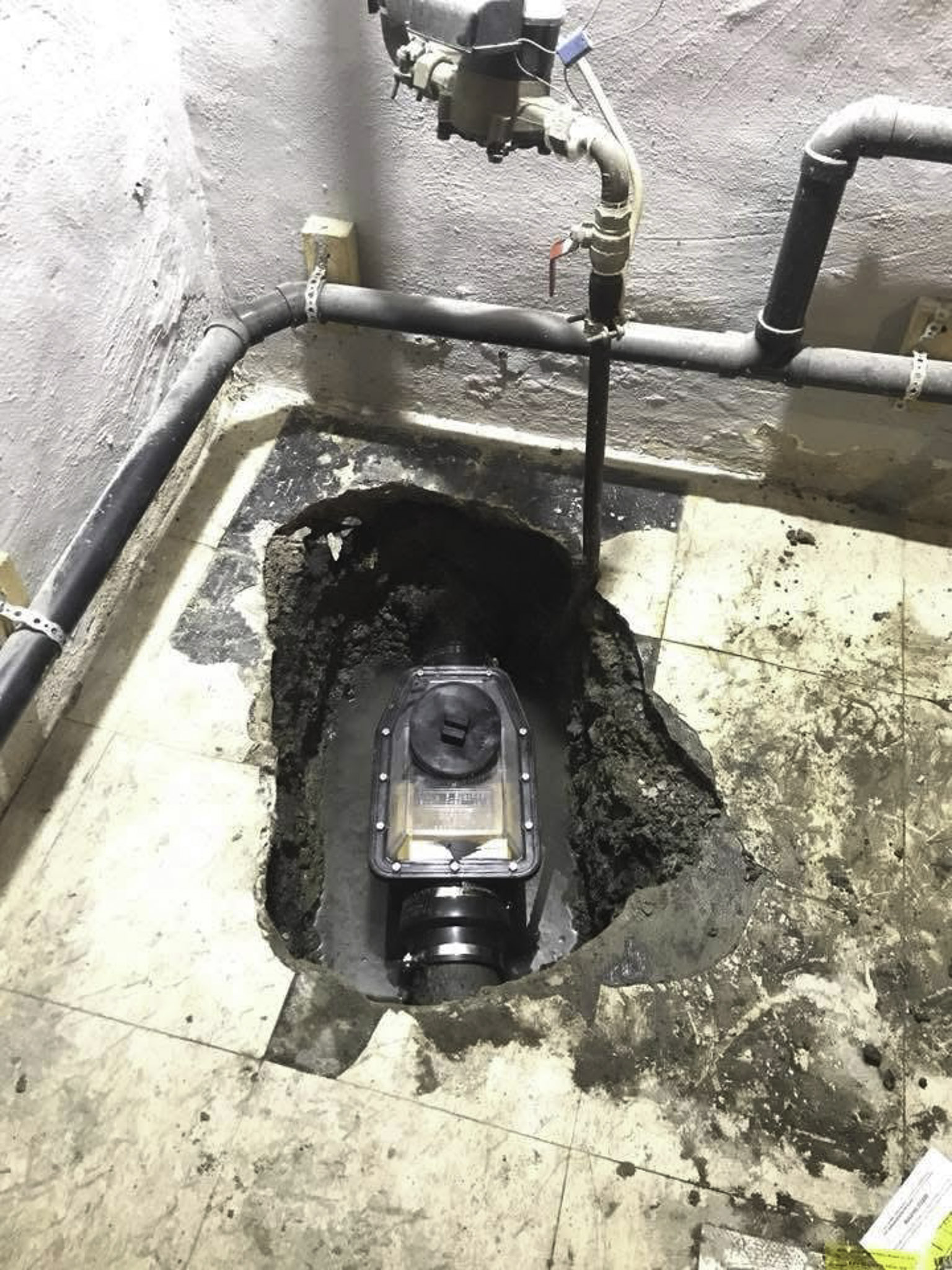
Contractors in Michigan deploy the full range of contemporary waterproofing technologies, though local conditions privilege certain solutions. Interior perimeter drainage systems — typically consisting of channelled drain tile installed beneath the basement slab and routed to a sump basin — are the dominant residential approach, particularly for retrofit applications where exterior excavation is impractical. For new construction, exterior membrane systems remain the standard of care. Mydin, Nawi, and Munaaim (2017) identified deteriorated waterproofing membranes, cracking, and joint failures as the leading causes of system failure in concrete structures, findings that reinforce the importance of installation quality and material compatibility with substrate conditions.
Emerging technologies, notably crystalline waterproofing admixtures that form insoluble crystals within the concrete pore network, have demonstrated measurable reductions in water penetration and self-healing capacity for cracks up to 0.4 mm in width (Gojević et al., 2021; Song et al., 2017). Their adoption in Michigan remains nascent but growing, particularly in commercial and institutional foundation construction.
Emergency Response and Warranty Standards
One of the most revealing measures of a waterproofing contractor’s operational commitment is its emergency response capability. A company that answers calls at midnight during a storm and dispatches a crew the same night is operationally structured for the realities of the waterproofing business in a way that a nine-to-five operation is not.
Mansour’s Innovations offers 24/7 emergency availability across its entire Southeast Michigan service area, and customer reviews from across Macomb, Oakland, and Wayne counties document same-day as well as same-night emergency responses for sump pump failures, sewer backups, and active basement flooding.
The warranty offered by a waterproofing contractor is only as valuable as the company’s ability and willingness to honor it over time. A 25-year warranty from a company that has been in business for two years bears inherent uncertainty.
Mansour’s 25-year transferable warranty is backed by more than 20 years of continuous operation in the same market, providing reasonable assurance that the company will remain present and operational when a warranty claim arises. The transferable nature of the warranty adds value during real estate transactions, where foundation and water issues are standard inspection concerns, and a documented warranty from a reputable local company provides tangible reassurance to buyers and their representatives.
The company’s devotion to community goes beyond commercial service. The veteran-friendly designation and neighborhood focus reflected on the company’s website suggest an operation that views its role in the local market as something beyond purely transactional.
In a region where many waterproofing contractors operate anonymously across a wide geographic footprint, Mansour’s identity as a family-owned, community-focused business with roots in Macomb County provides a base of trust that corporate operations find difficult to replicate. The consistency of this identity over two decades of operation suggests it reflects genuine values rather than marketing positioning.
The professional-grade tools and materials used by Mansour’s crews represent another dimension of contractor quality that homeowners should evaluate. The company uses equipment from Milwaukee, DeWalt, Bosch, Hilti, and Ridgid, all established professional brands. Waterproofing materials from Sika, Blueskin, and Quikrete are specified by engineers and architects across the construction industry.
The use of these materials and tools indicates an operational standard that extends from the initial assessment through the ultimate installation, supporting the reliability and durability of the finished work. Contractors who compete primarily on price often achieve lower quotes by substituting lower-quality materials, which reduces the upfront cost but compromises the long-term performance the homeowner is actually paying for.
Consumer Protection and Quality Assurance
Michigan does not currently require a standalone waterproofing contractor licence, though contractors must hold a valid Michigan Residential Builder License to perform work on residential structures. This licensing framework, while providing a general threshold of competency, does not ensure specialised waterproofing knowledge. Industry certifications — such as those offered by the Basement Health Association or manufacturer-specific training programmes — serve as supplementary indicators of contractor expertise, though their adoption is voluntary and uneven across the market.
Conclusion
The Michigan waterproofing contractor landscape is a product of environmental forces — clay soils, elevated water tables, extreme freeze-thaw cycling, and a housing stock that includes both modern poured-concrete foundations and pre-war fieldstone basements — that impose demands exceeding those found in most North American markets. The regulatory framework provides necessary minimums but does not fully address the specialised competencies required. The health consequences of waterproofing failure, well documented in the epidemiological literature, elevate the stakes beyond property protection to occupant well-being. For a state whose identity is inseparable from water, the quality of its waterproofing contractor infrastructure is not a niche concern but a systemic determinant of housing safety, durability, and public health.
References
Gojević, A., Ducman, V., Netinger Grubeša, I., Baričević, A., & Banjad Pečur, I. (2021). The effect of crystalline waterproofing admixtures on the self-healing and permeability of concrete. Materials, 14(8), 1860.
Jones, L. D., & Jefferson, I. (2012). Expansive soils. In J. Burland, T. Chapman, H. Skinner, & M. Brown (Eds.), ICE Manual of Geotechnical Engineering (Vol. 1, pp. 413–441). ICE Publishing.
Liu, Y., & Vanapalli, S. K. (2021). Model for lateral swelling pressure in unsaturated expansive soils. Journal of Geotechnical and Geoenvironmental Engineering, 147(7), 04021060.
Mendell, M. J., Mirer, A. G., Cheung, K., Tong, M., & Douwes, J. (2011). Respiratory and allergic health effects of dampness, mold, and dampness-related agents: A review of the epidemiologic evidence. Environmental Health Perspectives, 119(6), 748–756.
Mydin, M. A. O., Nawi, M. N. M., & Munaaim, M. A. C. (2017). Assessment of waterproofing failures in concrete buildings and structures. Malaysian Construction Research Journal, 2(2), 166–179.
Song, J., Oh, K., Kim, B., & Oh, S. (2017). Performance evaluation of waterproofing membrane systems subject to the concrete joint load behavior of below-grade concrete structures. Applied Sciences, 7(11), 1147.
Wang, Y., Liu, Z., Fu, K., Li, Q., & Wang, Y. (2022). Damage mechanism and modeling of concrete in freeze–thaw cycles: A review. Buildings, 12(9), 1317.
World Health Organization. (2009). WHO Guidelines for Indoor Air Quality: Dampness and Mould. WHO Regional Office for Europe.
