
The Role of Marine Maintenance and Insurance in Risk Mitigation
For those of us who own substantial vessels, especially yachts exceeding 35 feet, protecting our investment goes far beyond simply purchasing a boat insurance policy. We understand that true security for such a significant asset demands a sophisticated strategy.
This approach combines meticulous technical maintenance with a deep grasp of marine insurance language. It ensures our vessel remains viable and our financial interests are sound, even when unexpected issues arise.
In this guide, we will explore how to integrate these two vital elements. We will discuss why managing marine risks and maintaining our boats technically are not separate tasks, but interconnected parts of responsible vessel ownership. This integrated view helps us navigate the complexities of marine environments with greater confidence.
Operating a high-value vessel in areas like Fort Myers, with its unique waterways and weather patterns, highlights the need for specialized insight. Connecting with expert Fort Myers boat insurance specialists can be key to developing a robust risk management plan. They can help us understand local challenges and tailor our coverage accordingly.

Marine maintenance and insurance are not separate silos; they are deeply interconnected components of a vessel’s operational health. We often find that an underwriter’s willingness to offer favorable terms, or even to approve a claim, depends heavily on the documented history of the vessel’s upkeep. This symbiotic relationship underscores the importance of a holistic approach to vessel management.
Documentation Standards for Marine Maintenance and Insurance Compliance
For high-value vessels, meticulous record-keeping is not just good practice; it’s a fundamental aspect of insurance compliance. We maintain professional engine room logs and comprehensive folders of all service receipts, not merely as a resale tool, but as crucial evidence.
During a claim investigation, these documents may serve as the primary proof that a loss was sudden and accidental, rather than the result of long-term neglect or a lack of attention to routine care. Without clear, dated records of inspections, repairs, and scheduled maintenance, we leave ourselves vulnerable to disputes regarding the cause of damage. Underwriters review these details to confirm that reasonable care was exercised, which directly impacts their assessment of risk and their decision-making process during a claim.
Mitigating Wear and Tear Exclusions through Marine Maintenance and Insurance Alignment
A common point of friction in marine claims is the “wear and tear” exclusion. This clause typically states that damage resulting from gradual component deterioration, rather than a sudden, unforeseen event, is not covered. For example, depending on the policy language, damage resulting from a failed through-hull fitting might be denied if it is determined that the fitting failed due to corrosion that should have been caught during routine maintenance.
To navigate these potential coverage gaps, we must align our maintenance schedule with industry standards and manufacturer recommendations. Preventative care, such as regular inspections of critical components like thru-hulls, seacocks, and rigging, becomes paramount.
By proactively addressing potential issues before they escalate into catastrophic failures, we not only enhance the safety and longevity of our vessel but also strengthen our position should a claim arise. Demonstrating a consistent commitment to preventative maintenance can help us argue that a loss was indeed sudden and accidental, rather than a consequence of neglected wear and tear.
Technical Maintenance Protocols for High-Value Yachts
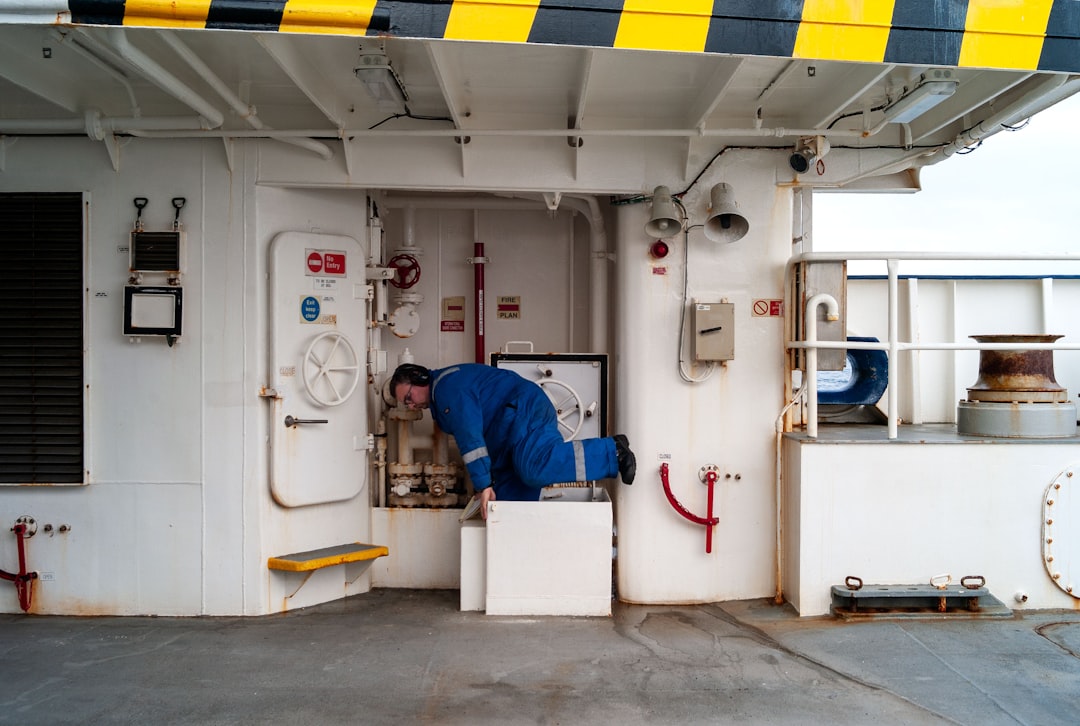
For vessels valued at $250,000 and above, maintenance must go beyond aesthetics. Technical systems require specialized attention to satisfy both safety requirements and insurance survey standards. Our approach to yacht maintenance is systematic and thorough, ensuring every critical component is regularly inspected and serviced.
- Hull and Underwater Gear: We prioritize regular haul-outs for comprehensive bottom painting and inspection of zinc anodes. These anodes are crucial for preventing galvanic corrosion, a silent destroyer of underwater metals. Beyond corrosion, we meticulously check for any signs of blistering, delamination, or structural fatigue that could compromise hull integrity. Proper maintenance here is vital to both performance and safety, directly affecting the vessel’s seaworthiness and insurability.
- Propulsion Systems: The heart of any yacht, propulsion systems demand rigorous attention. Our protocols include scheduled oil analysis for engines and transmissions to detect early signs of internal wear or contamination. We also conduct cooling system pressure tests to identify leaks or inefficiencies before they lead to overheating and catastrophic failure. Regular inspections of fuel lines, filters, and exhaust systems are also essential to prevent fire hazards and ensure reliable operation.
- Electrical Systems: Modern yachts are complex networks of electrical systems. We employ thermal imaging of electrical panels and critical connections to detect hot spots that could indicate loose connections, overloaded circuits, or impending component failure. These hot spots are significant fire risks. Additionally, we ensure all wiring is properly secured, insulated, and protected from moisture, in accordance with ABYC standards, to prevent electrical shorts and system malfunctions.
- Safety Equipment: The operational readiness of safety equipment is non-negotiable. Our regimen includes documented testing of bilge pumps and high-water alarms to ensure they activate correctly in an emergency. Fire suppression systems, including fixed systems in engine rooms and portable extinguishers, are regularly inspected, serviced, and certified. We also ensure life rafts, EPIRBs, and other emergency gear are up to date and easily accessible, maintaining a log of all inspections and service dates.
Risk Management Strategies for Coastal Navigation and Storage
Operating a vessel along the Gulf Coast or the Eastern Seaboard introduces specific environmental risks, most notably tropical storms and high-traffic waterways. Fort Myers, situated in Southwest Florida, is particularly susceptible to these challenges, making robust risk management strategies indispensable for vessel owners. Our focus is on proactive measures that safeguard our investment against the unpredictable nature of these environments.
A critical component of our strategy, especially in hurricane-prone regions like Fort Myers, is having a formal, written hurricane plan. This plan is not merely a suggestion; it is often a prerequisite for comprehensive insurance coverage. It details where the vessel will be moved (e.g., to a designated hurricane-safe marina, hauled out and secured on land, or relocated inland), how it will be secured using appropriate tie-downs and storm anchors, and clearly outlines who is responsible for executing each step of the plan.
This level of preparedness demonstrates due diligence to insurers and can significantly mitigate potential damage. We often consult with local marine insurance providers for Fort Myers boat owners to ensure our hurricane plan meets specific regional requirements and best practices.
Furthermore, we assess the security of our storage locations. Whether docked at a marina or kept on a lift, we consider factors such as exposure to storm surge, wind protection, and the presence of anti-theft measures. For vessels frequently navigating busy channels or open waters, we emphasize adherence to navigational rules, proper watchkeeping, and the use of modern navigation equipment to reduce the risk of collisions.
Understanding the unique challenges of boating in Florida, including its status as the boating capital of the U.S. and crowded waterways, requires heightened awareness and preparedness. Engaging with a dedicated Florida boat insurance specialist can provide invaluable insights into regional risks and tailored coverage options.
Understanding Liability and Hull Coverage Nuances
Yacht insurance is typically structured around two primary pillars: Hull Coverage (Physical Damage) and Protection and Indemnity (Liability). Understanding the nuances between these can prevent significant financial exposure and ensure we have the right level of protection for our specific boating lifestyle.
Hull coverage protects the physical structure of our vessel, including its machinery and equipment. Within hull coverage, we encounter key distinctions such as “Agreed Value” versus “Actual Cash Value” policies. This choice has substantial implications, particularly in the event of a total loss.
Feature Agreed Value Policy Actual Cash Value Policy
Total Loss Payout: The amount stated on the policy page, agreed upon at the policy’s inception. Market value at the time of loss, after depreciation.
Depreciation is generally not applied to partial losses, meaning repairs are paid for new-for-old. Applied to most replacement parts and the vessel’s value, reducing payout.
Suitability Recommended for high-value yachts and newer vessels where owners want predictable payouts. Often used for older or lower-value boats where the owner accepts depreciation. For high-value vessels, we almost invariably opt for Agreed Value policies. This ensures that, in the unfortunate event of a total loss, we receive the predetermined amount, providing financial certainty rather than a depreciated payout.
Beyond the hull, liability coverage, often referred to as Protection and Indemnity (P&I), is equally critical. This covers our legal obligations to third parties for bodily injury or property damage caused by our vessel. If we frequently host guests on board or employ a professional crew, our liability limits and guest medical coverage should reflect those specific risks. High-traffic areas, such as the waters around Fort Myers, increase the likelihood of interactions with other vessels, making robust liability coverage a wise investment.
We meticulously review our P&I limits to ensure they adequately protect our assets in the event of a serious incident, given that Florida boat insurance is among the most expensive in the country, with premiums ranging from 1% to 4% of hull value in South Florida. This reflects the significant risks and potential liabilities involved.
Frequently Asked Questions about Marine Risk Management
When it comes to managing the risks associated with high-value vessel ownership, several questions commonly arise. We aim to provide clear, informed answers to help you navigate these complexities.
How often should a yacht survey be performed for insurance purposes?
For most carriers, a professional yacht survey, specifically a Condition and Valuation (C&V) survey, is typically required every three to five years for vessels over a certain age or value. The exact frequency can vary based on the insurer and the vessel’s age, type, and value. This survey helps the underwriter assess the vessel’s current risk, ensuring it meets safety standards, is structurally sound, and is accurately valued. It’s a critical tool for both the insurer and the owner to understand the vessel’s condition.
Does marine insurance cover personal belongings on the boat?
Yes, coverage for personal effects, such as fishing gear, high-end electronics, water sports equipment, or clothing, is often included in a comprehensive marine insurance policy. However, it is crucial to review the policy carefully, as these items typically have specific sub-limits.
For instance, a policy might offer $10,000 in personal effects coverage but limit it to $1,000 per item. If we have particularly valuable items on board, such as specialized fishing equipment or bespoke navigation tools, it is important to ensure that the sub-limits reflect their actual value. In some cases, a separate rider or endorsement may be needed to adequately cover high-value personal property.
What is uninsured boater coverage, and why is it recommended?
Uninsured boater coverage may provide protection if you are involved in an accident with another vessel that lacks adequate liability insurance. In the event of a collision where the at-fault party is uninsured or underinsured, this coverage can help cover damages to your vessel, medical expenses, and other losses that would otherwise fall to you.
Given the high volume of traffic in coastal waters, especially around popular boating destinations like Fort Myers, the risk of encountering an uninsured or underinsured boater is significant. This makes uninsured boater coverage a frequently recommended endorsement to protect your financial interests and ensure peace of mind on crowded waterways.
Conclusion
Effective vessel ownership requires a delicate balance of technical diligence and acute risk awareness. By maintaining rigorous maintenance standards, meticulously documenting our vessel’s upkeep, and understanding the specific language and nuances of our marine insurance policy, we can navigate the complexities of the marine environment with greater confidence. This integrated approach not only safeguards our significant investment but also enhances the safety and longevity of our cherished vessel.
If you are managing a high-value vessel, particularly one operating in the dynamic waters of Fort Myers, and wish to ensure your coverage aligns precisely with your maintenance efforts and risk profile, a professional review of your current risk management strategy may be a prudent next step.
We believe that proactive management and tailored insurance are the cornerstones of responsible and enjoyable yacht ownership.
