
Key Takeaways
- Electrical engineering services are essential for modern infrastructure development.
- Integration of renewable energy and smart grid technologies improves efficiency and sustainability.
- Advances in AI and IoT are changing electrical systems.
- Collaboration between industry leaders drives new ideas in electrical infrastructure.
As cities expand and technology advances, electrical engineering services matter more in the design and operation of today’s infrastructure. From renewable energy integration to intelligent automation, electrical engineering services help make modern developments efficient, sustainable, and resilient. People in this field introduce and support the technologies behind smart grids, data centers, and large renewable energy projects, building the base for tomorrow’s urban environments.
Electrical engineering services do far more than basic power distribution. Their reach extends from reducing carbon footprints to improving the reliability of the energy systems people depend on every day.
Working closely with industry partners, engineers take on hard problems: integrating renewables, deploying advanced grid controls, and using predictive analytics. Adopting these technologies is basic for communities that want to meet modern demands while staying environmentally responsible.
That work calls for rigorous design principles, careful attention to safety, and a forward-looking strategy. Change across critical infrastructure is possible because electrical engineers pair deep technical knowledge with artificial intelligence and the Internet of Things (IoT). This combination brings efficiency and safety along with adaptability and long-term sustainability, for public and private projects alike.
Some projects show how electrical engineering services contribute directly to a stronger, more sustainable national grid. Smart grid infrastructure is also reshaping how electricity is generated, managed, and consumed, giving communities more control and resilience.

Renewable energy integration
The move toward renewable sources such as solar and wind demands sophisticated solutions from electrical engineers. Bringing these intermittent sources onto legacy grids is technically difficult and needs advanced monitoring and control.
The SunZia Transmission and Wind Project, for example, is a milestone in connecting a 3.5-gigawatt wind farm to key regions across the U.S. Southwest. It widens access to clean energy and sets a precedent for future multi-state grid integration projects. Leading engineering firms show the strategic design and coordination needed to keep reliability and efficiency at this scale.
Smart grid technologies
Smart grids are central to managing the increasingly dynamic demands on electrical infrastructure. They use sensors, automation, and communication networks to optimize real-time energy distribution and resilience.
The UCLA Smart Grid Energy Research Center is a key innovator here, developing solutions for microgrids, demand response, and electric vehicle integration. With smart grids, utilities can detect faults automatically, allocate resources more efficiently, and help consumers and industries manage energy use.
AI and IoT in electrical systems
Artificial intelligence and the Internet of Things (IoT) are changing how electrical systems are designed, monitored, and maintained. AI-driven design tools let engineers predict and fix performance issues before they cause costly downtime or repairs.
IoT devices, such as smart sensors, allow detailed monitoring of everything from residential energy use to industrial machinery, which supports predictive maintenance, real-time analytics, and dynamic energy optimization. As these technologies develop, demand is rising fast for people who can bridge traditional electrical engineering with advanced digital skills.
Collaborative innovations
Teamwork among top industry players produces the electric infrastructure that modern computing and business need. In one example, ABB and Applied Digital jointly engineered the electrical backbone for a 400 MW data center campus in North Dakota.
Using ABB’s HiPerGuard medium-voltage uninterruptible power supply, they set a new standard of reliability for mission-critical operations, pairing energy efficiency with advanced protection systems.
Power systems design and distribution architecture
Every infrastructure electrical service starts with the design of a reliable, scalable power distribution architecture. For large facilities, this usually involves medium-voltage switchgear, transformer substations, automatic transfer switching, and carefully coordinated protection schemes. The basic goal, uninterrupted and safe delivery of power at the point of use, is simple to state and very hard to execute.
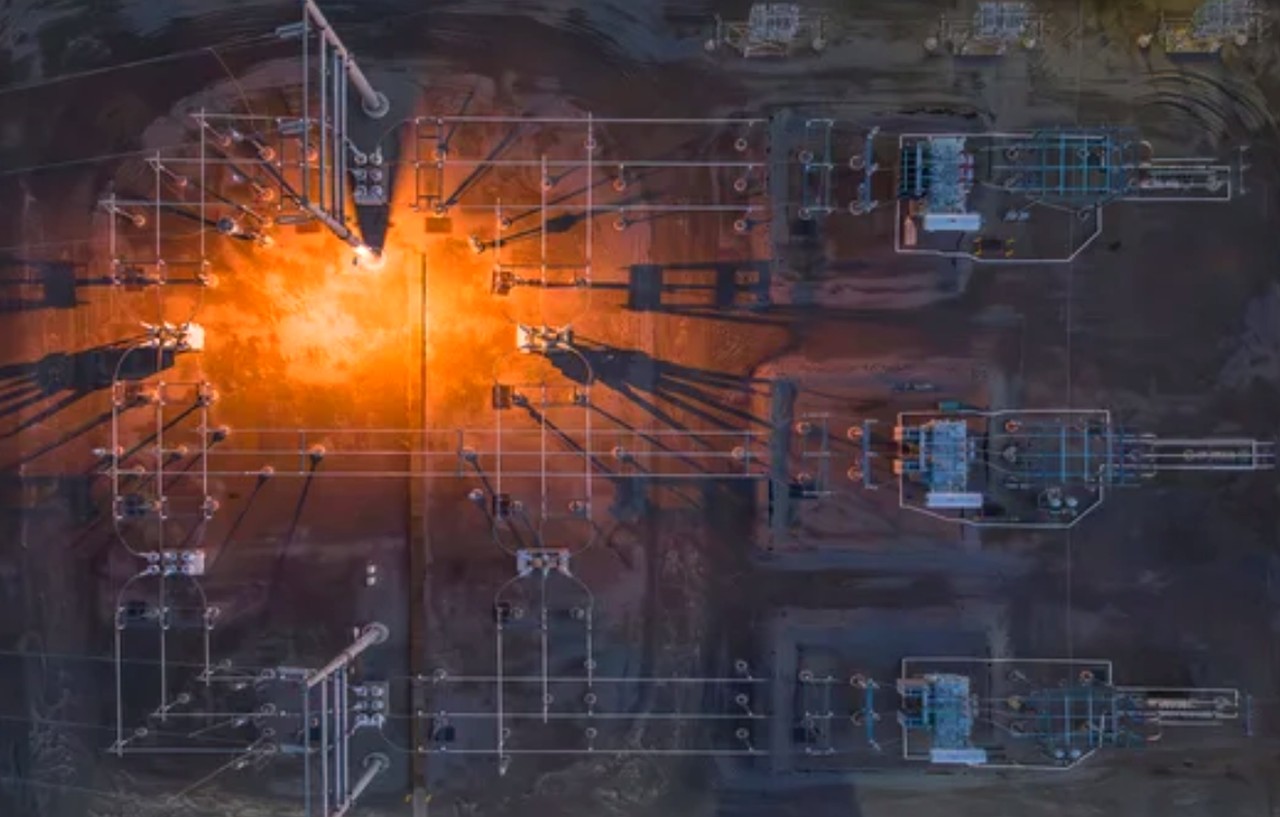
Short-circuit analysis, load flow studies, and harmonic assessment are the main analytical tools used to validate distribution designs before construction. These studies have to anticipate not just present demand but future expansion, since infrastructure assets are usually designed for operational lifespans of thirty to sixty years. Failing to plan for growth at the design stage leads to costly retrofitting or, at worst, premature obsolescence of critical systems.
Protection coordination is one part of distribution design that deserves particular attention. Selective coordination of overcurrent protection devices isolates a fault at any point in the system with minimal disruption to upstream loads. In facilities where continuity of supply is safety-critical, such as intensive care units, air traffic control centres, and nuclear cooling systems, the tolerance for miscoordination is effectively zero. The engineering discipline required to achieve this is substantial, and its absence has contributed to catastrophic incidents across many industries.
Smart infrastructure and intelligent electrical systems

Pairing electrical engineering with digital communication technology has produced the intelligent building and the smart grid. Building Energy Management Systems (BEMS), substation automation, power quality monitoring, and demand-response interfaces all rely on connecting electrical infrastructure with data acquisition and control platforms.
That connection asks electrical engineers to work directly with communication protocols, cybersecurity principles, and data analytics, areas that historically sat outside the core engineering curriculum. Smart metering at the infrastructure level, paired with advanced analytics, allows real-time optimisation of energy consumption.
Load disaggregation algorithms can spot wasteful consumption patterns, predict equipment failure from electrical signature deviations, and automate responses to grid pricing signals. The operational and financial benefits of such systems are well documented, but achieving them depends on engineering teams that can bridge the traditional divide between electrical and information technology.
At the city scale, smart grid deployment is gradually redefining the relationship between infrastructure operators and end users. Bidirectional power flows, enabled by distributed generation and vehicle-to-grid (V2G) technologies, are replacing the one-directional supply model that networks have used since they began.
For electrical engineers, this shift asks for both technical innovation and a rethinking of the regulatory and commercial frameworks they work within.
Future trends
The next decade will turn on how well the industry adapts to smart grids, renewable integration, and digital change. With sensor-equipped, IoT-enabled networks, future power systems will optimize energy use and report or adapt to outages and peak demands on their own.
Advanced electrical design increasingly accounts for sustainability, resilience, and cybersecurity, with engineers ready to integrate renewables alongside legacy systems.
According to Shaw Engineering, emerging trends include more automation, a greater focus on storage technology, and closer collaboration on projects so cities stay adaptable in the face of both natural and human-driven challenges.
Electrical engineering services are helping communities and industries move toward more efficient, sustainable, and intelligent infrastructure. Through practical use of these technologies and collaborative problem-solving, the profession handles today’s challenges and prepares the ground for reliable, resilient systems ahead.
