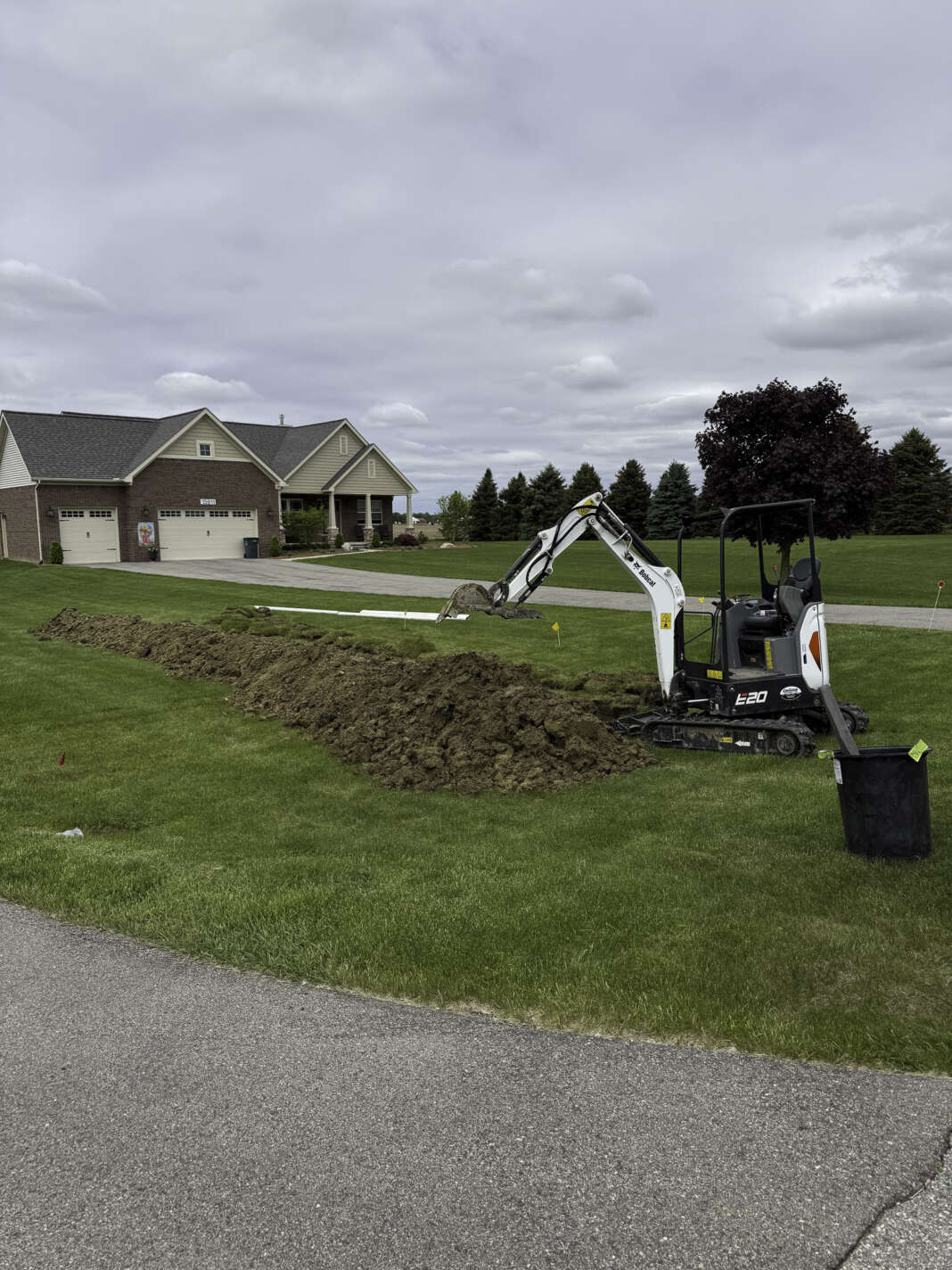
Interior basement waterproofing is the practice of managing water that has already penetrated the building envelope, redirecting it by controlled drainage channels before it can damage the basement space. Rather than stopping water at the exterior wall, an interior system accepts that hydrostatic pressure will force moisture through foundation walls and floor joints, and provides an engineered pathway for that water to reach a sump pit where it is pumped away from the structure.
Basement moisture intrusion remains one of the most pervasive pathologies in below-grade residential and commercial construction. Hydrostatic pressure, capillary rise, and vapour diffusion through concrete and masonry walls constitute the primary transport mechanisms by which water penetrates subterranean enclosures (Lstiburek & Carmody, 1994).
While exterior waterproofing — applied to the positive (soil-facing) side of the foundation — is widely regarded as the first line of defence, interior waterproofing systems offer a pragmatic remediation strategy for existing structures where excavation is economically or physically impracticable.
This approach has become the most commonly installed waterproofing method in Southeast Michigan, and for good reason: it is effective, economical, minimally disruptive, and can be installed year-round regardless of weather conditions.
Mansour’s Innovations has made interior waterproofing the foundation of its service offering. The company’s interior waterproofing system includes French drain installation along the interior perimeter of the basement floor, gravel bedding for proper water flow, a professionally sized sump pit, primary and battery backup sump pumps, vapor barrier installation to manage wall and floor moisture, and crack sealing using polyurethane or epoxy injection.
The system is designed as an integrated assembly where each component supports the others, rather than a collection of individual fixes applied independently.
The process follows a five-step documented sequence: inspection and assessment, custom plan design adapted to the specific basement layout and water entry patterns, excavation and preparation of the perimeter trench, system installation including drainage channels, pit, pump, and vapor barriers, and finally comprehensive testing with quality checks before the project is considered complete. This structured method provides consistency across projects and provides the homeowner with clear expectations at each stage of the work.
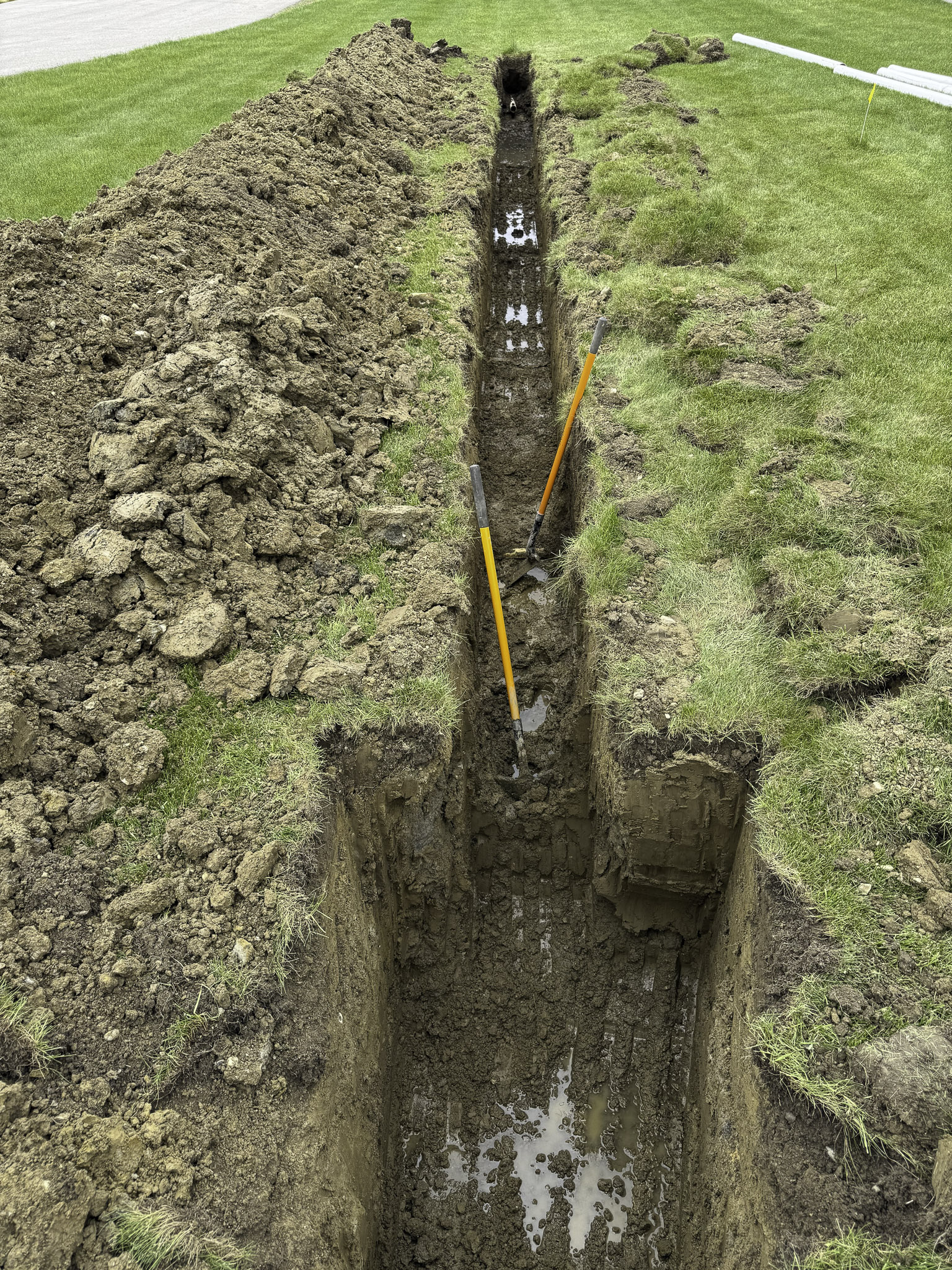
When Interior Waterproofing Is the Right Choice
Interior waterproofing is generally the more practical solution in several common Michigan scenarios. Homes with close property lines, where excavation around the foundation would encroach on neighboring properties, are natural candidates for interior systems. Homes with finished landscaping, mature trees, patios, decks, or driveways adjacent to the foundation wall present similar constraints, because exterior waterproofing would require removing and later replacing these features at high additional cost. Michigan winters, when ground frost can extend several feet below grade, make exterior excavation impractical for much of the year, whereas interior systems can be installed year-round.
The cost advantage of interior waterproofing is meaningful. According to Mansour’s Innovations, basement waterproofing costs in the Southeast Michigan market typically range from $3,000 to $15,000, depending on the scope, size, and method. Interior systems generally fall at the lower end of this range compared to exterior excavation and membrane application. For homeowners on a budget or those managing multiple home maintenance priorities simultaneously, the interior approach delivers reliable water management at a more accessible price point.
We asked our team to walk us through the full interior waterproofing process, step by step. Here is exactly what happens from the moment you schedule your free inspection:
Here’s our exact process for interior basement waterproofing in Michigan, step by step:
- Free on-site inspection: We check walls, floors, cracks, grading, and water sources — no pressure, just honest assessment.
- Break out the perimeter floor: We cut and remove a narrow trench along the inside base of the foundation walls, down to below the footer level. Install a perforated drain tile within a bed of washed gravel, ensuring the pipe is wrapped to prevent dirt and debris from entering. This setup effectively collects water seeping through walls or floors.
- Add wall flashing and seal: We install a dimpled membrane or flange along the bottom of the walls to direct any seepage straight into the drain. Install a heavy-duty sump pump with battery backup in a pit at the lowest point of the basement. Route the discharge line away from the foundation to ensure effective water removal, which is especially important in Michigan due to frequent power outages.
- Pour new concrete: Backfill the trench with fresh concrete so the floor looks normal again.
- Last Check and Cleanup: We do a final test of everything and make sure to leave the basement spotless.
In Michigan, interior drainage systems are designed to address challenges posed by clay soil and high water tables. These systems collect water entering the basement and channel it by gravity to a sump pit, where it is pumped outside before causing damage. This approach is effective against freeze-thaw cycles and typically installs within a few days. Each system includes a 25-year transferable warranty.
Mansour’s is transparent about what interior waterproofing does and does not accomplish. The company’s own documentation acknowledges that interior systems manage water that enters rather than preventing entry.
This distinction matters for homeowners who expect a permanent seal. An interior system requires a functioning sump pump with a reliable power backup, periodic maintenance checks on the pump and float switch, and periodic inspection of the drainage channels to make sure they remain clear. The honesty of this framing creates trust and prevents buyer’s remorse after the job is done.
Most interior waterproofing projects completed by Mansour’s wrap up in two to three days, reducing disruption to the household. The work is confined to the basement interior, meaning the exterior of the home, the yard, and the landscaping are unaffected. For homeowners who need a functional solution quickly, especially those dealing with an active water problem during a wet season, the short project schedule is a significant practical advantage.
Mechanisms of Moisture Ingress
Concrete, despite its apparent solidity, is an inherently porous material. Its capillary network permits liquid water migration under differential pressure gradients, a phenomenon well characterised in the cement science literature (Mehta & Monteiro, 2014).
In basement environments, the hydraulic head exerted by saturated soil against foundation walls generates positive hydrostatic pressure, forcing water through cracks, cold joints, and the wall–footing interface. Simultaneously, water vapour diffuses through intact concrete driven by differences in relative humidity between the soil mass and the interior environment (Straube & Burnett, 2005).
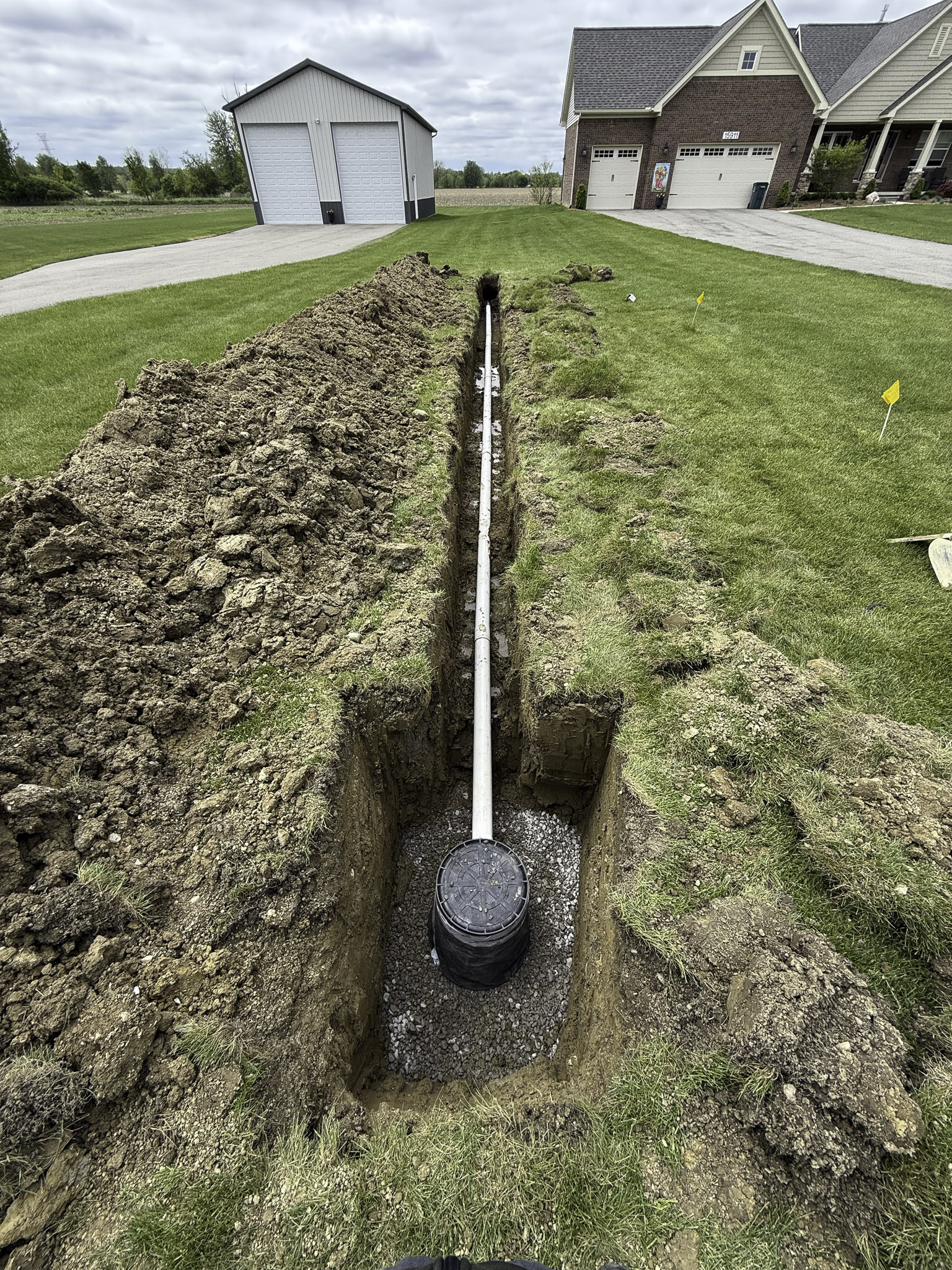
Interior Waterproofing Strategies
Interior approaches operate on the negative (conditioned-space) side of the foundation and generally fall into three categories: cementitious coatings, membrane barriers, and drainage-based systems.
Cementitious crystalline coatings penetrate the concrete pore structure and form insoluble calcium silicate hydrate crystals upon contact with moisture, effectively self-sealing micro-cracks up to approximately 0.4 mm in width. Their efficacy has been documented in accelerated permeability testing under sustained hydrostatic pressure (Al-Kheetan et al., 2018).
Materials, Warranty, and Long-Term Performance
The materials used in Mansour’s interior waterproofing installations are professional-grade products from recognized manufacturers. Sump pumps are sourced from established brands, and the company installs battery backup systems that operate during power outages, which is the exact scenario when backup protection matters most.
Michigan’s severe thunderstorms frequently knock out power while delivering heavy rainfall, creating peak basement water entry. A sump pump without backup power protection fails precisely when it is needed most.
Vapor barriers installed as part of the interior system manage wall and floor moisture that would otherwise contribute to elevated humidity, condensation, and mold growth in the basement space. In Michigan’s climate, where the temperature differential between the cool basement and warm summer air creates conditions for condensation for several months each year, vapor barriers serve a year-round function beyond the seasonal water-management role of the drainage system itself.
Crack sealing is integrated into the interior waterproofing service using polyurethane or epoxy injection, depending on the nature of the crack. Polyurethane is the standard choice for waterproofing applications because it remains flexible after curing, accommodating minor foundation movements caused by seasonal soil changes.
Epoxy is used when structural bonding is needed. The injection process fills fissures through the full thickness of the wall rather than sealing only the visible interior surface, which is why it outperforms surface patching approaches that frequently fail within a season or two.
Sheet and liquid-applied membranes, typically elastomeric polyurethane or modified bituminous compounds, create a continuous vapour-impermeable barrier on the interior wall surface. While effective at arresting vapour diffusion, these systems do not relieve hydrostatic pressure and may be subject to delamination if water accumulates behind the membrane (Kubal, 2008).
Interior French drain systems represent the most comprehensive interior intervention. A perimeter channel is cut into the basement slab along the wall–floor joint, lined with perforated drainage pipe bedded in washed aggregate, and connected to a sump pit equipped with a mechanical pump. This configuration intercepts water at the point of entry and redirects it before it reaches the occupied space. The approach effectively manages hydrostatic pressure rather than resisting it — a distinction that has significant implications for long-term durability and wall structural health (Lstiburek & Carmody, 1994).
Limitations and Complementary Measures
Interior systems do not prevent moisture from entering the wall assembly itself; they manage it after penetration has occurred. Prolonged saturation of reinforced concrete can accelerate carbonation-induced corrosion of embedded steel reinforcement (Bertolini et al., 2013). Consequently, best practice recommends coupling interior drainage with dehumidification, vapour-retarding wall finishes, and, where feasible, exterior grading corrections to reduce hydraulic loading.
The 25-year transferable warranty that Mansour’s applies to its interior waterproofing work is a meaningful commitment. For interior systems specifically, the warranty matters because French drains and sump pits are permanent modifications to the basement floor. A homeowner who sells the property five or fifteen years after installation needs to demonstrate that the waterproofing work was performed to a standard that someone else will stand behind. The transferable warranty provides exactly that assurance, and it is a concrete asset during real estate negotiations.
Mansour’s Innovations has completed hundreds of interior waterproofing projects across its service area, with documented customer testimonials describing specific scenarios in cities such as Sterling Heights, Clinton Township, Troy, Royal Oak, and others. These testimonials consistently reference professional execution, on-time performance, and effective water management, providing a credible track record for homeowners evaluating the service.
References
- Al-Kheetan, M.J., Rahman, M.M., & Chamberlain, D.A. (2018). Development of hydrophobic concrete by adding dual-crystalline admixture at mixing stage. Structural Concrete, 19(5), 1504–1511.
- Bertolini, L., Elsener, B., Pedeferri, P., Redaelli, E., & Polder, R.B. (2013). Corrosion of Steel in Concrete: Prevention, Diagnosis, Repair (2nd ed.). Wiley-VCH.
- Kubal, M.T. (2008). Construction Waterproofing Handbook (2nd ed.). McGraw-Hill.
- Lstiburek, J.W., & Carmody, J. (1994). Moisture Control Handbook: Principles and Practices for Residential and Small Commercial Buildings. Wiley.
- Mehta, P.K., & Monteiro, P.J.M. (2014). Concrete: Microstructure, Properties, and Materials (4th ed.). McGraw-Hill.
- Straube, J.F., & Burnett, E.F.P. (2005). Building Science for Building Enclosures. Building Science Press.
