
Selling a home is often one of the biggest financial transactions in a person’s life, a major investment and an emotional shift at the same time. The process is rarely simple. From preparing a property for the market to closing the final deal, sellers run into plenty of complicated problems. Getting through them takes a good read on the market, some flexibility, and access to the right help.
Knowing the common hurdles ahead of time and acting early can be the difference between a smooth, profitable sale and a costly, stressful one. For homeowners who want to avoid unwelcome surprises or need fast answers, a professional home-buying service like Sell Home gives you options if you need to sell quickly or with little fuss. This guide covers the usual obstacles sellers meet and offers practical strategies to handle each one.
Whether you’re selling your first home or you’ve owned property for years, it helps to understand how the process actually works. Every sale is different, and while experience gives you some confidence, being ready for the unexpected lets you respond better.
When you know the common challenges and how to solve them, you can cut down on stress, make better decisions, and improve your odds of a good outcome at every stage.
Pricing strategies
Setting the right listing price is one of the hardest jobs for any seller, especially when working with trusted home buyers. Price too high and you scare off buyers, leaving the house to sit on the market and pick up a reputation that’s tough to shake.
Price too low and you may leave real money behind, which matters a lot when local markets swing. The better path is a thorough Comparative Market Analysis (CMA) done with a qualified real estate professional. A CMA looks at recent sales of similar homes in your area, weighs current conditions, and gives you evidence to decide on.
Finding that pricing sweet spot brings in more buyers, often leads to a faster sale, and puts you in a stronger spot to negotiate. Talk with your agent regularly, and adjust your approach if your first efforts aren’t working.
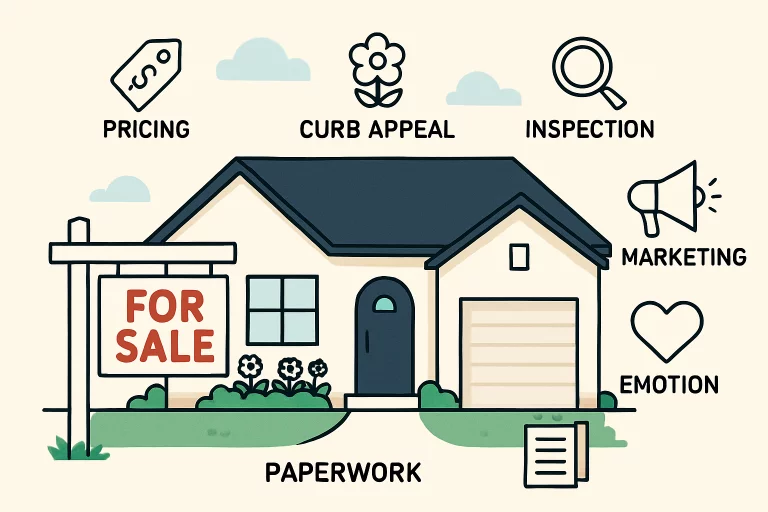
Enhancing curb appeal
First impressions matter in real estate, and a home’s curb appeal can win or lose a buyer’s interest before they ever step inside. The outside of your property is its handshake, the greeting that either draws buyers in or pushes them away.
Even small slips in landscaping or exterior upkeep can suggest bigger, more expensive problems and drag down how buyers value the home. Spend a little time and a modest budget on outdoor improvements, though, and you can lift both the look and the perceived value of your property.
Good upgrades don’t have to be costly. A clean, tidy presentation pulls buyers in and shows you take care of the place, which puts them in a positive frame of mind for the showing inside.
Navigating home inspections
One of the quickest ways to sink a sale is to ignore problems until a buyer’s inspection finds them. Inspections are standard in nearly every real estate deal, and with good reason: buyers want to know they’re making a sound investment. Sellers gain too, through smoother negotiations and fewer delays. It’s worth considering a pre-listing inspection, since finding and fixing issues early makes for a more open and less stressful sale.
Handle problems early and keep communication open, and you cut the risk of last-minute deal-breakers.
Effective marketing techniques
Marketing a property now takes more than a yard sign or a classified listing. Most buyers decide which homes to tour before they ever arrive, based on online photos, virtual tours, and how visible the listing is across different platforms. Without a solid marketing plan, even a well-priced, well-kept home can get passed over in a competitive market.
Smart, coordinated marketing brings more attention to your listing, builds interest and competition, and can produce multiple offers that push up the final price.
Managing emotional attachments
Letting go of a home is not only a financial matter; it often comes loaded with memories and milestones. Many homeowners let that sentiment cloud their judgment, which makes it harder to see the property clearly.
That can lead to overpricing, skipping needed repairs, or brushing off fair feedback. Accepting that selling a home takes a business mindset is what lets you negotiate and make decisions with a clear head.
A more detached, businesslike approach helps you treat feedback, negotiation results, and even criticism as tools for a successful sale, not attacks on cherished memories.
Legal and paperwork considerations
For many sellers, the pile of technical paperwork and legal responsibility is the most intimidating part. Every form, disclosure, and contract carries real weight, since errors or omissions can put the sale, and possibly the seller, at legal risk. Prepare ahead, watch the details closely, and get professional guidance to avoid the mistakes that cause delays or later liability.
Being accurate and thorough here protects your interests, keeps the transfer of ownership clean, and helps your sale hold up to legal scrutiny. For detailed legal guidance, check resources like the Consumer Financial Protection Bureau’s Home Selling Guide and the National Association of Realtors’ Seller Resources.
Deal with these challenges early, from pricing and presentation to inspections, marketing, emotions, and legal paperwork, and you improve your chances of a successful sale while cutting risk and stress along the way. Preparation, steady attention to the market, and professional support are what carry sellers through.
