
Glass craftsmanship has evolved dramatically over the centuries. What began as a practical craft for creating containers and household items has developed into a sophisticated art form that blends design, engineering, and artistic expression. Today, glass artisans and manufacturers create a wide range of lifestyle accessories that demonstrate both technical precision and creative design.
Modern glass products often combine traditional techniques with advanced manufacturing technologies. These innovations allow designers to produce items that are visually striking while maintaining durability and functionality. As a result, glass craftsmanship has become an important part of contemporary design across many industries, including home décor, lighting, and specialized lifestyle accessories.
The Evolution of Glassmaking Techniques
The history of glassmaking stretches back thousands of years. Early civilizations discovered that heating certain minerals at high temperatures could produce a translucent material that could be shaped while molten. Over time, artisans developed techniques such as glassblowing, molding, and cutting to create more complex objects.
Glassblowing, in particular, played a major role in shaping decorative and functional glass products. By using a hollow tube to inflate molten glass, artisans could form delicate shapes and intricate structures. These techniques laid the foundation for modern glass artistry.
Today, contemporary studios often combine traditional glassblowing with modern equipment that allows for greater precision and consistency in production.
Glass as Both Art and Function
Modern glass design frequently balances aesthetic appeal with everyday functionality. Designers experiment with thickness, color, transparency, and shape to create pieces that are both visually interesting and practical to use.
Glass products used in lifestyle settings often demonstrate this balance. Items may feature sculptural forms or decorative accents while still serving a functional role. In some cases, glass artisans focus on creating pieces that highlight clarity, symmetry, and smooth finishes.
Collectors and enthusiasts often appreciate these objects not only for their purpose but also for the craftsmanship involved in their creation.
Craftsmanship in Specialty Glass Products
Some glass products require especially careful craftsmanship due to their structure and scale. Larger glass designs, for example, must maintain structural balance while still preserving visual elegance.
In certain specialty product categories, manufacturers experiment with larger designs such as 16 inch bongs that emphasize both durability and detailed glasswork. In these cases, the size and structure of the piece require precise temperature control and shaping techniques to ensure the finished product remains stable and functional.
While these items represent a specific niche of glass production, they demonstrate the technical skill required to produce larger glass structures without compromising clarity or strength.
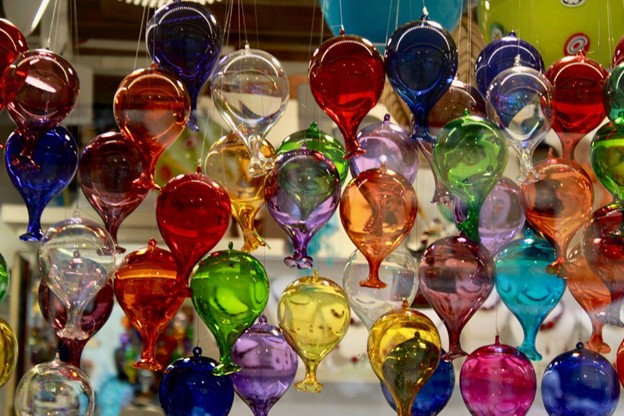
Innovation in Modern Glass Design
Photo by eze cmf on Unsplash
Advancements in glass production have introduced new possibilities for designers. Modern manufacturing techniques allow for improved consistency, stronger materials, and more complex shapes than were previously possible.
Designers now incorporate features such as layered glass structures, decorative color gradients, and intricate internal patterns. These techniques allow glass objects to function as both accessories and artistic displays.
Glass studios frequently experiment with these innovations to create distinctive products that stand out in modern design markets.
Glass Accessories and Lifestyle Trends
Glass craftsmanship has also influenced broader lifestyle trends. Many contemporary accessories incorporate glass elements because of the material’s versatility and aesthetic appeal.
Transparent materials can create a sense of minimalism and modernity in product design. Glass surfaces reflect light in unique ways, adding visual interest without overwhelming surrounding elements.
These characteristics make glass popular in both decorative objects and everyday accessories used in homes and personal environments.
The Role of Wellness Brands in Lifestyle Markets
Alongside design trends, wellness-focused brands have also influenced modern lifestyle products. Companies that focus on wellness or plant-based products often operate in markets where design, packaging, and product presentation play an important role.
Some brands, such as Medterra, operate in sectors focused on hemp-derived wellness products and related lifestyle goods. In these markets, product design and presentation often intersect with broader trends in wellness, minimalism, and modern aesthetics.
Although the industries may differ, both glass craftsmanship and wellness branding demonstrate how design can influence consumer experiences.
The Importance of Skilled Glass Artisans
Despite technological advancements, glassmaking remains a craft that relies heavily on skilled artisans. Working with molten glass requires precise timing, steady control, and an understanding of how the material behaves under heat.
Glass artists must manage temperature changes carefully to prevent cracking or distortion. Even small design adjustments require careful coordination between heating, shaping, and cooling stages.
Because of this complexity, glass craftsmanship continues to be respected as both a technical skill and an artistic discipline.
Glass Craft as a Cultural Tradition
Glassmaking traditions have been preserved in many parts of the world, with different regions developing distinctive styles and techniques. From Venetian glass in Italy to contemporary studio glass movements, artisans continue to push the boundaries of what can be achieved with this material.
Institutions such as the Corning Museum of Glass document the history of glass production and showcase how techniques have evolved over time. Their research highlights the importance of craftsmanship, innovation, and artistic experimentation in shaping modern glass design.
The Future of Glass Lifestyle Accessories
As design trends continue to evolve, glass craftsmanship will likely remain an important part of modern lifestyle products. Designers are exploring new materials, improved production technologies, and sustainable practices that reduce environmental impact while preserving artistic quality.
From decorative objects to specialized accessories, glass continues to offer a unique combination of beauty, transparency, and structural strength. The craft’s long history and ongoing innovation demonstrate how traditional techniques can adapt to modern design demands while maintaining the artistic spirit that has defined glassmaking for centuries.
