Key Takeaways
- Tamper-proof fasteners are essential for safeguarding critical equipment in a wide range of industries.
- Recent innovations focus on unique drive mechanisms, advanced material compositions, and smart sensor integration to enhance security.
- Choosing the right fastener involves balancing robust security with accessibility for maintenance.
- Next-generation tamper-proof fasteners will be shaped by ongoing advances in material science and IoT technologies.
Ensuring the integrity and safety of equipment, structures, and public installations often relies on the effectiveness of fasteners. Traditional screws and bolts, while essential, can be vulnerable to tampering, theft, or accidental loosening.
In response, the engineering and manufacturing sectors have increasingly turned to tamper-resistant solutions that combine precision design with innovative materials. These fasteners are engineered to deter unauthorized access while maintaining the strength and reliability necessary for industrial, commercial, and residential applications.
Companies like Bryce Fastener are contributing to this evolution by offering a range of secure fastening solutions that emphasize both functionality and security. By incorporating unique head designs, specialized locking mechanisms, and advanced materials, modern fasteners provide a balance between usability for authorized personnel and resistance to tampering.
As security challenges grow more complex, adopting these approaches ensures that critical components remain safe, stable, and reliable over the long term.
Advancements in Fastener Design
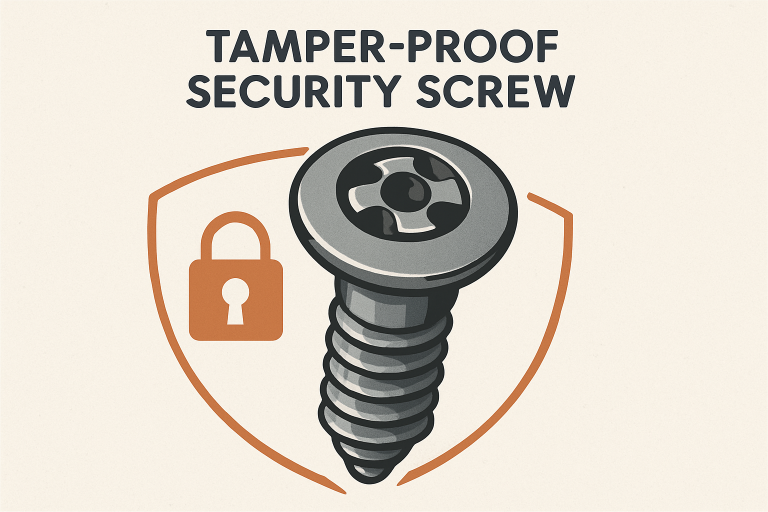
Fastener design has recently evolved to prioritize security, with specialized drive mechanisms that limit access to authorized tools. Tamper proof screws and proprietary recess patterns require unique tools for installation and removal, making forced entry difficult and preventing damage from counterfeit or generic tools.
These innovations are increasingly adopted in transportation, utilities, and infrastructure to protect against vandalism and theft.
High-security environments, including law enforcement facilities and sensitive industrial zones, also benefit, as these fasteners slow down unauthorized tampering. Customizable fastener head shapes allow organizations to select security levels ranging from medium to maximum, depending on the potential risk.
By combining accessibility for authorized users with resistance to interference, modern tamper-proof fasteners are helping maintain safety, integrity, and operational reliability across diverse applications.
Enhanced Material Science
Material selection has become just as important as drive design. Next-generation tamper-proof fasteners benefit from advanced alloys and surface treatments. The use of ultra-hardened steel alloys, corrosion-resistant stainless steel, and even ceramic elements makes cutting, drilling, or otherwise compromising the fastener extremely difficult.
For applications exposed to outdoor elements or corrosive environments, these materials ensure long-term reliability and reduce the frequency of maintenance or replacement.
In addition, some innovative fasteners incorporate self-healing or color-changing coatings that immediately indicate attempts at tampering. These smart coatings provide both a deterrent effect and an audit trail, which is especially valuable in regulatory environments demanding documentation of all access events. Research into advanced composite materials continues to push the boundaries of fastener performance, making security solutions more adaptable and resilient.
Integration of Smart Technologies
The security fastener market is now integrating digital technology, broadening the definition of tamper resistance. Smart fasteners equipped with embedded sensors can detect motion, vibration, or unauthorized attempts to remove them.
When triggered, these fasteners can immediately send out alerts to a centralized security platform, providing real-time situational awareness. This capability is invaluable in sectors like logistics, electronics manufacturing, and public infrastructure, where theft or sabotage could cause widespread disruption.
Beyond mere notification, integration with the Internet of Things (IoT) means these alerts can trigger automated security responses. For example, if tampering is detected in a sensitive data center, the system could automatically activate surveillance cameras or even initiate lockdown procedures. Large organizations benefit from monitoring the status of thousands of fasteners simultaneously, thereby enhancing both physical security and operational efficiency.
Applications Across Industries
Tamper-proof security fasteners are essential across various sectors. In public transportation, they secure track systems, stations, and safety features. The automotive industry employs them to prevent theft of engine and body components. Civil infrastructure, such as bridges, cableways, and utilities, depends on these fasteners to withstand sabotage and vandalism.
Industrial environments require durable fasteners for machinery and production lines to ensure safety and prevent costly shutdowns. Urban areas use these fasteners for streetlights and perimeter barriers, especially in smart cities, where they support surveillance measures to enhance security.
Challenges and Considerations
Despite technological progress, security fasteners continue to face significant challenges. A primary concern is the potential loss of proprietary tools needed for installation or removal if these fasteners become widely available. Achieving an optimal balance between high security and ease of access is essential, particularly for maintenance crews, as overly complex systems can lead to delays or increased costs.
Decision-makers should weigh the risks of threats against the need for convenience when selecting tamper-resistant solutions. Additionally, regular updates and training are vital to ensure access remains restricted to authorized personnel.
Future Directions
The future of tamper-proof security fasteners relies on continuous innovation in materials and digital technology. Enhancements in nanomaterials, encrypted sensors, and adaptive systems will improve tampering protection. Collaboration among manufacturers, researchers, and government bodies is crucial to tackle emerging threats and ensure compliance.
As IoT adoption increases in smart city initiatives and Industry 4.0, security fasteners will also serve as physical and monitoring parts of comprehensive security systems. Staying up to date with these advancements is essential for organizations to safeguard assets and uphold trust.
Conclusion
Innovative approaches to tamper-proof security fasteners are transforming how organizations safeguard their most important assets. Through advancements in both design and materials, as well as cutting-edge digital integrations, these solutions ensure robust defense against evolving security threats.
For organizations seeking to elevate their security strategies and stay ahead of tampering risks, it is essential to keep up with the latest developments in this critical field.
