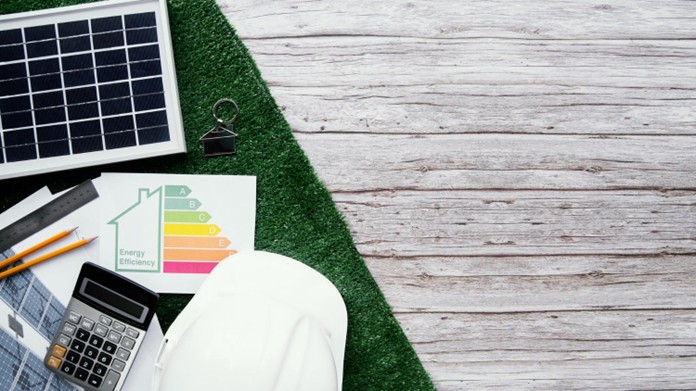
For many homeowners, improvement projects start with a simple goal: make the home nicer to live in. Maybe it’s about lowering bills, maybe it’s about clearing clutter, or maybe it’s just the desire for a space that feels calmer and more functional. What often goes unnoticed is how closely energy efficiency and organization are connected.
A well-organized home tends to waste less, less time, less space, and often less energy. Likewise, an energy-efficient home usually requires thoughtful planning, zoning, and storage. The most successful home upgrades today don’t treat these as separate goals. They combine them.
Practical improvements, the kind real people can implement step by step, are where efficiency and organization quietly meet. They don’t require a full renovation or a designer budget. They start with awareness and smart choices.
Efficiency Begins With How a Home Is Used
Energy efficiency is not only about technology. It’s also about behavior and layout. A home that is hard to navigate, cluttered, or poorly zoned often uses more energy simply because it’s inconvenient to use efficiently.
For example, when storage is disorganized, people forget what they own and buy duplicates. When closets are overstuffed, it’s harder to rotate seasonal items, which can lead to overusing heating or cooling in certain rooms. When workspaces are chaotic, devices and lights tend to stay on longer.
In contrast, a well-organized home encourages intentional use. You know where things are. You use spaces for their purpose. You waste less motion and less electricity without even thinking about it.
That’s why practical improvements often begin with small spatial decisions: decluttering a utility area, creating zones for daily activities, or rethinking how storage supports routines.
Early Upgrades That Deliver Real Returns
Homeowners sometimes assume energy upgrades must be large or expensive. In reality, some of the highest returns come from modest changes.
Sealing drafts, upgrading insulation in key areas, switching to LED lighting, and using smart thermostats are all proven ways to reduce energy consumption. These improvements also make a home feel more controlled and predictable. Rooms hold temperature better. Lighting becomes more intentional. Bills become easier to forecast.
Another growing category is small-scale renewable energy. Not every household is ready for a full rooftop solar installation, but many are exploring modular systems that provide partial independence or backup capability.
Some homeowners look into solutions like sungold power solar kits when researching energy-efficient upgrades. These types of kits can be used for supplemental power, workshops, sheds, or partial home systems, giving people a way to experiment with solar without committing to a full overhaul. For many, it’s an entry point into thinking differently about how their home consumes and generates energy.
What matters most is not chasing trends, but matching upgrades to real needs. A thoughtfully chosen small system that is used well is more valuable than a large system that is poorly integrated.
Organization as an Energy Strategy
It might sound surprising, but storage and organization influence energy use more than most people realize.
Consider the kitchen. When cabinets are overcrowded, appliances get stored in hard-to-reach places, which discourages their use and leads to reliance on less efficient alternatives. When pantry items are disorganized, food waste increases, and food waste carries its own environmental footprint.
Closets are another example. When clothing is poorly organized, people tend to overwash or overwear certain items while neglecting others. Laundry frequency rises, which increases water and energy use.
Even garages and utility rooms matter. When tools and supplies are scattered, maintenance tasks get postponed. Filters don’t get replaced on time. Small inefficiencies quietly stack up.
Good organization reduces friction. When things are visible and accessible, people make better decisions with less effort.
The Psychology of a Tidy, Efficient Home
There is also a mental dimension. Clutter competes for attention. A chaotic space can subtly increase stress and decision fatigue. When the home feels calmer, people are more likely to maintain routines that support efficiency, turning off lights, managing heating zones, and keeping up with maintenance.
In this sense, organization is not just about storage solutions; it’s about creating an environment where good habits are easier to sustain.
Many homeowners notice that once they declutter one area, they become more mindful elsewhere. They start questioning waste, excess, and inefficiency more broadly. The mindset shift often spreads from closets to energy use and beyond.
Storage That Protects What You Own
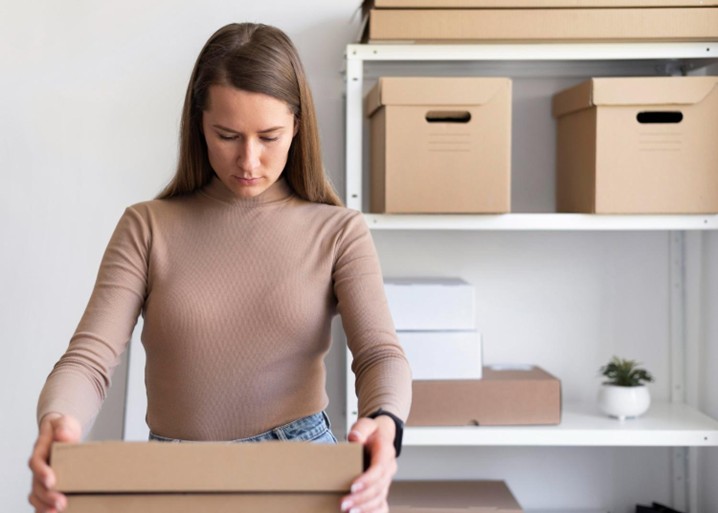
Smart organization also means protecting items so they last longer. Durability is an underrated part of sustainability. When belongings are stored well, they don’t need to be replaced as often.
This is especially true for fragile household items. Dishes, glassware, and ceramics are common examples. Many people place them in storage without much thought, only to discover chips or cracks later.
Learning practical methods, like how to store plates in a storage unit, can prevent damage, reduce waste, and save money. Proper packing, spacing, and climate awareness make a real difference. These details may seem small, but they reflect a broader principle: taking care of what you already own is one of the most sustainable choices available.
Multi-Purpose Spaces Are the Future
Modern homes increasingly need to do more with less space. Guest rooms double as offices. Garages become hobby zones. Corners turn into study nooks.
Multi-purpose spaces naturally encourage better organization because they must stay flexible. They also encourage energy efficiency. A room that serves several functions is used more intentionally and heated or cooled with purpose rather than by default.
Furniture with built-in storage, wall-mounted systems, and modular shelving can all support this approach. The goal is not minimalism for its own sake, but adaptability.
Maintenance Is Part of Improvement
Practical home improvement is not only about upgrades; it’s about upkeep. A highly efficient home that isn’t maintained will slowly lose its edge.
Cleaning vents, checking seals, rotating stored items, and reviewing what you actually use are all part of the picture. These habits keep systems working as intended and prevent small issues from becoming large ones.
The most efficient homes are rarely the flashiest. They are the ones where owners pay attention.
A Balanced Approach
It’s easy to get pulled toward extremes, ultra-high-tech upgrades or perfectly curated storage systems. But most homeowners benefit more from balance.
Start where friction exists. If bills feel high, explore efficiency. If spaces feel chaotic, improve organization. Over time, the two naturally reinforce each other.
A home that runs smoothly doesn’t happen overnight. It evolves through small, sensible improvements that align with how people actually live.
Practical home improvements are powerful because they compound. A draft sealed here, a cabinet organized there, a smarter energy choice made along the way, these steps add up.
When energy efficiency and organization are considered together, the result is a home that feels lighter to manage. Bills are lower. Spaces are calmer. Belongings last longer. Daily life flows more easily.
In the end, the goal isn’t perfection. It’s a home that supports you rather than drains you. And often, the smartest improvements are the ones that quietly make life simpler, one decision at a time.
