Key takeaways
- Maintaining your HVAC system saves energy and lowers running costs.
- Changing filters regularly and booking professional tune-ups keeps performance steady.
- Programmable thermostats and sealed air leaks add another layer of efficiency.
Why maintenance matters
Regular maintenance of your HVAC system leads to real energy savings and a more comfortable home. The Department of Energy notes that well-maintained systems run more efficiently, using less energy and cutting utility bills. If you need professional help, services like those provided for HVAC Jacksonville, FL can make the difference between a system that limps along and one that pays you back every month.
Simple actions like cleaning or replacing filters prolong the life of your equipment and head off frequent problems. Routine maintenance also flags small issues before they grow into expensive repairs. A system kept in good shape runs cleaner too, which means better indoor air quality for everyone in the house.
Easy DIY HVAC tips
Replace your air filters every one to three months to protect airflow and keep dust and allergens out of the air you breathe. Beyond the filter, a few habits go a long way:
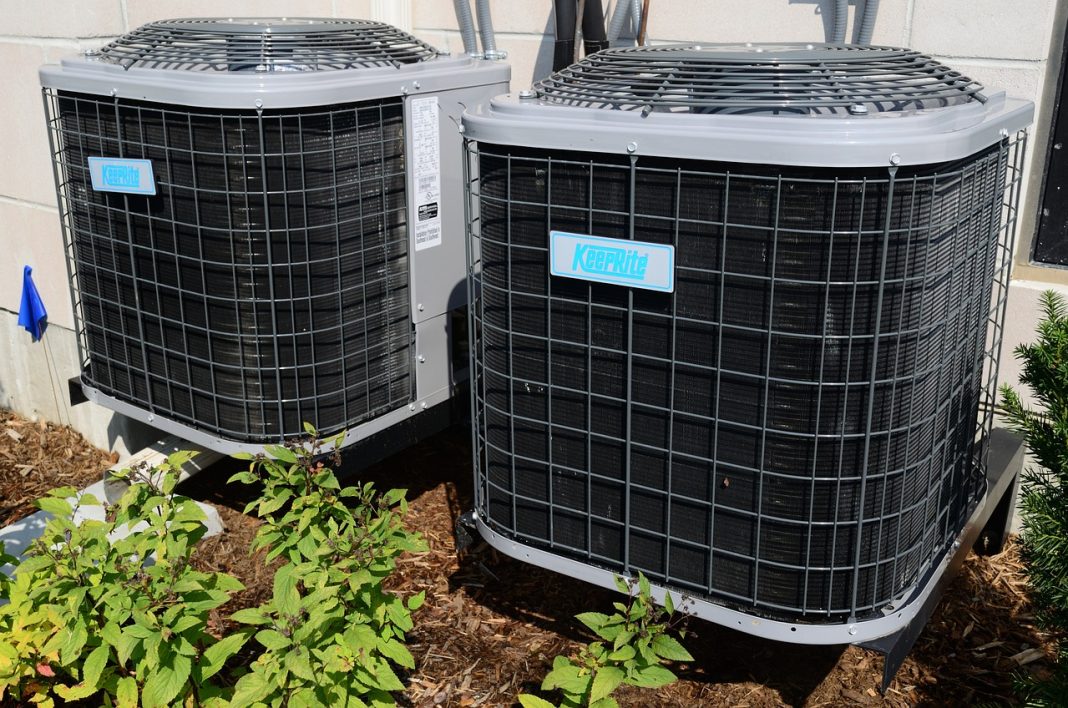
- Clear the outdoor unit of dirt, twigs, and leaves so airflow is not blocked and the unit does not overheat.
- Keep the vents clean so air circulates freely through the house.
- Check ducts for leaks and add insulation where needed, so you are not paying to heat or cool air that escapes and forces the system to work harder.
These steps produce results you can feel almost right away. Changing the air filter on schedule alone improves performance and extends the system’s life. A clean outdoor unit runs at full efficiency, unblocked vents keep airflow consistent, and a comfortable temperature holds across every room.
Finding and sealing duct leaks prevents energy loss, so the system does more with less and your bills drop. None of this requires a technician, and the payoff is quick.
Program your thermostat
Modern thermostats save a meaningful amount of electricity through their programmable settings. Match the temperature to the rhythm of your day and the system stops running flat out when nobody benefits from it.
According to Consumer Reports, a programmable thermostat can save you up to 10% a year on heating and cooling. You might set it to ease off during the day when the house is empty, or overnight while you sleep. That single change keeps the HVAC system from running at a high level around the clock.
Some newer thermostats learn your preferences and adjust on their own, which adds convenience without much thought on your part. Small settings add up to steady savings, and you lose no comfort in the trade.
Seal air leaks
Air leakage makes your HVAC system work harder than it should. Sealing the gaps around windows, doors, and ducts keeps conditioned air where you want it, steadies the indoor temperature, and reduces energy waste. Caulk or weatherstripping handles most of these spaces. Insulated drapes and door sweeps cut the loss even further.
Look at the points where vents, pipes, and electrical conduits enter the house, because leaks tend to gather there. Caulk or foam sealant covers those gaps well. The time you spend closing them raises the comfort of your home and the efficiency of the system in one move.
A tightly sealed house holds the right temperature without much effort, so the HVAC system stops working overtime and you keep more money in your pocket.
Schedule professional tune-ups
A technician catches small problems before they turn into expensive fixes. During a visit, they check refrigerant levels, test the thermostat, and clean dirt off the coils to restore efficiency. Most professionals recommend one tune-up a year, ideally before the season when you lean on the system most.
A professional check confirms the system can handle a heatwave or a cold snap without straining. The work usually covers inspecting and tightening electrical connections, greasing moving parts, and calibrating the thermostat. Together these keep the equipment running smoothly.
A good technician will also share practical advice on upkeep and point out upgrades worth considering. Annual service extends the life of the system and gives you the peace of mind that it is running safely.
How you find a technician you can trust
Booking a tune-up raises a practical question: how do you pick the company that shows up at your door? Most people start online, and the numbers back that up. Pew Research Center found that 36% of American adults turn to search engines for information about local businesses, ahead of any other source. The catch is that a search engine’s first page is not a neutral map of every option in your area. Safiya Umoja Noble, in Algorithms of Oppression (2018), argues that ad-driven ranking and private interests shape which businesses become visible, so treating the top result as the best choice is a mistake.
That is where reviews and curated listings earn their keep. Star ratings tell you what other customers experienced, and the bar has been rising. BrightLocal’s Local Consumer Review Survey 2026 found that 31% of consumers now say they would only consider a local business rated 4.5 stars or higher, nearly double the 17% who said so a year earlier. Read the review text, not just the count, look for consistent mentions of punctuality and honest pricing, and favour contractors listed in places that vet their entries. A business that shows up in a curated directory and holds a steady rating has already cleared two filters before you ever call.
Consider an upgrade
If your HVAC system is more than 15 years old, an upgrade is worth pricing out. Newer models with enhanced features and higher energy efficiency tend to save money over their lifespan. Look for a high SEER (Seasonal Energy Efficiency Ratio) rating so you know you are getting an efficient unit.
A more efficient system can cut energy use and utility costs sharply. Modern units add features like variable-speed motors that adjust airflow to what the house actually needs, giving you steadier temperatures and more precise control.
Many newer systems also use refrigerants that are gentler on the environment. A new, energy-efficient HVAC system is a strong long-term investment: lower bills, better comfort, and cleaner indoor air. Start small if a full replacement is out of reach this year. Change the filter, seal the obvious leaks, program the thermostat, and book a tune-up. Those four steps cost little and pay back fast, and they buy you time to plan the bigger purchase on your terms.
