
Introduction to energy efficiency
Energy efficiency has become a big part of how people think about living more sustainably. Between climate change and rising energy bills, homeowners want to cut their energy use without giving up comfort. Better insulation and smart home technology help, but heating, ventilation, and air conditioning (HVAC) systems are still where most of the work happens. Looking at options such as HVAC Alpharetta lets homeowners find solutions that fit their homes and improve both comfort and efficiency. These systems control the indoor climate and manage how much energy the house uses, which matters a great deal for efficiency at home.
Understanding HVAC systems
An HVAC system keeps a home comfortable through three parts: heating, ventilation, and air conditioning. The heating side provides warmth in the colder months. Ventilation circulates fresh air, controls humidity, and clears out pollutants, which keeps indoor air clean. Air conditioning gives you relief on hot, humid days. Together, these parts keep a home livable in any climate. As the technology improves, newer systems focus on efficiency and lower environmental impact, and that has a real effect on how much energy a home uses.
How HVAC systems contribute to energy efficiency
HVAC systems shape a home’s energy profile because they use so much of the household’s energy. Modern systems come with features like variable-speed motors and smart sensors that adjust settings to what the household actually needs at the moment. That flexibility improves comfort and saves a meaningful amount of energy. Adding energy-efficient parts like programmable thermostats cuts out energy you would otherwise waste. These technologies are central to bringing down household energy use.
Selecting the right HVAC system for your home
Picking the right HVAC system is key to getting the most efficiency. Start by assessing your needs, which depend on your local climate, the size of your home, and how you use energy. Systems with higher Seasonal Energy Efficiency Ratio (SEER) ratings usually run more efficiently, though you have to weigh the upfront cost against the savings you get over time. Zoning systems let you control the temperature in individual areas, which improves comfort and reduces waste. To help you decide, resources such as the Energy Department’s consumer guide offer plenty of detail on choosing efficient HVAC systems for a specific household.
Maintenance tips for optimal performance
Regular maintenance keeps an HVAC system running efficiently. Inspect the components on a routine basis and watch for problems like clogged filters or duct leaks, which hurt performance and push up energy use. Small tasks like changing filters every three months and keeping vents clear improve airflow and efficiency. It also helps to bring in HVAC professionals for an annual check-up, since they can catch problems early and prevent expensive repairs. Sticking to these habits extends the life of the system and keeps it efficient.
The future of HVAC technology
HVAC technology is heading toward smarter, more sustainable systems. Smart thermostats learn your patterns and preferences and use them to fine-tune heating and cooling cycles. The move to eco-friendly refrigerants also cuts the environmental impact of these systems. Another promising development is pairing renewable sources like solar panels with HVAC systems, which lowers the reliance on non-renewable energy. As these technologies develop, they should improve efficiency and help lower the carbon footprint of homes.
Conclusion: the impact of HVAC on energy efficiency
Using energy-efficient HVAC systems at home supports a more sustainable future. Choose the right system and keep it maintained, and you get better comfort at a lower energy cost. These improvements benefit both your own energy savings and larger environmental goals. As the technology develops, it opens up new ways to live efficiently while using less energy.
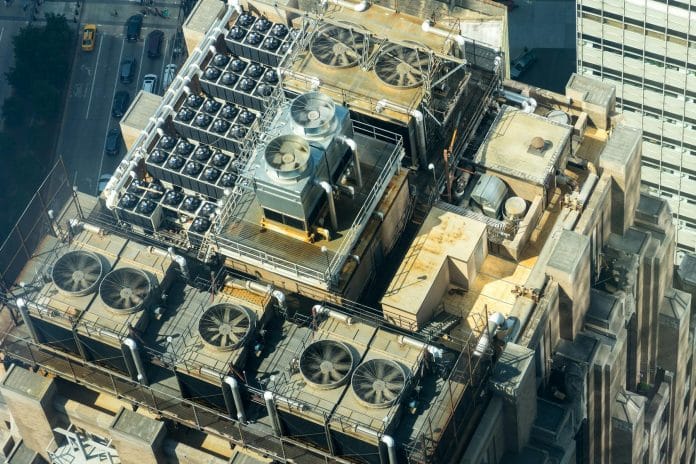
Modern HVAC systems use advanced technology to manage energy through smart controls and adaptive operation. They can adjust automatically based on occupancy, weather, and time of day. Using artificial intelligence and machine learning, current HVAC systems can anticipate heating and cooling needs, running well while wasting less energy.
Regular maintenance matters a great deal for HVAC efficiency. Simple tasks like replacing filters, cleaning ducts, and scheduling annual professional inspections have a real effect on how a system performs. A well-maintained system runs at peak efficiency, uses less energy, and keeps comfort steady. This preventive approach extends the life of the equipment and lowers the chance of costly repairs or early replacement.
Zoning systems are a notable step forward. They let homeowners heat or cool specific areas based on actual needs, which cuts the waste of conditioning empty rooms and provides comfort where people are. Modern zoning systems can connect with smart home technology, giving you close control over the indoor climate.
The environmental impact of HVAC systems goes beyond energy use to refrigerant management and carbon emissions. New refrigerants with lower global warming potential are being developed and put into use, and electric heat pumps are becoming a practical alternative to systems that burn fossil fuels. These changes reduce the environmental footprint of home climate control.
The economic benefits of efficient HVAC systems show up in both immediate and long-term savings. High-efficiency systems can cost more to install, but lower monthly operating costs and possible utility incentives make them worthwhile. The return on investment gets even better as energy prices climb and the technology gets cheaper with wider adoption.
Building design and insulation matter for HVAC efficiency too. Good insulation, sealed ductwork, and smart window placement can lower the load on an HVAC system considerably. Modern building codes put more weight on these passive measures because they help create sustainable, energy-efficient homes.
Pairing renewable energy with HVAC systems is a growing trend in home energy efficiency. Solar-powered HVAC systems and geothermal heat pumps draw on natural energy sources, which reduces reliance on the traditional power grid. These hybrid setups point toward net-zero energy homes.
As systems get more complex, professional skill in HVAC installation and maintenance counts for more. Certified technicians need to keep up with new technology and best practices to get the most out of a system. Their work goes past installation to include energy auditing, system optimization, and ongoing maintenance.
The future of HVAC technology promises further gains in energy efficiency. Advances in materials science, control systems, and renewable energy integration will keep expanding what home climate control can do. As these technologies mature and become easier to get, wider adoption will help meet broader sustainability goals while keeping homes comfortable.
