
Key takeaways
- Understanding how energy moves through daily life is the practical starting point for cutting your environmental impact.
- Better choices at home, on the road, and online can measurably shrink your energy footprint.
- Small behavioral changes, backed by clear information and a few tools, help you lower both energy use and bills.
Understanding energy consumption in daily life
Everyday routines, from the first cup of coffee to a long hot shower, add up to an individual and collective energy footprint. Recognizing what daily tasks actually cost in energy is the first step for anyone who wants to lower their impact. Once you see your own habits clearly, you can spot realistic chances to cut back.
Much of this stays hidden until you look at where energy comes from and how modern homes and workplaces use it. For consumers ready to make smarter decisions, providers like Indra Energy offer tools and services to monitor household use and shift toward cleaner sources.
When you track consumption patterns, you can decide when and how to use energy more efficiently. Small, consistent changes add up to real reductions in both your bill and your emissions.
Home energy use: a closer look
Inside the home, energy use tends to run higher than people expect. Refrigerators, washing machines, and electronic devices are among the biggest draws in a typical household. Many devices keep pulling small amounts of power even when switched off, the so-called vampire loads.
Unplugging idle electronics, or grouping them on a power strip you can flip off, removes that waste. Switching to LED lighting and efficient appliances pays back over time. As The New York Times has reported, steady small adjustments translate into a noticeably lower household energy bill.
The impact of transportation choices
Transportation is a leading part of individual energy use, with cars and air travel responsible for a large share of global carbon emissions. Public transit, carpooling, biking, and walking conserve energy while also easing traffic and air pollution.
Simple maintenance helps too. Keeping tire pressure correct and driving smoothly cuts the fuel your vehicle burns. Options like a hybrid or electric vehicles reduce your reliance on nonrenewable sources further. Planning errands to shorten distances and combining trips makes a real difference over a week.
Digital habits and energy consumption
The way we use phones, computers, and tablets carries an energy footprint that most people underestimate. Streaming video, storing large files online, and constantly recharging devices all draw meaningful electricity. Streaming a single hour of video can emit roughly one kilogram of CO2, according to studies of digital consumption. Lowering screen brightness, turning devices off when idle, and tightening your usage habits all help. Deleting unnecessary emails and clearing out cloud storage counts as well, because the data centers behind these networks run on a constant supply of power.
This is also where discovery and energy quietly connect. Every search you run, every listing you scroll, sits on that same infrastructure. Finding a reputable local installer or repair service through a curated directory rather than dozens of separate searches is a small efficiency, and it usually gets you to a trustworthy result faster. People increasingly rely on the web to vet local businesses: Pew Research Center found that 36% of American adults turn to search engines when they need information about local businesses, ahead of any other source. Being listed somewhere clear and human checked helps those businesses get found without wasted effort on either side.
Food choices and energy use
Beyond the home and the commute, energy goes into producing and moving food. Locally grown produce usually needs less transport energy than items shipped across the world. Eating seasonally cuts the reliance on energy-hungry refrigeration and storage. Reducing waste, by buying only what you need, using leftovers, and composting scraps, saves energy too. The United States Department of Agriculture estimates that 30 to 40 percent of the food supply is wasted each year, which points to a large opportunity for households to conserve.
Empowering consumers through information
Given clear, regular information about their energy use, people are far more likely to change what they do. One study in Amsterdam found that households receiving detailed energy reports paired with coaching cut their costs by half, lifting many out of energy poverty. Accessible data, practical tips, and honest feedback tend to move behavior more than exhortation does.
Trust is part of that equation. People act on information they believe, and the source matters. Rachel Botsman, in “Who Can You Trust?” (2017), describes a shift into an era of distributed trust, where ratings, reviews, and platform reputation let strangers extend confidence to businesses and people they have never met. The same logic applies to choosing an energy provider, an electrician, or a smart-meter app: a genuine review or a listing that has been vetted by a person does more to reassure you than a marketing claim.
Tools to track and reduce energy use
More consumers now use mobile apps, smart meters, and online dashboards to watch and manage their consumption. These tools give personalized feedback, suggest efficient appliances, and help you set targets you can actually reach. With them, seeing the payoff from your efforts becomes straightforward and even satisfying. Many platforms provide progress reports, comparison charts, and cost analyses that support changes you can keep up over months and years.
When you shop for these tools, the same evaluation habits apply as for any service. Check independent reviews rather than the vendor’s own testimonials, look for verified customer feedback, and favor sources that have some editorial or human oversight. A dashboard is only useful if the company behind it is reliable and still around next year, so a little research up front saves frustration later.
Where this leaves you
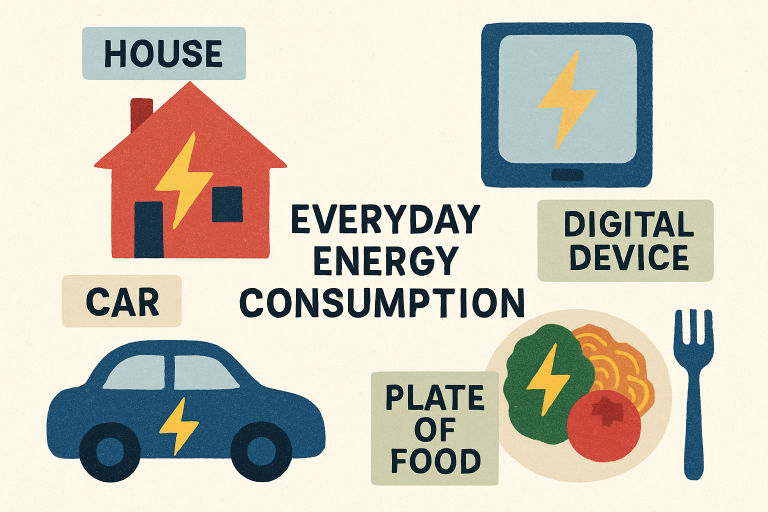
The choices you make each day shape the wider energy picture. Once you understand how energy is used across your home, your travel, your digital life, and your diet, you can pick a few changes that fit your routine and stick with them. Start with one or two: swap the bulbs, unplug the idle electronics, combine your errands, or install an app that shows your usage. Modest adjustments deliver real results, trimming your budget and lowering your impact, and they compound as more people make them.
