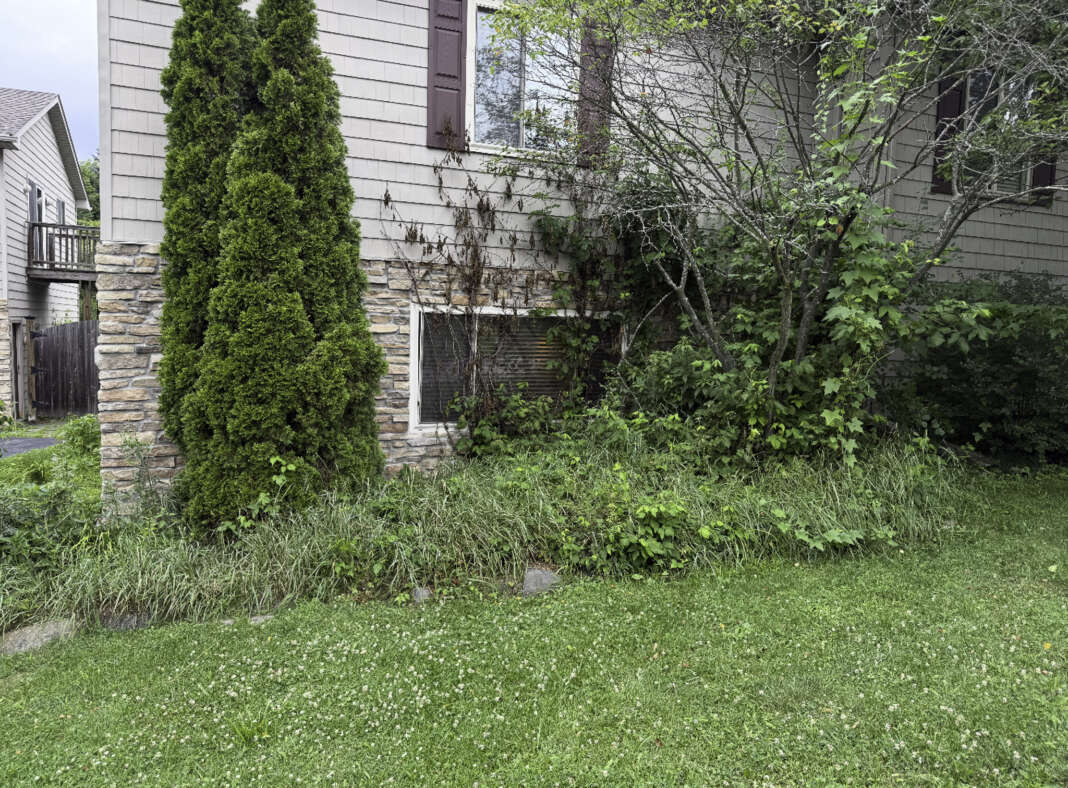
Foundation Waterproofing: Protecting Michigan Homes at the Source
Foundation waterproofing encompasses all measures taken to prevent water from penetrating a home’s foundation walls and floor slab. In Michigan, where glacial clay soils retain moisture for extended periods and freeze-thaw cycling creates ongoing mechanical stress on concrete and block foundations, comprehensive foundation waterproofing is the single most important investment a homeowner can make in the long-term structural soundness and habitability of their property.
Without adequate waterproofing, water intrusion leads to a cascade of problems: structural deterioration of concrete and mortar joints, corrosion of reinforcing steel within poured walls, mold and mildew growth in basement spaces, damage to stored property and finished living areas, and progressive degradation of indoor air quality as moisture-laden basement air circulates through the home.
Mansour’s Innovations approach foundation waterproofing as a comprehensive discipline rather than a single service. The company’s foundation waterproofing capabilities span interior drainage systems, exterior membrane application, foundation crack injection using polyurethane and epoxy, tie rod and snap tie hole sealing, vapor barrier installation, sump pump systems with battery backup, exterior drainage including French drains and dry wells, and grading correction to channel surface water away from the foundation.
This breadth of capability permits the company to address the full spectrum of foundation water problems rather than supplying a single solution that may not match the specific conditions at a given property.
The foundation waterproofing process at Mansour’s initiates with a thorough assessment that evaluates the foundation type, age, and condition; soil characteristics; existing drainage systems; grading; gutter discharge patterns; and the history and severity of water intrusion. This assessment may include thermal imaging to detect moisture behind finished walls and camera inspection of existing drain tile or sewer connections.
The goal is to identify the actual water routes and their causes before recommending a solution, rather than defaulting to a standardized approach that may address symptoms without resolving the underlying condition.
Exterior Foundation Waterproofing Methods
Exterior foundation waterproofing is the most thorough approach available because it addresses water at the point of contact with the foundation wall, preventing penetration entirely rather than managing water after it enters. The process includes excavating around the foundation to expose the exterior wall surface, cleaning and preparing that surface, applying a waterproof membrane system, installing perimeter drainage tile connected to a discharge point, and backfilling with appropriate material and compacting it properly. Grading correction is typically performed as part of the restoration to ensure surface water flows away from the foundation rather than toward it.
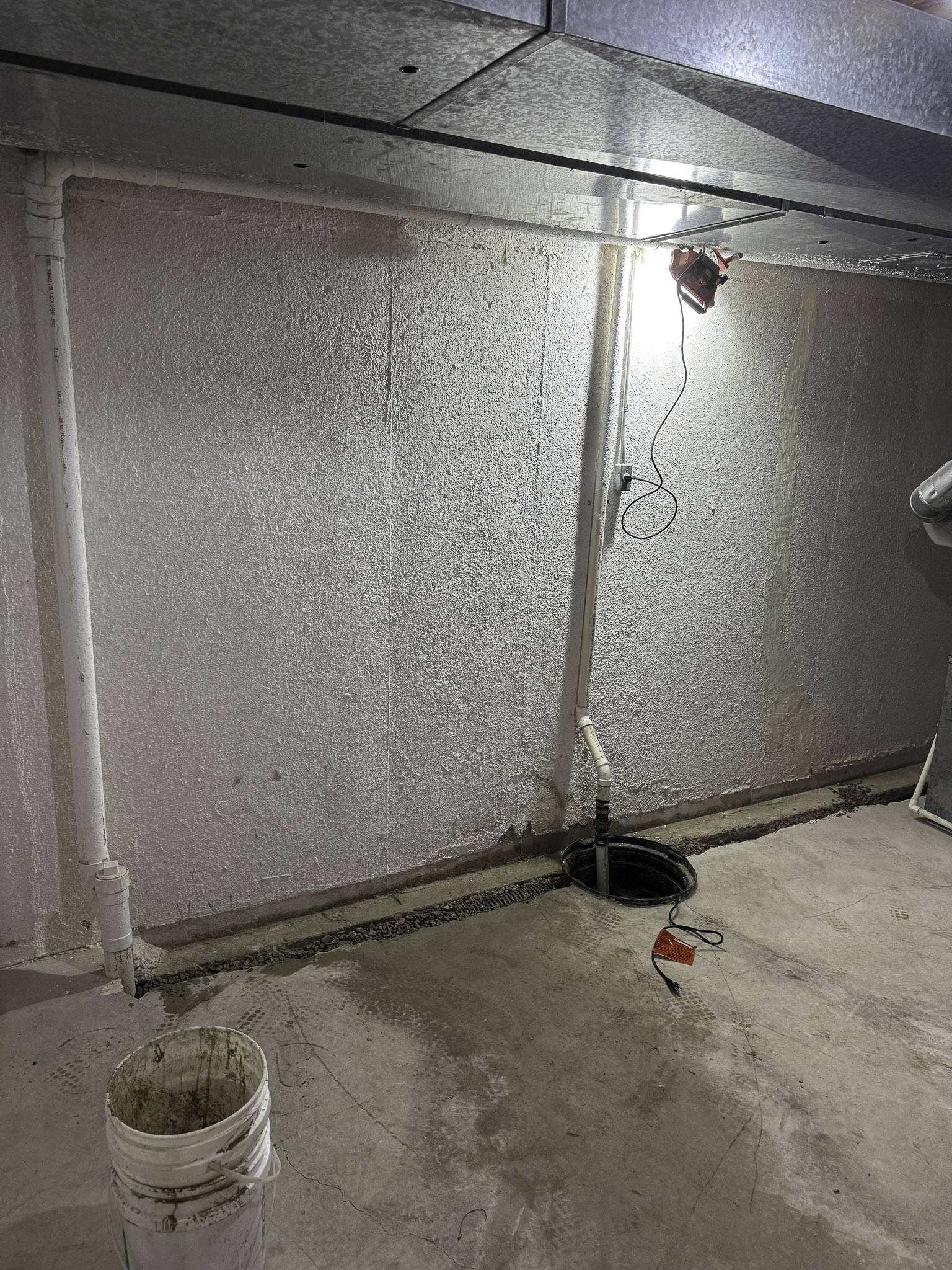
Mansour’s Innovations uses modern membrane systems, including rubber membranes and dimple board drainage layers, rather than older tar or bitumen coatings that degrade over time. These contemporary materials provide superior waterproofing performance and a significantly longer service life than the coatings that were standard when most of Michigan’s existing housing stock was built. The perimeter drainage tile installed during exterior waterproofing replaces the existing drain tile system, which in many Michigan homes has failed due to age, root intrusion, or ground displacement.
Q.: A question we frequently receive is: at what point does a foundation issue require professional waterproofing rather than a simple patch? Here is the expert breakdown:
A:. In Michigan, a small hairline crack that’s less than 1/8 inch and not getting bigger is probably just a sign of a foundation settling – it’s pretty common and not a major concern at this point.
It becomes a serious situation that requires immediate professional attention and possibly waterproofing when you notice:
– Width over 1/4 inch (or even 1/8 inch if widening).
– Horizontal cracks — these scream hydrostatic pressure from wet Michigan soil pushing walls in.
– Stair-step cracks in block walls.
If you notice that the crack is getting bigger, water is seeping out, or one side of it is clearly wider than the other, that’s a sign of a problem.
– Bonus red flags: bowing/leaning walls, sticking doors/windows, uneven floors, or ongoing seepage.
When water starts seeping in, it’s more than a nuisance – it can actually weaken your foundation pretty quickly, especially here in Michigan, where we have to deal with freeze-thaw cycles and high water tables. You should really get a local basement expert to come out and take a look as soon as possible. If you catch the problem early, you can apply injections or waterproofing to stop the water in its tracks before it becomes a major headache or a costly repair. And don’t wait if you’ve got horizontal cracks – that’s a sign of a serious issue that needs to be addressed right away.
Exterior foundation waterproofing projects typically take 5 to 10 days, depending on the foundation size, excavation depth, soil conditions, and site access constraints. The work involves temporary disruption to landscaping adjacent to the foundation, and site restoration, including backfill, compaction, grading, and reseeding or sodding, is included as part of the service. Mansour documents the restoration as a deliverable rather than an afterthought, which addresses one of the most common homeowner complaints after excavation work.
The company operates its own excavation equipment, which is a meaningful operational advantage. Contractors who subcontract excavation to a separate company create scheduling dependencies and divided accountability between the excavation crew and the waterproofing crew. When the same company controls both excavation and waterproofing installation, the project follows a single schedule with unified responsibility for the outcome. This integration also tends to reduce the total project duration, immediately benefiting the homeowner through minimizing yard disruption.
Interior Foundation Protection and Crack Repair
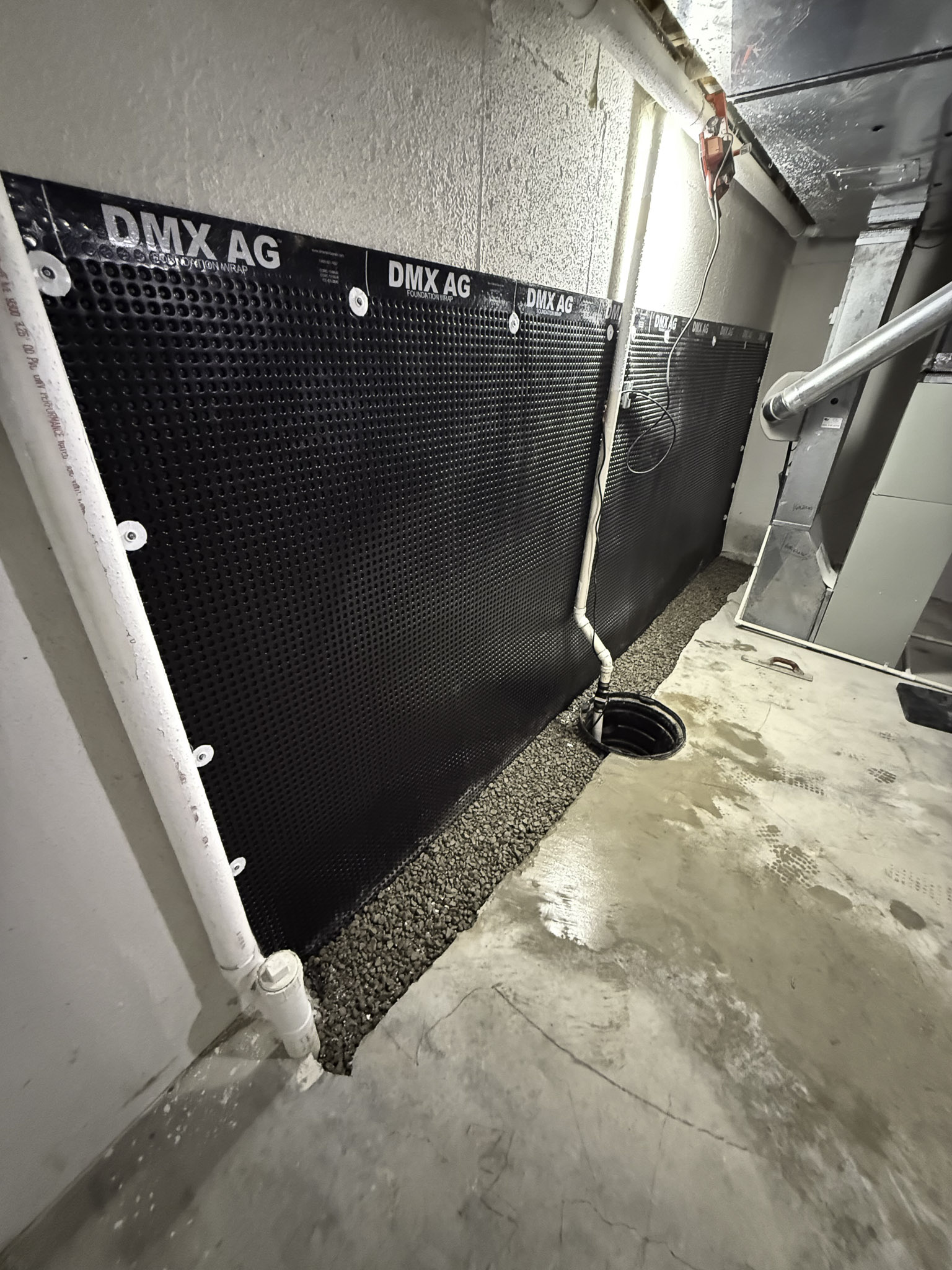
Interior foundation waterproofing complements exterior work or serves as the primary intervention whenever exterior excavation is impractical. Interior perimeter drainage systems, sump pumps, vapor barriers, and crack injection collectively manage moisture that reaches the interior face of the foundation. For many Michigan homes, particularly those with close property lines, significant adjacent landscaping, or budgets that favor the more economical interior approach, these methods deliver reliable water management that protects the basement space and its contents.
Foundation crack injection is a specialized component of foundation waterproofing that deserves particular attention. Poured concrete foundations develop cracks caused by a combination of shrinkage during curing, hydrostatic pressure from groundwater, and mechanical stress from freeze-thaw soil movement.
These cracks range from cosmetic hairline fractures to active water pathways that deliver measurable flow during rain events. Mansour’s Innovations repairs these cracks by injecting polyurethane foam or epoxy resin under pressure, filling the crack through the full thickness of the wall rather than applying surface patches that fail when the next season of soil movement reopens the crack.
Tie rod holes represent another common water entry point in poured concrete foundations. Every poured foundation wall was formed using steel tie rods that held the form panels at the correct spacing during concrete placement. After curing, the forms were removed, and the rods were cut, leaving small through-wall penetrations at regular intervals across the foundation.
These holes are present in virtually every poured-wall foundation in Michigan, and they are often overlooked during waterproofing assessments that focus only on visible cracks. Mansour’s addresses tie rod holes as part of its foundation waterproofing service, recognizing that a complete approach must treat all water entry points, not just the most obvious ones.
The 25-year transferable warranty applies to all foundation waterproofing work performed by Mansour’s Innovations, whether interior, exterior, or a combination of both. This warranty is documented and provided to the homeowner at project completion, creating a record that supports future real estate transactions and provides long-term assurance that the work meets a defined standard. For Michigan homeowners, where foundation waterproofing is a near-universal need at some point in a home’s lifecycle, this warranty represents a meaningful form of property protection that extends well past the immediate project.
For homeowners searching for reliable foundation waterproofing in Michigan, Mansour’s Innovations delivers proven expertise backed by a 25-year transferable warranty and hundreds of satisfied customers across Southeast Michigan.
Scientific Foundations of Freeze-Thaw Deterioration and Waterproofing Efficacy
The necessity of foundation waterproofing in Michigan is substantiated by a considerable body of peer-reviewed research on freeze-thaw (F-T) deterioration mechanisms in concrete and masonry. A comprehensive review published in the Journal of Building Engineering (2025) identifies hydrostatic pressure, osmotic pressure, salt crystallization, and the micro-ice lens hypothesis as the primary internal contributors to F-T damage in concrete structures.
The review demonstrates that when water within the pore structure of concrete freezes, it undergoes a volumetric expansion of approximately 9%, generating internal pressures that can exceed 100,000 pounds per square inch. Over repeated cycles, this expansion induces progressive microcrack propagation, increased permeability, and eventual macroscopic structural failure (Elgendy et al., 2025). For Michigan foundations, which may experience over 60 F-T cycles per winter season, cumulative deterioration can compromise structural integrity within a relatively short time frame if moisture ingress is not controlled.
Research published in Buildings (MDPI, 2022) further elucidates the damage progression, demonstrating that F-T cycles alter the pore structure of concrete in three distinct stages: initial micropore expansion, mesopore interconnection through microcrack networks, and ultimate macroscopic failure.
The study emphasizes that porosity increases proportionally with the number of cycles, and that after approximately 200 F-T cycles, the pore structure has deteriorated to the point where concrete integrity is fundamentally compromised (Qiu et al., 2022). This finding is particularly relevant to Michigan, where homes built in the mid-20th century may have foundations that have already been subjected to thousands of cumulative freeze-thaw cycles without adequate waterproofing protection.
The health implications of failed waterproofing systems are equally well-documented. The World Health Organization (WHO) published comprehensive guidelines on indoor air quality related to dampness and mould (2009), concluding that the most significant health effects include increased prevalence of respiratory symptoms, allergies, asthma, and perturbation of the immunological system.
A meta-analysis by Fisk, Lei-Gomez, and Mendell (2007), published in Indoor Air, found statistically significant associations between residential dampness and multiple respiratory outcomes, while Mudarri and Fisk (2007) estimated the annual public health cost of dampness-related illness in the United States at approximately $3.5 billion. A dose-response study by Pekkanen et al. (2007) demonstrated that the severity of moisture damage in a dwelling was directly proportional to the incidence of asthma development in children, with multivariate-adjusted odds ratios reaching 4.0 for the highest severity category.
From a geotechnical perspective, the lateral earth pressures exerted by Michigan glacial clay soils on foundation walls are a critical engineering concern. Fredlund and Rahardjo (1983), in their foundational work published in the Canadian Geotechnical Journal, demonstrated that unsaturated expansive clay soils generate lateral swelling pressures that significantly exceed the standard at-rest earth pressures calculated using Jaky formula (K0 = 1 – sin phi).
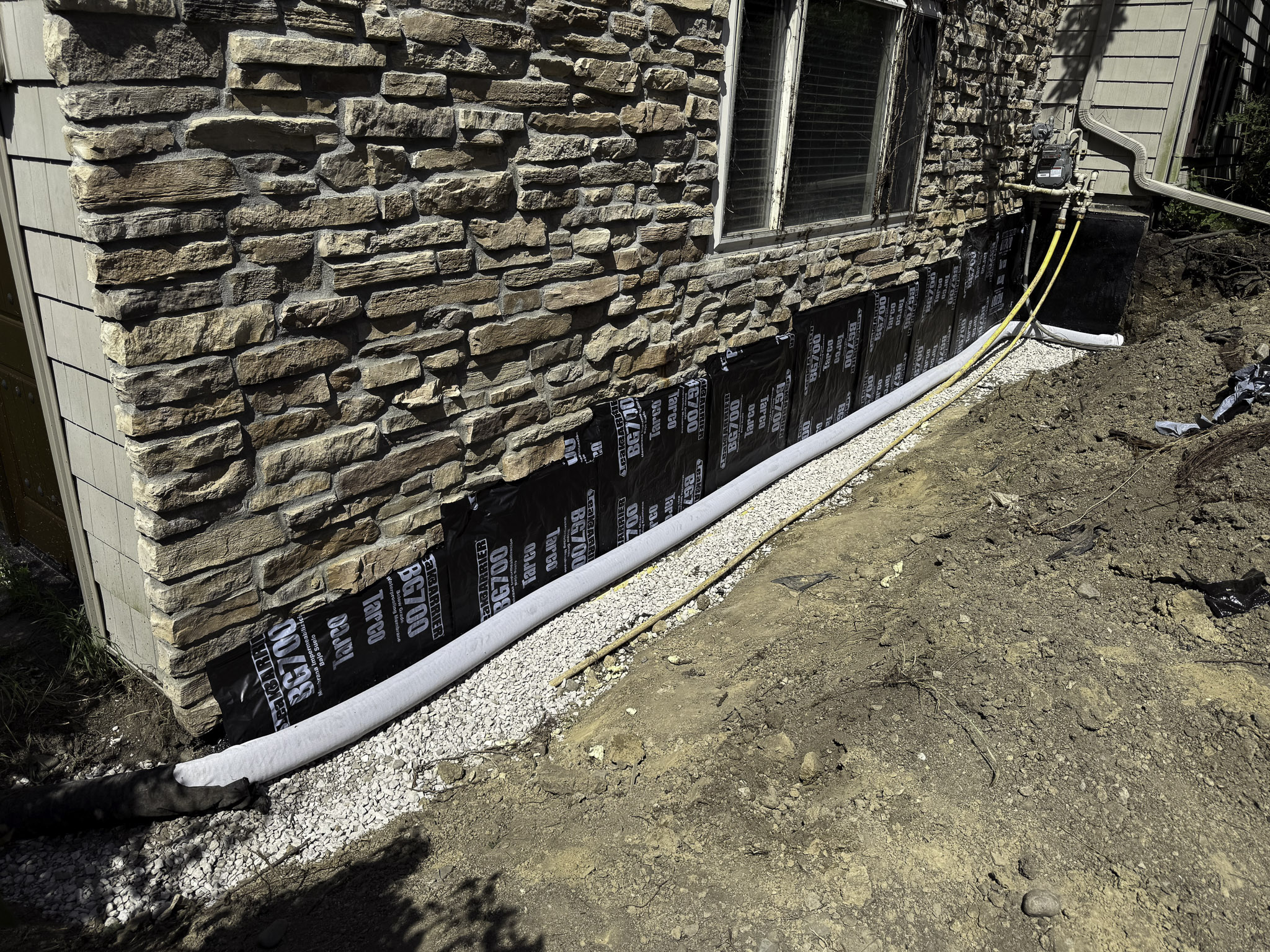
When these soils become saturated during spring thaw or prolonged rainfall, the resulting hydrostatic and lateral swelling pressures can cause horizontal cracking and inward bowing of foundation walls, conditions frequently observed in Southeast Michigan residential construction. Modern membrane waterproofing systems, as deployed by Mansour Innovations, function as both a moisture barrier and a pressure-management layer, addressing the dual mechanisms of water infiltration and mechanical stress that characterize the Michigan foundation environment.
References
Elgendy, M., et al. (2025). A comprehensive review of concrete durability in freeze-thaw conditions: Mechanisms, prevention, and mitigation strategies. Journal of Building Engineering, 106186. https://doi.org/10.1016/j.jobe.2025.106186
Fisk, W. J., Lei-Gomez, Q., & Mendell, M. J. (2007). Meta-analyses of the associations of respiratory health effects with dampness and mold in homes. Indoor Air, 17(4), 284-296. https://doi.org/10.1111/j.1600-0668.2007.00475.x
Fredlund, D. G., & Rahardjo, H. (1983). Lateral earth pressures in expansive clay soils. Canadian Geotechnical Journal, 20(2), 228-241. https://doi.org/10.1139/t83-027
Mudarri, D., & Fisk, W. J. (2007). Public health and economic impact of dampness and mold. Indoor Air, 17(3), 226-235. https://doi.org/10.1111/j.1600-0668.2007.00474.x
Pekkanen, J., et al. (2007). Moisture damage and childhood asthma: a population-based incident case-control study. European Respiratory Journal, 29(3), 509-515. https://doi.org/10.1183/09031936.00040806
Qiu, J., et al. (2022). Damage Mechanism and Modeling of Concrete in Freeze-Thaw Cycles: A Review. Buildings, 12(9), 1317. https://doi.org/10.3390/buildings12091317
World Health Organization. (2009). WHO guidelines for indoor air quality: dampness and mould. WHO Regional Office for Europe. https://www.who.int/publications/i/item/9789289041683
