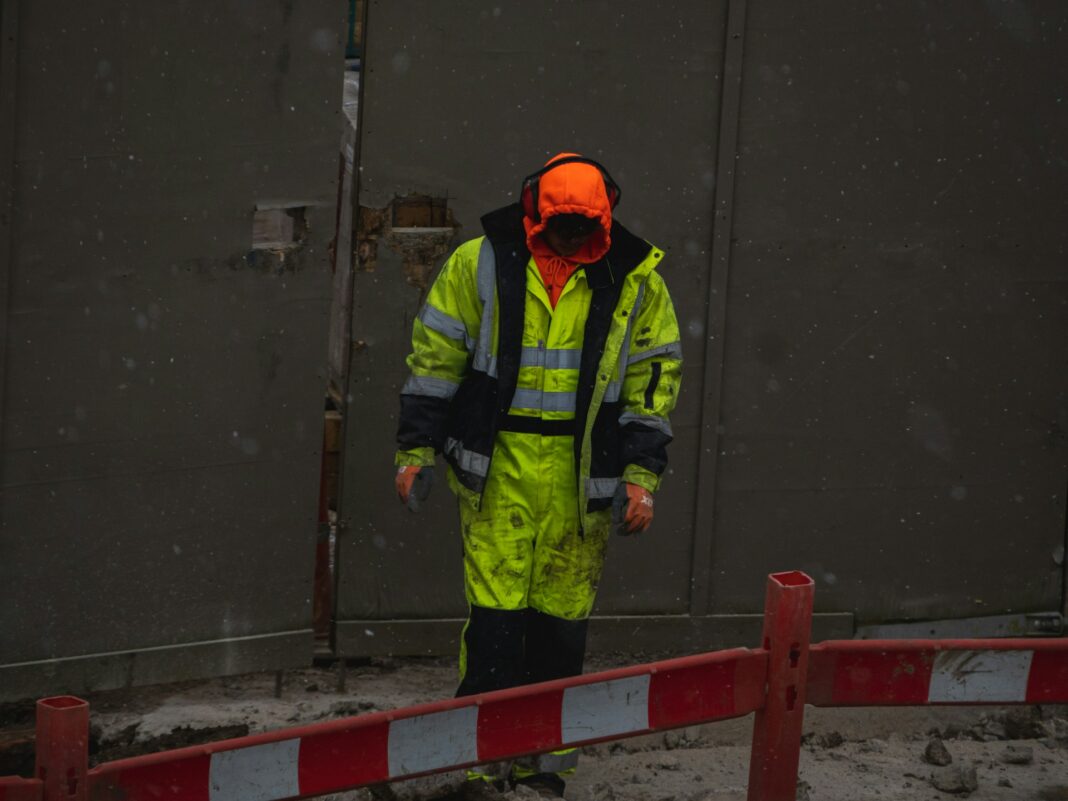
Asbestos exposure creates concern, though immediate response helps safeguard health while establishing essential documentation for subsequent medical treatment. While exposure doesn’t ensure disease development, following appropriate procedures reduces risks while ensuring preparation should health complications develop in future years.
Asbestos-related conditions frequently require decades for manifestation, making early documentation and consistent health monitoring essential for individuals encountering these hazardous materials. These five fundamental procedures provide clear guidance for individuals suspecting asbestos material exposure.
Contact Your Doctor
Inform healthcare providers regarding potential past or current asbestos exposure, regardless of symptom presence. Prompt medical documentation and ongoing monitoring remains advisable, as asbestos-related conditions frequently manifest years following initial exposure.
Physicians potentially order baseline evaluations, including chest radiography and pulmonary function assessment establishing comparative metrics for future evaluations. Seek medical attention when experiencing persistent cough, breathing difficulties, or chest discomfort; these indicate early asbestos-related condition development. Maintaining regular medical evaluation and ensuring early condition identification can improve treatment outcomes.
Consider Specialized Treatment Centers
Developing asbestos-related conditions warrants specialized medical center treatment creating significant outcome differences. These facilities maintain extensive experience with uncommon conditions including mesothelioma while providing access to innovative treatments unavailable at general medical facilities. For example, New York mesothelioma treatment centers offer advanced therapeutic approaches. These include experimental protocols and clinical research extending survival while improving life quality.
Specialized facilities additionally provide comprehensive support services, including nutritional guidance, pain control, and psychological assistance, helping patients and families manage asbestos-related condition challenges. The expertise and resources available through these institutions prove invaluable in developing effective treatment strategies addressing specific circumstances.
Document Everything Related to Your Exposure
Thorough asbestos exposure documentation remains essential for medical and legal requirements. Create detailed records including exposure timing, location, duration, asbestos-containing material types, and protective equipment usage or absence. For occupational exposure, document job duties, companies involved, and witnesses confirming exposure circumstances.
Gather exposure site photographs when possible, preserve relevant employment records or agreements, and acquire safety report or inspection document copies. This documentation becomes crucial during workers’ compensation claims or legal proceedings against responsible entities.
Assess the Risk
Primary risk factors associated with asbestos-related conditions include exposure duration, method, and concentration. Individuals renovating older structures without adequate protective equipment and ventilation face substantially greater risks compared with persons working within asbestos-insulated buildings, though both situations create disease development possibilities. Asbestos presents greatest hazards when fibers become airborne. Consequently, construction and demolition workers encounter exceptionally elevated exposure risks.
Change and Dispose of Contaminated Clothing
Remove clothing carefully, avoiding vigorous movements releasing additional filters into surrounding air. Place contaminated materials within sealed plastic containers before disposal. Avoid washing these items through regular laundry processes, as this distributes asbestos fibers throughout residences contaminating additional clothing. Instead, dispose of sealed containers according to regional hazardous waste regulations.
When possible, shower immediately using soap and water removing asbestos fibers settled on skin or hair. Focus attention on fiber collection areas including hairline, beneath fingernails, and within skin folds. Employ gentle washing techniques avoiding grinding remaining fibers into skin surfaces.
Steps to Take if You Have Been Exposed to Asbestos
Asbestos exposure remains a significant public health concern despite decades of regulation. Whether you encountered this material during home renovation, at a workplace, or through environmental contamination, understanding the appropriate response can meaningfully affect your long-term health outcomes.
Assess the Nature and Duration of Exposure
The first step requires honest evaluation of your exposure circumstances. Single, brief encounters with intact asbestos materials carry substantially lower risk than prolonged occupational exposure or situations involving disturbed, friable asbestos. Document everything you can recall: the approximate duration, whether the material appeared damaged or crumbling, the ventilation conditions, and whether you wore any respiratory protection.
This assessment matters because asbestos-related diseases correlate strongly with cumulative exposure. Workers in shipyards, construction, mining, and insulation industries who experienced years of daily exposure face dramatically higher risks than someone who briefly entered an older building with undisturbed asbestos tiles. However, no exposure level is considered completely safe, and even minimal contact warrants attention.
Seek Medical Evaluation
Schedule an appointment with your primary care physician and explicitly mention the asbestos exposure. Many doctors, unless prompted, will not think to screen for asbestos-related conditions during routine examinations. Request a referral to a pulmonologist if your exposure was significant or prolonged.
The physician will likely order a chest X-ray as a baseline imaging study. For more detailed assessment, high-resolution computed tomography provides superior detection of early pleural changes and parenchymal abnormalities. Pulmonary function tests establish baseline lung capacity measurements that enable future comparison.
I should note that immediate medical intervention cannot reverse asbestos exposure—no treatment removes inhaled fibers from lung tissue. The purpose of early medical evaluation is establishing baseline health status and implementing a monitoring protocol. This reality frustrates many patients who expect actionable treatment, but surveillance remains the most medically sound approach.
Establish Long-Term Health Monitoring
Asbestos-related diseases manifest with considerable latency. Mesothelioma typically appears 20 to 50 years after initial exposure; asbestosis and lung cancer similarly develop over decades. This extended timeline necessitates ongoing medical surveillance rather than one-time evaluation.
Work with your physician to establish an appropriate monitoring schedule. Most guidelines recommend chest imaging every one to three years for significantly exposed individuals, though the optimal frequency depends on exposure intensity and individual risk factors. Maintain all medical records meticulously—decades later, this documentation proves invaluable for both medical management and potential legal proceedings.
Document Everything for Legal and Compensation Purposes
Asbestos litigation represents one of the largest mass tort categories in legal history, with substantial compensation funds established specifically for exposure victims. Even if you currently show no symptoms, thorough documentation protects future options.
Record the exposure circumstances in writing while details remain fresh. Identify the property location, building owner, employer if occupational, and any companies whose products may have contained asbestos. Photograph relevant materials if safely possible. Obtain copies of employment records, union documentation, or any workplace exposure assessments.
Many jurisdictions impose statutes of limitations on asbestos claims, though these typically begin running from disease diagnosis rather than exposure date. Still, contemporaneous documentation dramatically strengthens any future claim.
Implement Protective Measures Against Further Exposure
If asbestos remains present in your home or workplace, professional assessment determines whether removal or encapsulation is appropriate. Never attempt amateur asbestos removal—improper handling dramatically increases fiber release and exposure risk. Licensed abatement contractors follow strict protocols including negative air pressure containment, HEPA filtration, and proper waste disposal.
For occupational exposure, federal regulations in most developed countries mandate specific protections. If your employer fails to provide adequate respiratory protection, exposure monitoring, or hazard communication, report these violations to occupational safety authorities. Your health takes precedence over workplace relationships.
Address Lifestyle Factors That Compound Risk
Smoking synergistically multiplies asbestos-related cancer risk. Studies demonstrate that asbestos-exposed smokers face approximately 50 times the lung cancer risk of unexposed non-smokers, compared to roughly five times for asbestos-exposed non-smokers. If you smoke, cessation represents the single most impactful protective action available.
General respiratory health maintenance also matters: avoid additional occupational irritants when possible, stay current on pneumococcal and influenza vaccinations, and promptly address respiratory infections. While these measures cannot eliminate asbestos-related disease risk, they optimize overall pulmonary function and may improve outcomes if disease develops.
Endnote
While asbestos exposure creates serious concerns, immediate informed response influences long-term health results. These outlined procedures establish comprehensive health risk management while safeguarding legal and financial considerations. Remember early intervention combined with consistent monitoring provides optimal protection against asbestos-related conditions.
