Lawsuit payouts carry mixed feelings. On one side, recipients win a settlement large enough that, in theory, they are fairly compensated and set for life. On the other side, something terrible usually has to happen before a lawsuit can even begin.
Among the five biggest settlements below, many of the awards technically went to people who were already dead or who had been cheated out of millions. That makes them gains that arrive with little joy attached.
Justice still matters. For many people, the court system and a class-action law firm are the only route to the compensation they are owed. If you or someone you know has been treated unfairly, misled, or otherwise taken advantage of and hopes to get justice one day, look at these record-breaking lawsuit awards to see how high a settlement can climb.
How these settlements actually work
A settlement is an agreement to end a dispute without a full trial, or before a jury reaches a final verdict. Both sides weigh the cost, time, and risk of fighting on, then agree on a number. For a company, a settlement can cap the damage and avoid years of unfavorable headlines. For plaintiffs, it means money sooner and a result they can count on, rather than a courtroom gamble.
Large payouts often split into different buckets. Some money is a criminal fine paid to the government. Some is a civil penalty. And some goes directly to victims and their families. The eye-catching top-line figure rarely lands whole in any single person’s account, which is worth keeping in mind as you read the numbers below.
The five biggest settlements
1. Rupert Murdoch divorce settlement, $2 billion
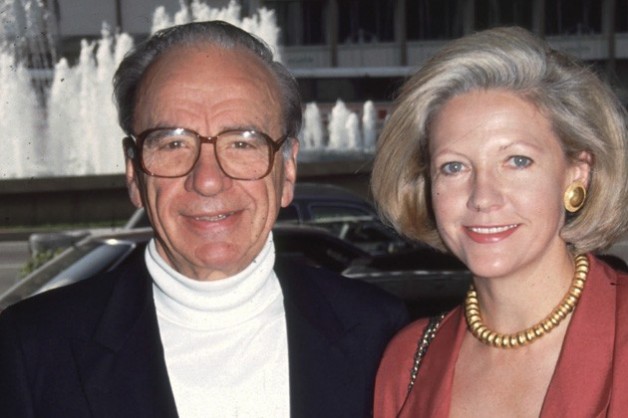
News Corp. owner, media mogul, and lover of sensational headlines Rupert Murdoch faced a substantial bill when his wife of 32 years learned he was having an affair with the Chinese actress Wendi Deng.
Anna Torv had been married to Murdoch since 1967. She raised their three children and helped run his household during his rise to the top of the American news cycle. She even held a seat on the News Corp. board, a position she was pushed out of fairly abruptly during the divorce.
Their 1999 divorce settlement reportedly included just over $110 million in cash. Torv also walked away with a share of News Corp. assets, bringing the total to close to $1.7 billion.

2. World Trade Center 9/11, $3 billion
The terrorist attacks of September 11 killed more than 3,000 people. The planes that crashed into the Twin Towers released a rush of toxic gases, dust, and debris that harmed not only bystanders in and around the World Trade Center but also the first responders on the scene and the crews who handled the cleanup at Ground Zero. The plume spread for miles. Most of the people affected later accepted settlements and financial compensation.
Lawsuits and settlements followed. Attorney Paul Napoli reported over $3 billion in settlements covering more than 10,000 first responders affected by the cleanup.

3. GlaxoSmithKline, $3 billion
Marketing a pill as an antidepressant when it carries a real risk of deepening depression, or even pushing people toward suicide, is dangerous. That is what GlaxoSmithKline, the maker of Paxil and Wellbutrin, pleaded guilty to in 2013. The company made matters worse by withholding safety data from the public, and its consumer advertising for several products contradicted the FDA-approved uses of those drugs.
The payout came to $3 billion in criminal fines, which included a substantial amount in civil penalties owed to victims and their families.

4. Enron, $7.2 billion
When Enron announced it was going under in 2001, many people were stunned. How could a company said to be worth billions be bankrupt?
The gap between the company’s stated value and the valuation reported just weeks earlier became the smoking gun. America’s “most innovative company,” as Enron called itself, proved especially inventive in its bookkeeping.
Widespread corruption and accounting fraud cost investors and countless 401(k) holders billions. The company tried to postpone litigation for six years before settling for $7.2 billion.
5. Master Tobacco Settlement, $206 billion
It is bad enough that tobacco companies sell products linked to cancer and other severe illnesses. Worse, in the eyes of many, is that those companies effectively pushed part of the cost onto state Medicare budgets.
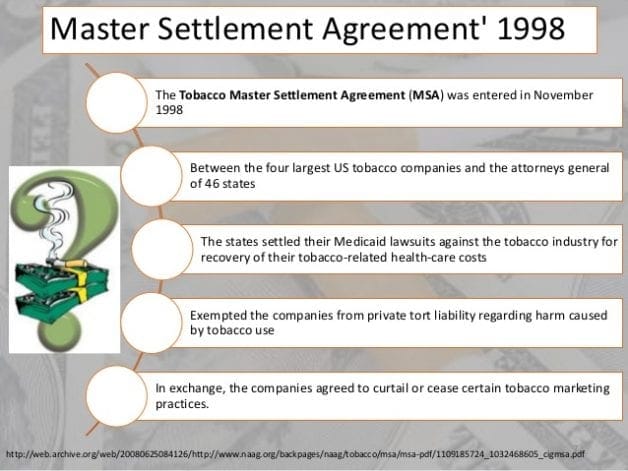
That was the situation when attorneys general from 46 states sued the four largest tobacco companies over the billions in healthcare and public health costs their products created.
The lawsuits finally ended in 1998, requiring the four biggest tobacco companies to establish victim funds and help states cover their healthcare costs, a total of $206 billion over 25 years. It stands as a rare, decisive win for the states against big tobacco.
Why the record matters to the rest of us
Cases like these leave a paper trail. Court filings, guilty pleas, and settlement agreements become public record, and that record shapes how people judge a company long after the checks clear. When you research a firm today, its legal history is part of the picture, sitting alongside customer reviews, ratings, and the way it presents itself online.
That kind of independent information now carries real weight in everyday decisions, not just in billion-dollar litigation. Simonson and Rosen, in “What Marketers Misunderstand About Online Reviews” (2014), argue that marketers consistently underestimate how far reviews and other independent sources have eroded the influence of a brand’s own messaging, so the practical question is not whether such information matters but which decisions it now dominates. A company can control its advertising. It cannot easily control the accumulated record of what regulators found and what other people report.
This is also where curated, human-checked sources earn their keep. When the crowd can be gamed, a listing that someone has actually vetted helps a legitimate business stand apart, and it helps you filter out the ones with something to hide. Reputation is built over years and, as these cases show, it can be undone in a single verdict.
What to take from all this
The numbers here are staggering, but the practical lesson is simpler. If you believe you have been wronged, document everything, keep your records, and speak to a qualified lawyer early. Settlements this large begin with ordinary people who decided their claim was worth pursuing. Before you sign a contract or trust a product, do the basic homework: check the company’s track record, read what regulators and customers have said, and treat a polished sales pitch as one input among several, not the final word.
