If you’re equally good at two complicated creative activities, you might qualify as a genius. Here is a list of authors to inspire you to develop your own talents.
We have held onto one belief for far too long: that we can be extremely talented at only one thing, and everything else comes as a backup or a hobby.
It seems logical if you think about it. At universities, we work hard to learn every pitfall and perk of a single job, because we are supposed to focus our energy and brainpower on one profession. And if we go along with old sayings (though apparently you don’t get to decide, so I’ll keep my fingers crossed that you follow me here), people are also sure you can’t feed two birds with one seed.
Wait a minute. Does that mean our perception of the world, our views, beliefs, and even fears are shaped by social prejudice and outdated sayings? I’m afraid it does. Being equally talented at several complicated and challenging things is rare, but any of us can do it.
Did you know that talent can’t be passed down genetically? So an inborn talent is something of a myth that needs a rethink. Our parents can pass us certain inclinations and physical or cognitive advantages. This is usually how it works in sports. Athletes inherit physical endurance, stamina, strength, and muscle elasticity as a genetic gift from their parents. But if they don’t develop those skills, the talent is lost.
What about the arts? Does it work the same way? Here is another stereotype we want to share with you. Some people believe writers aren’t good at painting. Writers are masters at depicting characters, plot twists, personalities, and the flaws of society. But when it comes to actual pictures, people assume they fail.
Excuse me, but what about all those talented writers who draw the illustrations for their own books? Isn’t that a perfect way to send readers the right message and make sure they get the idea? Finnish novelist Tove Jansson created her little moomins not just in her head but on paper. That’s how the image of the moomins lodged in our minds and hearts in childhood. And I hardly need to remind you that Antoine de Saint-Exupery added his own illustrations to the story of the “Little Prince, , which exists beyond time and space.
As a literature expert at GreatPaper and an aspiring painter, I am interested in the connection between writing talent and painting talent. So I decided to share a few motivating stories that prove a talented person can be talented at everything. It’s time for each of you, on the other side of the screen, to believe it.
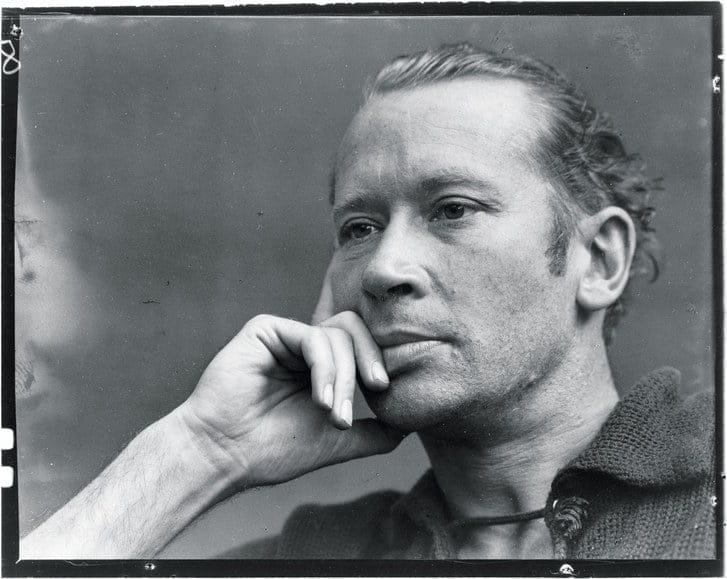
E.E. Cummings
Don’t be surprised to see “ee cummings, , this writer and painter, on the list. That is the version of his name he personally preferred, and he often signed his works this way. So no, it’s not a typo. He was an American writer who tried nearly every genre, including poetry, screenwriting, and essays, and he conquered the highest waves of each. His biographers say he was far more passionate about painting than writing. He gave more time to the brush than to the typewriter.
Even so, he is best known for his clever, elegant, and dramatic literary work. His paintings still became a big hit, and many sold for thousands of dollars. The best and most prominent feature of those works was, again, a dramatic depiction. You can describe such strong emotions with words, but how on Earth do you do it with multicolored brush lines?
Well, apparently E.E. Cummings knew a secret or two.
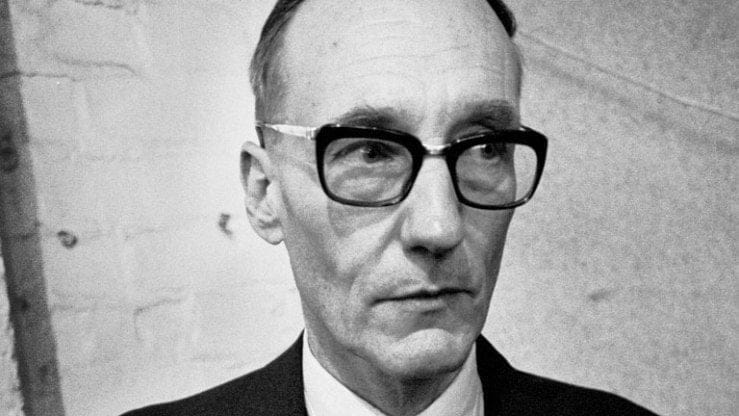
William S. Burroughs
If you know his “Junkie, or “Naked Lunch, , you’ll agree this man could make bold, risky decisions in his writing. His work can be called anything but ordinary. This American writer applied the postmodern style to everything he wrote. So if you want to feed your brain some unusual and brave ideas, read a couple of Burroughs’ essays. And if you want a constant flow of inspiration to get your brain and creativity going, hang one of his paintings at home. But I have to warn you, it may take time to get used to them. Once you do, you’ll keep saying it’s the best art in the world.
Like his novels, his paintings impress you with the originality of the idea. Burroughs didn’t use paint or brushes. Spray cans were his weapon of choice. And a gun. He drew his inspiration from Brion Gysin, which is no surprise since the two were best friends. Gysin also came up with the “cut-up technique, that Burroughs used so often. In simple terms, you write a text, cut it into pieces, and rearrange them to create something new. It’s crazy, but it’s creative and cool.
Rearranging a text is one way to jolt a reader, but not the only one, and Laura Riding’s stark take on language shows how much a writer can do by slowing the reader down.
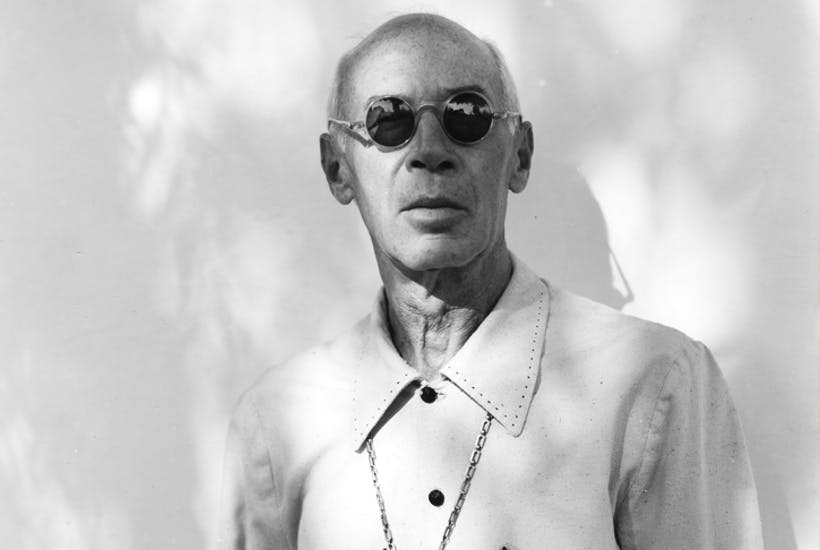
Henry Miller
His books were banned for several reasons, but a true artist never gives up. Henry Miller was an American writer (and a painter, of course) best known for his novel “Tropic of Cancer, . At one point he became persona non grata in the literary world, so he poured himself into painting instead.
And he was incredibly productive. He painted thousands of pictures, and many sold for tens of thousands of dollars, though only after his death, as usually happens with unrecognized artists. Abstract watercolor was his favorite style, so most of his work looks light and elegant. Some of it looks a bit pervy. But if that’s how the artist saw the world through his own talent, then it’s acceptable.
Miller is hardly the only artist to switch mediums mid-career, and plenty of famous musicians who also paint have shown their canvases publicly too.
Charles Bukowski
Tell me what this man couldn’t do and you’ll come up empty. Beautiful poems and even songs (some of his work became song lyrics), screenplays, short stories, and novels all came out of his mind. He was also very productive as a painter, making more than a thousand paintings.
Bukowski preferred acrylics, and probably that’s why his works look so heavy and dark yet meaningful, much like his poems. One interesting thing about this American-German writer is that he actually attended art courses at Los Angeles City College. It’s hard to imagine how so many kinds of talent can fit in one person.
Nor is that range confined to famous names: Roland Kulla’s three careers took in the seminary, thirty years of social work and, running through both, singing, design and other art forms.
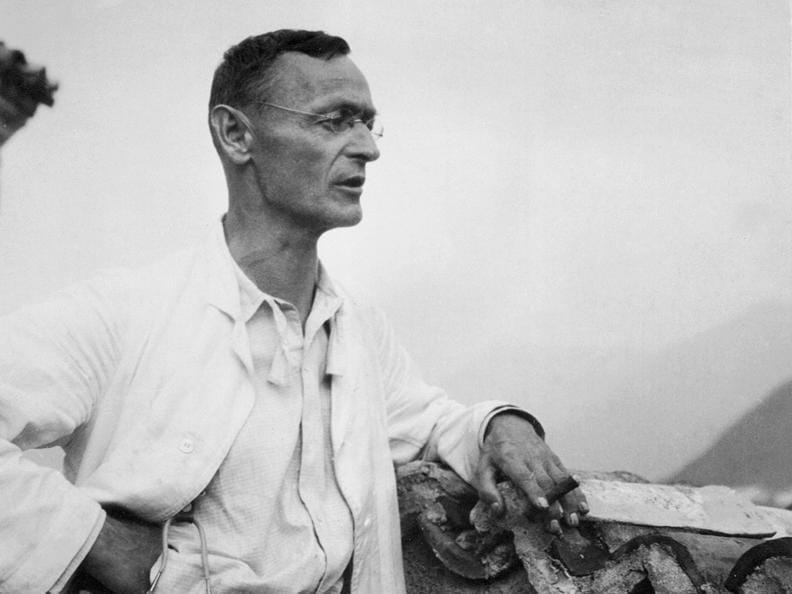
Herman Hesse
It often happens that we throw ourselves into a completely new activity after some shocking or traumatic event. Sometimes people even discover hidden talents after surviving a clinical death. Herman Hesse earned a reputation as an author every intelligent, self-respecting person is supposed to read. He is very popular with university students. And if you don’t know the work of this German novelist and poet, start with “Siddhartha, and “Steppenwolf, .
And if minimalistic yet chic art is your passion, you may want to save up for one of Hesse’s paintings. Some pieces cost around $9000, which isn’t much for a genius’s work.
Hesse took up art after he was injured during World War I, which led to the collapse of his marriage. He went to Switzerland, found its landscapes inspiring, and spent most of his free time painting them in watercolor to heal his burning soul and forget the injury. His landscapes are calming and pleasing to look at. This is something you could stare at for hours after a long day at work or university.
