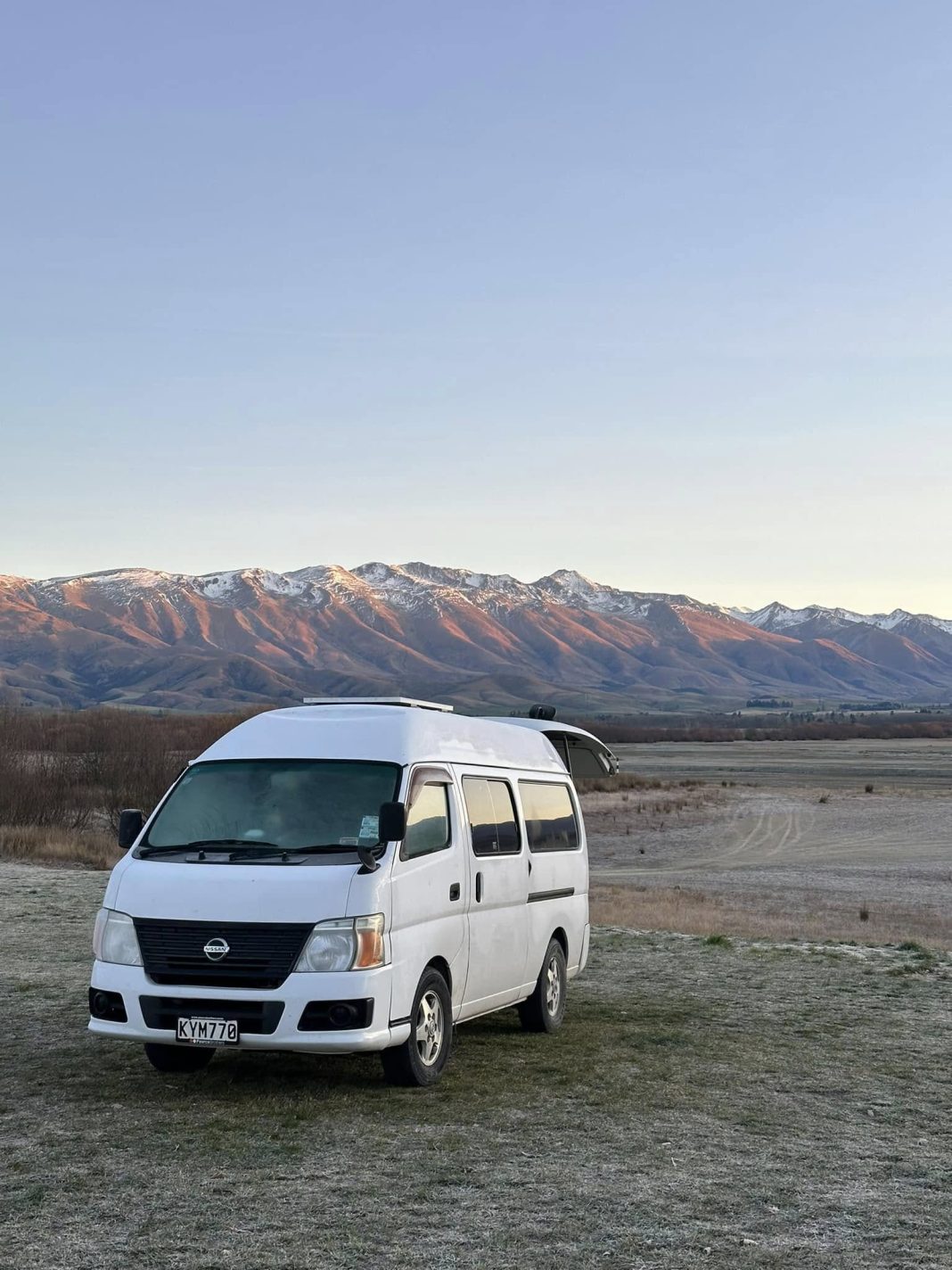
New Zealand’s small travel businesses have had a hard few years, working through the aftermath of the COVID-19 pandemic and the recession that followed. In 2025 the picture is improving. The economy shows signs of recovery, and enterprises like Travel Cars New Zealand show how a small operator can adapt and rebuild.
Economic landscape: from recession to recovery
In 2024, New Zealand’s economy contracted by 2% over six months, its worst downturn since 1991. Tourism, already weakened by pandemic-related border closures, declined sharply. Small businesses in the travel sector faced rising costs, reduced consumer spending, and a drop in international visitors. For a firm that depends on seasonal bookings and thin margins, a squeeze on any one of those inputs is painful. A squeeze on all three at once forces hard choices about staff, stock, and whether to keep the doors open at all.
By late 2024, the economy began to recover, with GDP growing by 0.7% in the fourth quarter. That growth came from tourism-related industries: accommodation, restaurants, bars, transport, and vehicle hiring. These are the parts of the economy where a returning visitor spends money quickly and locally, so a rebound tends to show up in them first.
The New Zealand Treasury projects GDP growth of 0.5% in 2024/25, accelerating to 3.3% in 2025/26, supported by lower interest rates and a resurgence in household spending. Tourism remains a vital part of the economy, generating nearly NZ$11 billion in revenue annually and supporting close to 200,000 jobs. Those are big numbers for a country of five million, and they explain why policy tends to move quickly when tourism stalls.
To boost visitor numbers, the government relaxed visa rules in January 2025, allowing people to work remotely for foreign employers for up to 90 days without local tax obligations. The aim is to attract digital nomads and content creators, adding to New Zealand’s appeal and stimulating economic activity. A remote worker who stays for several weeks rents a vehicle, books accommodation, and eats out far more than a visitor passing through in a few days, so the spending per head can be substantial.
Monetary policy is pulling in the same direction. The Reserve Bank has begun reducing interest rates, with the Official Cash Rate down 125 basis points since August 2024. As borrowing gets cheaper, household spending and business investment tend to lift, which feeds back into the recovery.
Travel Cars New Zealand: resilience and a pivot
Among the small travel businesses navigating this environment is Travel Cars New Zealand. Forced to close during the pandemic, the company came back in 2024, restarting operations from a garage. By 2025 it had grown into a dedicated car yard and re-established itself in the campervan sales market.
The firm did more than resume its old business. It built a platform that facilitates campervan sales, acting as a referral hub for buyers and sellers. That pivot answers a real shift in demand: travellers, especially domestic tourists and remote workers, want affordable, self-contained options that give them flexibility on where they sleep and how long they stay. A campervan is transport and accommodation in one purchase, which suits people who are watching their budgets after a lean stretch.
The referral model is worth pausing on, because it reflects how buying decisions actually happen now. Faced with a used vehicle from a stranger, a buyer wants some assurance that the seller is who they claim to be and that the vehicle is what it appears to be. Rachel Botsman, in Who Can You Trust? (2017), describes a shift into an era of distributed trust, where ratings, reviews, and platform reputation let strangers extend confidence to businesses and people they have never met. A referral hub works because it borrows some of that trust: the platform stands between two parties who would otherwise have no reason to believe each other.
Why being findable matters
A small travel business can be excellent and still fail if the right customer never discovers it. Most people looking for a local service start with a search rather than a recommendation. Pew Research Center found that Americans rely on the internet ahead of any other source when seeking information about local businesses: 38% of adults turn to search engines for restaurants, bars, and clubs, and 36% use search engines for other local businesses. The behaviour is similar wherever people have a phone and a question, and it means visibility is not a marketing luxury but a condition of trading.
Search alone has limits, though. It rewards the businesses that already rank, and its first page is not a neutral map of everything on offer. Being listed in curated, human-checked places gives a small operator a second route to being found and a signal that a real editor decided the listing was worth including. For a company like Travel Cars New Zealand, competing against larger hire chains, appearing in the places where potential customers browse and compare is part of levelling the field.
The road ahead: opportunities and constraints
The recovery opens real opportunities, but it will reward operators who stay adaptable. Consumer behaviour has moved toward cost-effective and flexible travel, which pushes small firms to diversify rather than stand still. Travel Cars New Zealand shows what that can look like: adding a new service line, a campervan sales platform, that fits an emerging segment digital platforms and catering rather than defending a shrinking one.
The constraints are just as real. Labour shortages persist across the sector, and rebuilding after a closure takes investment in marketing and infrastructure at the very moment cash is tightest. There are practical steps that help without requiring deep pockets:
- Use the government support and visa changes on offer, since programmes aimed at attracting longer-staying visitors directly widen the customer base.
- Keep listings and contact details current across the places customers actually look, so a search or a browse leads to a booking rather than a dead end.
- Invest in reviews and referrals, because independent, verifiable signals do more to persuade a first-time customer than any advertising claim.
- Keep offerings flexible, matching self-contained and lower-cost options to the way people now want to travel.
To sustain growth, small travel businesses need to combine government support with practical technology and a close read of what customers want. None of this guarantees an easy year, but the operators who stay findable, keep their reputation clean, and adjust their offer to demand are the ones best placed to hold on to the recovery as it arrives.
