
Optimizing water pump systems is now a top priority for facilities striving for operational excellence and sustainability. As industries advance and environmental responsibility grows, having efficient, intelligent, and resilient water pump solutions can mean the difference between overhead burdens and substantial cost savings.
With modern pump technologies, organizations can dramatically reduce both their environmental footprint and operational expenditures. For those considering new or upgraded systems, https://cbeuptime.com/grundfos/ is a trusted resource for exploring advanced options in this area.
Today’s innovative facilities integrate technology, enhance reliability, and use predictive maintenance for water pumps. This transition promotes sustainability and offers economic benefits. Through intelligent controls and advanced materials, companies enhance operational efficiency, resulting in lower energy costs and fewer outages. Advanced pumping systems symbolize effective facility management, meeting industrial needs and environmental standards.
Smart Pump Technologies
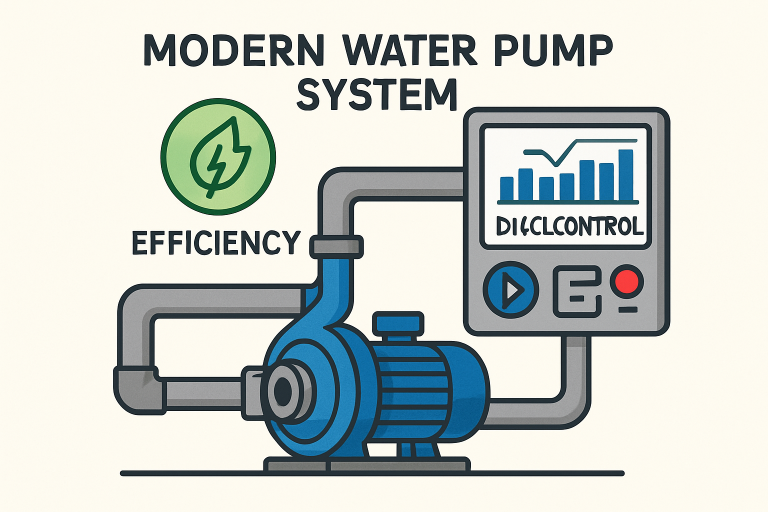
One of the most transformational advances has been the integration of Internet of Things (IoT) capabilities into water pumps. Smart pumps go beyond simple on-off control, offering real-time monitoring, remote control, and automated response to demand fluctuations. These advanced systems automatically adjust output based on facility needs, helping to eliminate waste and drive efficiency. According to reports, facilities implementing smart pumps have achieved energy savings of up to 50% compared to traditional fixed-speed systems.
Smart pumps also facilitate enhanced reliability by allowing facility managers to anticipate issues before they cause expensive disruptions. Through connected sensors and analytics, early alert systems can pinpoint abnormalities, allowing early intervention and influencing long-term planning for repairs and upgrades.
Variable Frequency Drives (VFDs)
Variable Frequency Drives represent another leap in efficiency and control for water pump systems. VFDs enable operators to tailor pump speeds to match the precise demands of the real-time system—whether for fluctuating process waters or peak domestic use periods. As a result, energy is consumed only as needed, extending the life of pump components and driving substantial cost reductions. Many organizations report payback periods of as little as 12 to 18 months from the energy savings alone.
By mitigating the risk of overpressure events or rapid cycling, VFDs not only yield a dramatic drop in maintenance frequency but also ensure smoother operation throughout a pump’s working life. This capability becomes even more critical for industries subject to variable demand or regulatory mandates on energy consumption.
Advanced Materials and Designs
Material innovation continues to play a pivotal role in water pump performance. Today’s top-tier pumps often feature high-performance alloys and advanced composites, engineered to withstand corrosive water, aggressive chemicals, or extreme temperatures. These materials reduce the risk of early failure and minimize costly downtime for repairs.
In parallel, optimization in pump and impeller design enhances hydraulic performance—translating into improved flow rates and lower energy requirements. Design improvements, particularly those driven by computer modeling and 3D prototyping, enhance reliability and overall efficiency.
Predictive Maintenance Strategies
Facilities that transition from reactive to predictive maintenance experience a significant reduction in unplanned downtime and avoid costly, emergency repairs. This strategy relies on an ecosystem of in-line sensors, data analytics, and predictive algorithms that monitor key parameters, including vibration, pressure, and temperature. When these indicators drift outside safe norms, maintenance teams are alerted to act before failures occur.
Advantages of Predictive Maintenance
- Reduced unscheduled downtime by up to 30%
- Lower annual maintenance costs
- Better resource allocation and longer pump lifespans
By combining advanced diagnostics with preventive action, organizations can also ensure compliance with regulatory requirements and bolster employee safety.
Energy-Efficient Sewage Pump Designs
Sewage pumping presents unique challenges, from clogging to variable flow conditions. Now, new generations of sewage pumps incorporate design features that reduce energy usage by up to 40%, resulting in significant municipal cost savings. These sophisticated pumps often feature clog-resistant impellers, automatic debris detection, and self-cleaning cycles, which bolster resilience in the face of harsh operating conditions.
Energy-efficient sewage pumps do more than conserve power; they minimize maintenance demands, avoid costly capacity drift, and prolong system operation even in demanding applications.
Case Study: Großostheim, Germany
The municipality of Großostheim in Germany exemplifies the benefits of adopting new water pump solutions. By replacing aging equipment with a modern booster pump set, the community increased its water delivery capacity from 180 m³/h to 230 m³/h—without consuming additional power. This upgrade not only boosted performance but also featured a compact, accessible design, reducing average repair time from several hours to just 30 minutes. Großostheim’s success illustrates the real-world impact of embracing advanced pump technologies for both efficiency and serviceability.
Economic Benefits of Pump Upgrades
Pumping systems can account for 80-90% of a facility’s total energy costs throughout the pump’s lifecycle. Upgrading to efficient, modern technologies often yields payback periods of less than three years—and the bulk of long-term savings come not only from lower energy consumption but also from reduced emergency maintenance and extended pump life. These compounded economic benefits enable facilities to reallocate funds to other key priorities while maintaining environmental responsibility.
Conclusion
Modern, efficient water pump solutions are fundamentally changing the landscape of facility management and infrastructure. With innovative controls, resilient materials, and predictive analytics, industries can achieve more sustainable, reliable, and economical water management. Facilities prepared to embrace these upgrades will set the standard for both operational excellence and environmental stewardship for years to come.
