
Key Takeaways:
- Understanding the symptoms and risks associated with alcohol withdrawal is crucial for safe management.
- Implementing supportive measures, such as hydration and nutrition, can alleviate withdrawal symptoms.
- Seeking professional medical advice is essential to ensure safety during the withdrawal process.
Understanding Alcohol Withdrawal
Alcohol withdrawal syndrome is a potentially serious condition that occurs when a person who has been drinking heavily for an extended period suddenly stops or drastically reduces consumption. The abrupt absence of alcohol disrupts the brain’s chemical balance, leading to a cascade of physical and psychological symptoms that can range from mild to life-threatening. If you or a loved one is considering safe, at-home withdrawal, it is important to equip yourself with a solid understanding of what to expect and how to respond. To learn about professional support options, you can find out more now.
Knowing alcohol withdrawal risks is vital, as complications like seizures and delirium tremens can occur. Not everyone will have severe symptoms, but it’s important to know when professional help is needed. Understanding your personal risk factors and history is a key first step to managing withdrawal safely. While home withdrawal may suit some, it’s not right for everyone.
Consulting a healthcare provider helps you understand the process and prepare a backup plan if symptoms worsen. Preparing for home withdrawal involves removing dangers, setting up support, and having a plan for medical help. Even mild withdrawal can unpredictably become dangerous, so preparation ensures safety and peace of mind.
Symptoms of Alcohol Withdrawal
Alcohol withdrawal symptoms can vary widely from person to person, but commonly include:
- Anxiety and restlessness
- Insomnia and disrupted sleep patterns
- Nausea, vomiting, and loss of appetite
- Increased heart rate or palpitations
- Sweating and shaking
- Hallucinations (in some cases, visual or auditory)
- Seizures in severe cases
These symptoms usually begin within six to twelve hours after the last drink and can peak within a couple of days. While many people only experience mild effects, it is essential to recognize signs of serious complications. If seizures, hallucinations, or high fever develop, immediate medical attention is necessary.
Preparing for At-Home Withdrawal
For those who choose to manage withdrawal outside of a medical facility, there are essential steps to take beforehand:
- Consult a Healthcare Professional: Before starting, speak with your doctor to assess health risks, receive personalized recommendations, and ensure it is safe to proceed at home.
- Create a Support System: Enlist trusted friends or family members to check in regularly and to be present if you begin to show signs of distress.
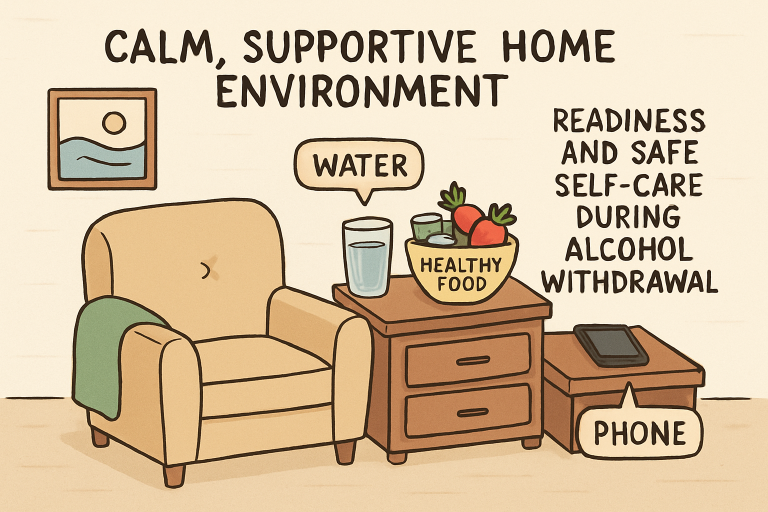
- Ensure a Safe Environment: Eliminate all alcohol from your home and remove items that could become harmful during confusion, agitation, or seizures.
Completing these steps maximizes your safety and establishes a foundation for success as you embark on recovery.
Supportive Measures During Withdrawal
Self-care during this critical period can help relieve discomfort and promote recovery. Key supportive measures include:
- Hydration: Drink water and electrolyte-rich beverages to combat dehydration and balance minerals lost during withdrawal.
- Balanced Nutrition: Focus on wholesome meals, even when your appetite is low, to provide your body with the nutrients it needs for recovery.
- Rest: Try to get plenty of sleep. Resting helps restore the systems impacted by alcohol use.
- Stress Management: Use relaxation methods such as deep breathing, mindfulness, or meditation to reduce anxiety and improve your comfort.
Familiarize yourself with tools and techniques to handle cravings and emotional turbulence. Resources from the National Institute on Alcohol Abuse and Alcoholism can provide further reading on supportive strategies and self-care during withdrawal.
When to Seek Medical Help
During the withdrawal period, it is important to closely monitor your symptoms. While many individuals can manage mild discomfort at home, certain warning signs indicate the need for immediate medical attention.
Seek professional help if you experience seizures or unexplained loss of consciousness, severe hallucinations such as seeing or hearing things that aren’t there, high fever or profuse sweating, or confusion, severe agitation, or disorientation. Uncontrollable shaking or tremors are also serious indicators.
In any of these situations, call emergency services right away, as prompt action can save lives and help prevent long-term health complications.
Long-Term Recovery Strategies
Withdrawal marks the beginning of recovery, but sustaining sobriety requires continuous strategies. Support groups such as Alcoholics Anonymous or online communities provide encouragement and accountability. Therapy addresses emotional triggers and underlying causes of alcohol use through behavioral and cognitive techniques. Additionally, adopting healthy lifestyle changes, like regular exercise, hobbies, and social activities, helps fill the void left by alcohol and supports long-term recovery.
Conclusion
Building new routines and relationships and seeking ongoing professional support increase your chances of lasting sobriety and personal growth.
While managing alcohol withdrawal at home is feasible for some, professional help is always available and can make a significant difference in both safety and recovery outcomes. Prioritizing your health means not hesitating to reach out when needed.
