
Key Takeaways
- HPN enables patients to receive vital nutrition at home, enhancing quality of life.
- Challenges include managing complications, psychological impacts, and economic burdens.
- Advancements in technology and support systems are improving HPN management.
Understanding Home Parenteral Nutrition
For individuals with compromised gastrointestinal function or chronic intestinal failure, Home Parenteral Nutrition (HPN) provides a crucial solution, delivering nutrients intravenously and allowing patients to live outside the hospital.
By choosing home-based care, patients can gain greater control over their daily routines and nurture a sense of normalcy amid ongoing medical treatment. The comfort of receiving nutritional therapy in a familiar environment—rather than in a clinical setting—can also foster a profound psychological and emotional benefit.
In this context, resources like Nutrishare Home TPN offer education on how home TPN (total parenteral nutrition) works and guidance on safely managing the therapy at home. This knowledge empowers patients and caregivers, ensuring optimal care and reducing the likelihood of hospital readmissions.
HPN not only sustains life for those unable to process nutrients through their digestive system, but it also enables more active participation in family and social activities. The motivation to remain connected with daily life strengthens overall psychosocial health, and a focus on home-based nutrition can provide relief from the stressors associated with frequent hospital stays and medical appointments.
Patients with conditions like short bowel syndrome, Crohn’s disease, or certain types of cancer often struggle with traditional oral or enteral feeding options. HPN bridges the gap, serving as both a life-sustaining therapy and a means to improved independence and dignity.
As the landscape of home infusion evolves and more individuals consider HPN as an option, comprehensive education and ongoing clinical support from healthcare professionals remain crucial. Successfully transitioning to in-home nutrition management requires an understanding of both the technical and emotional aspects of therapy. For insights on broader nutrition and patient support, visit the Mayo Clinic’s overview of parenteral nutrition.
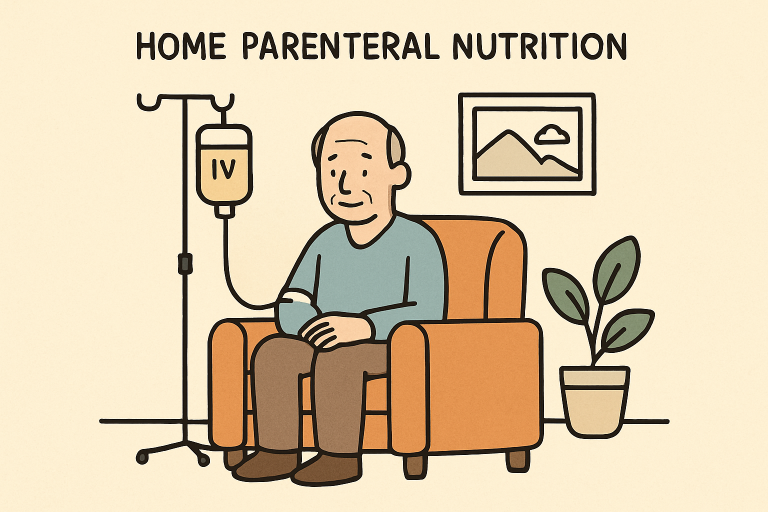
Benefits of Home Parenteral Nutrition
The positive impact of HPN on an individual’s well-being and day-to-day living is profound:
- Enhanced Independence: HPN enables patients to leave the hospital and receive treatment in the comfort of their own home, thereby restoring autonomy lost due to chronic illness.
- Improved Quality of Life: Being at home means enhanced mental health and social engagement, as patients can more easily interact with loved ones and participate in meaningful activities.
- Cost-Effectiveness: Managing nutrition at home is less expensive than hospital-based care, with studies showing a 32–36% reduction in costs for the healthcare system and families. Education, patient support, and case management have all contributed to better outcomes and fewer complications.
Families often experience relief from both the emotional and financial strain as hospitalizations diminish and routines become stabilized. The flexibility gained through HPN allows patients and caregivers to strike a balance between health needs and personal goals. The support of specialized pharmacists, nurses, and dietitians is integral to ensuring safe therapy and timely troubleshooting of any complications.
Challenges Associated with Home Parenteral Nutrition
While the advantages of HPN are significant, challenges remain that can affect patients and caregivers alike:
- Risk of Infections: The presence of a central venous catheter creates a pathway for bacteria, increasing the risk of bloodstream infections. Vigilant catheter care and timely intervention are critical.
- Psychological Impact: Many patients must cope with dependence on medical technology and the social limitations it can impose. One study found that 70% of HPN recipients report dependence-related distress, highlighting the importance of emotional support and structured social engagement.
- Economic Burden: The cost of compounding HPN solutions has increased dramatically in recent years, while insurance reimbursement rates have not kept pace. This financial tension leaves both providers and patients facing increased economic challenges.
The necessity of strict aseptic techniques, ongoing supply management, and the risk of mechanical complications such as catheter blockages or nutrient imbalances adds additional complexity. Prompt recognition of early symptoms and clear communication with healthcare teams are vital to maintaining the safety and efficacy of therapy.
Managing Complications and Ensuring Safety
Central to successful HPN therapy is an intentional focus on preventing complications through education and close monitoring.
- Regular Monitoring: Frequent laboratory tests and assessments are necessary to promptly detect signs of infection, electrolyte imbalances, or liver dysfunction. Remote monitoring and telemedicine support are increasingly shaping routine follow-up.
- Patient Education: Comprehensive training in catheter care, infusion pump management, and signs of common complications empowers patients and caregivers to respond quickly and avoid emergencies.
- Multidisciplinary Support: A diverse team—including physicians, nurses, pharmacists, dietitians, and social workers—tailors nutritional formulas, addresses complications, and supports the individual’s holistic health journey.
Continual improvement in care models and access to telehealth services have substantially improved the safety profile and success rate for patients on HPN. According to the Mayo Clinic, this collaborative and multidisciplinary approach is crucial to achieving positive outcomes and preserving patient autonomy.
Psychosocial Considerations
The psychosocial aspects of living with HPN are as critical as medical complications. Chronic dependence on therapy can bring about significant feelings of isolation and frustration:
- Social Isolation: Time-consuming infusion regimens and fear of device complications may discourage participation in social outings, events, or holidays.
- Emotional Distress: Patients may experience anxiety or depression related to their dependency, unpredictability of health, or changes to self-image.
Programs offering peer mentorship, professional counseling, and patient-to-patient support foster connection and resilience. Advocacy groups and online communities are also valuable in reducing stigma, sharing coping strategies, and enhancing social engagement for those navigating long-term HPN.
Economic Implications
Financial challenges for patients on HPN are mounting due to escalating costs and declining insurance reimbursement rates. The increased financial burden has led to a decrease in home infusion providers, thereby limiting patient access to necessary therapy.
Collaborative advocacy efforts and policy reform are required to protect and expand access to HPN, including the development of more effective reimbursement strategies and support for families facing persistent out-of-pocket expenses.
Public awareness and legislative engagement remain crucial for maintaining access to therapy and reducing economic disparities among vulnerable populations.
Future Directions and Innovations
Ongoing advancements in technology and policy are shaping the evolution of home parenteral nutrition:
- Technological Innovations: Smart infusion pumps, remote monitoring systems, and portable mixing devices provide patients with greater independence and peace of mind, enabling earlier detection of complications and improved adherence.
- Policy Reforms: Efforts at the institutional and governmental levels to create supportive reimbursement mechanisms and invest in home care infrastructure are beginning to yield dividends in terms of access and quality.
As both patient and provider communities continue to share knowledge and champion the cause, the future of HPN looks increasingly optimistic, promising new standards for home healthcare.
Conclusion
Home Parenteral Nutrition provides life-sustaining support for individuals who are unable to meet their nutritional requirements through traditional means, unlocking essential freedoms and improving the quality of life.
Addressing the inherent challenges—medical, psychological, and economic—requires a comprehensive, multidisciplinary approach driven by innovation, education, and sustained advocacy.
Through ongoing advancements, the goal remains clear: to make HPN safer, more accessible, and empowering for individuals and families worldwide.
