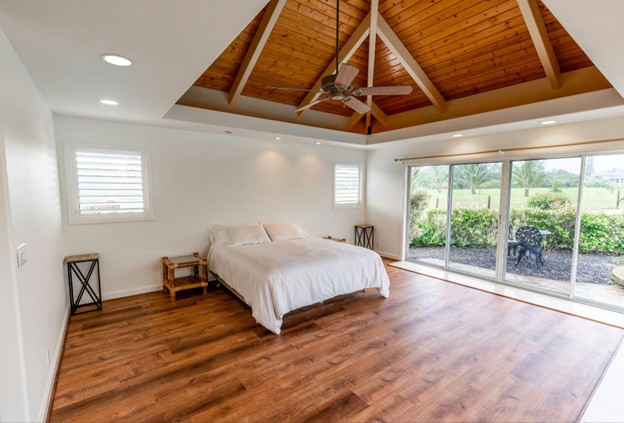
Modern residential design increasingly reflects a balance between architectural innovation and thoughtful outdoor spaces. As cities grow and housing demands evolve, developers and homeowners alike are focusing on design elements that improve both aesthetics and functionality. Contemporary properties now often integrate indoor comfort with outdoor features that enhance usability, visual appeal, and overall property value.
Architectural planning today frequently includes rooftop terraces, landscaped outdoor areas, and structural features that create a strong connection between indoor and outdoor environments. These elements not only improve the living experience but also contribute to the identity and character of modern residential properties.
Urban Architecture and Elevated Living Spaces
In many cities, residential architecture has evolved toward vertical living. High-rise developments maximize limited urban land while offering residents expansive views, modern amenities, and access to vibrant city neighborhoods.
Buyers exploring premium urban properties often examine listings such as seattle penthouses to understand how high-rise residences incorporate design features like panoramic windows, private terraces, and rooftop entertainment spaces.
Penthouses and other elevated residences typically emphasize open layouts and natural light. Large glass panels, floor-to-ceiling windows, and minimalist interior design allow the surrounding cityscape to become part of the living environment. These architectural choices create a sense of openness even in densely populated urban settings.
The Role of Outdoor Design in Property Value
Outdoor design plays an increasingly important role in modern property development. Well-designed outdoor spaces provide areas for relaxation, entertainment, and visual enhancement. Landscaping, patios, and rooftop gardens can transform otherwise unused spaces into functional extensions of the home.
Architects and designers often consider how outdoor elements complement the structure of a property. Materials used for pathways, terraces, and outdoor furniture are chosen to align with the overall design language of the building.
Outdoor lighting, water features, and carefully arranged greenery also contribute to the ambiance of residential spaces. These elements create inviting environments while improving the visual harmony between built structures and natural surroundings.
Vertical Elements and Landscape Features
Vertical design features can significantly influence the appearance of outdoor spaces. Tall structures such as pergolas, sculptural installations, and architectural lighting columns add dimension to landscaping plans. These elements create focal points that draw attention and define different areas of a property.
In some residential settings, decorative or symbolic structures can also play a role in landscape design. For example, property owners sometimes incorporate features like a 40 ft flag pole within larger open spaces or landscaped grounds, particularly in large estates, commercial properties, or community developments where vertical features complement expansive outdoor areas.
These elements contribute not only to visual balance but also to the overall character of the property’s outdoor environment.
Integrating Architecture With Natural Surroundings
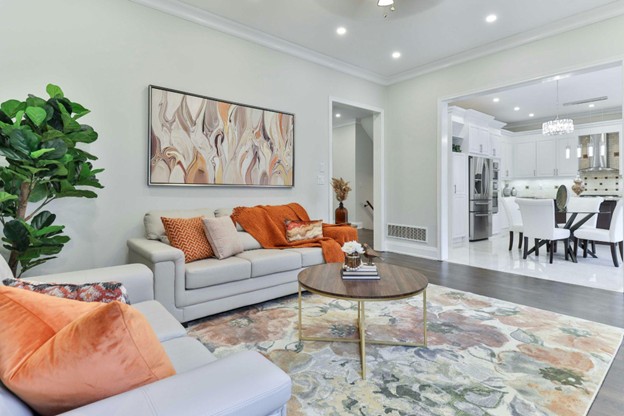
Photo by Lotus Design N Print on Unsplash
One of the defining principles of modern architecture is the integration of built structures with natural surroundings. Architects increasingly design homes that blend seamlessly with their environment rather than standing apart from it.
This approach can be seen in the use of natural materials such as wood, stone, and glass. These materials create continuity between interior living spaces and the surrounding landscape.
Outdoor living areas are also designed to encourage interaction with nature. Covered terraces, rooftop gardens, and outdoor kitchens allow residents to enjoy open-air environments without sacrificing comfort.
Sustainable Design and Environmental Considerations
Sustainability has become a central theme in modern property design. Architects now incorporate energy-efficient systems and environmentally responsible materials into residential construction.
Green roofs, solar panels, and rainwater collection systems are increasingly common features in contemporary buildings. These technologies help reduce environmental impact while improving long-term operational efficiency.
Landscaping strategies also play a role in sustainable design. Native plants, water-efficient irrigation systems, and permeable paving materials help reduce resource consumption while maintaining attractive outdoor spaces.
According to the U.S. Green Building Council, sustainable building practices focus on reducing environmental impact while improving occupant health and resource efficiency.
Lighting and Visual Atmosphere in Outdoor Design
Lighting design is another important element in modern property development. Exterior lighting not only improves safety and visibility but also enhances the visual atmosphere of outdoor spaces.
Architectural lighting can highlight building features, illuminate pathways, and create dramatic effects that emphasize landscaping elements. Soft ambient lighting around seating areas or gardens can transform outdoor environments into comfortable evening gathering spaces.
Designers often combine functional lighting with decorative fixtures to achieve a balanced aesthetic that complements the architectural style of the property.
Functional Outdoor Living Spaces
Today’s residential architecture increasingly treats outdoor areas as extensions of interior living spaces. Patios, balconies, and rooftop terraces are often designed to function as outdoor living rooms where residents can relax, socialize, or work remotely.
Features such as weather-resistant furniture, fire pits, and outdoor kitchens make these areas usable throughout the year. In urban environments where indoor space may be limited, thoughtfully designed outdoor areas provide valuable additional living space.
These functional outdoor environments also support modern lifestyles that prioritize wellness, relaxation, and social connection.
The Future of Integrated Property Design
As architectural innovation continues to evolve, the relationship between buildings and outdoor environments will likely become even more sophisticated. Designers are increasingly exploring ways to integrate technology, sustainability, and natural elements into cohesive residential environments.
Smart home systems, automated lighting, and climate-responsive architecture are already influencing how modern properties are built and experienced. Combined with creative landscape design and thoughtful architectural planning, these innovations are shaping the next generation of residential spaces.
Modern properties today reflect a holistic approach to design, one that considers both the architectural structure and the surrounding environment. By integrating indoor and outdoor elements thoughtfully, contemporary developments create living spaces that are both functional and visually compelling.
