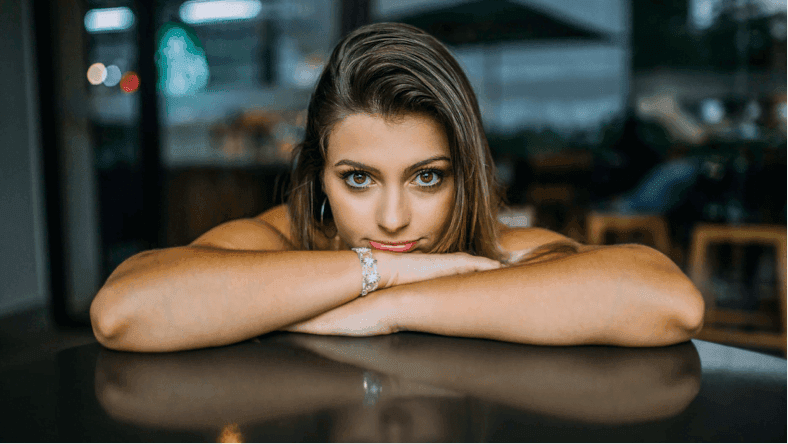
Portrait photography is fun and full of interest. Most cameras have an automatic portrait mode that makes it easy to handle. You can try different shots with the subjects around you, including your friends, family, and relatives. One nice thing about portrait photography is that it gives you the freedom to stretch your imagination. Still, amateur photographers often feel intimidated and face pressure from their subjects, especially when those subjects are anxious to see the final images.
Your chances of getting good shots go up once you break through that intimidation. Being nice, friendly, and easy to like are qualities of good people photographers, so you need to develop interpersonal skills to do well here. Below are some tips to help you build the skills for taking good portraits.
#1: Communication
The most important quality in a good portrait photographer is communication. Talking with your subject adds some life to the shoot. Telling your subjects how good the photos look boosts their confidence and makes them more relaxed about trying any position you suggest. Cracking a few light jokes can lift their expression and make them more open. If you are an introvert, you may have to step out of your comfort zone. This is a job, and turning things up a notch pays off. Be cheerful, talk, and play to keep the sessions smooth.
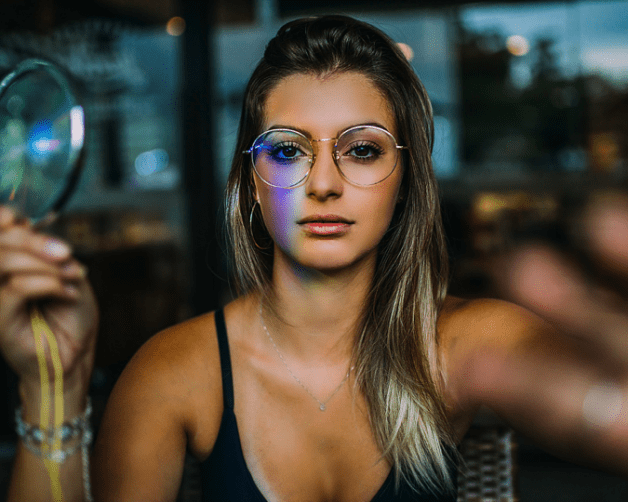
#2: Take a break and show the goods
A good trick is to pause now and then and show your subjects some of the photos you have taken on the back of your camera. This excites them and reassures them that good pictures are coming. One quick word of advice to keep their smiles: keep the not-so-good images out of sight.
#3: Control the depth of field
You need to know how to set your camera to aperture priority mode so you can control the depth of field and what you want in focus. You do not have to keep everything in the frame sharp, especially at events like a birthday or wedding. A wide aperture of f1/8 can screen out the background and give it a blurry look.
#4: Pick the appropriate lens
For good portraits, Canon and Nikon make lenses with a suitable focal length and an aperture of 500mm f1/8 that can blur the unwanted parts of a photo’s background. Digital cameras with a standard kit zoom (typically around an 18-55mm focal length range) work well for this screening effect. You do not have to zoom in and out; just changing your position by moving your feet can give you good images.
#5: Match up clothing and location
The color of the subject’s clothing and the background need to work together to create an attractive feel. For example, when you shoot a model wearing muted colors, make the background a little bright to create contrast and help the model stand out. Colors like pink, light blue, yellow, and orange are fairly loud, so mute the background in those cases. You can also try an image enhancer during post production for a better result.
#6: Give people some freedom in their natural environment
You do not have to shoot every portrait in the studio; it can look too serious and get boring. Photos taken in a natural setting are far more interesting, since you can catch good moments without the subject’s awareness. Let people do what they love without thinking about the exact moment of the shot. It can be a hassle to dress a child up for a studio photo, and the crying and tantrums are not needed, so let them play with toys and games while you take pictures at different moments. This approach has produced shots far better than studio work. You may need some editing software once you get back to your studio. You can check out the best photo editing software for 2019.
#7: Work the pose
Some subjects have no idea about the different postures (female poses, for instance) for a good photo, so you can help by asking them to look in different directions. Shoot from different angles, from above and from the sides. Talk to them, and a little flattery goes a long way toward getting them to follow your suggestion. You can take different shots without them moving from one spot to another; just moving the feet and hands gives you a variety of postures. Then you can pick the best shot from all the positions you captured.
#8: Consider more people in cases of shy subjects
One way to boost the confidence of a shy subject who is in for a personal portrait is to suggest a group photo with close friends or family. This keeps their nerves in check and puts them at ease. Children can be all smiles when they pose with friends, especially when their parents are away. Capture moments of close conversation between friends, since they express themselves better in familiar company.
#9: Purpose for the shoot
Some photos serve a specific purpose beyond general viewing. Portrait pictures for a wedding announcement do not have to be in a vertical orientation. You can take a slanted or horizontal picture to leave room for important text. Pictures for media profiles can be made bold and larger by shooting in a vertical orientation.
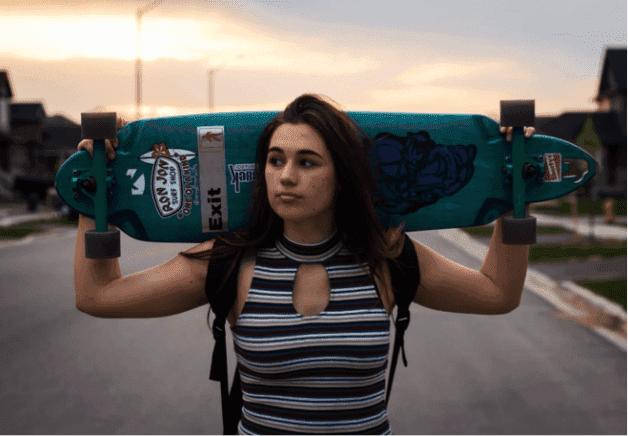
#10: Try to introduce a prop to relax your subjects
People can be camera-shy when they find themselves alone with someone carrying a giant lens. They stiffen up, and the images come out flat and lifeless. Try adding a prop, such as bubble gum to play with. Couples sometimes come alive when they have to blow bubbles. Kids get excited when there is a toy around or a game to play. You could add some music to liven up the studio. These props and many others help your subjects relax and come alive, which brings out good smiles and postures even when you do not suggest them. Children can get distracted, stop the tantrums, and dance to the sounds around them. You do not have to include these props in the frame.
#11: Get creative with frames
Try photographing your subject looking through a window, leaning against a wall, or lying down on a smooth surface. This gives good portraits with a strong feel. Put toddlers in cribs and let them look into the camera through the bars. These positions, and many others, make good portrait photographs.
