
Key Takeaways
- Medically supervised detox ensures 24/7 care and management of withdrawal symptoms for optimal safety.
- Treatment is highly personalized, factoring in an individual’s health status and substance use history.
- Emotional and psychological support is a central part of the process.
- Detox is only the first step in a continuum of addiction care and recovery.
Taking steps to address substance dependence is a significant milestone. The initial phase—medically supervised detox—provides professional support to improve comfort and outcomes, managing physiological and psychological effects for a safer experience than self-detox. Embarking on recovery shows courage and hope. For many, entering a supervised detox is the first crucial step, offering structure, oversight, and emotional well-being, laying a solid foundation for recovery. For those considering their options, exploring detox in Boulder, Colorado is an excellent way to begin making informed choices.
Understanding what to expect during this phase relieves anxiety and replaces uncertainty with empowerment. The process involves round-the-clock care from trained medical professionals who monitor withdrawal symptoms and address individual health concerns. Each person’s experience is unique, shaped by their substance use history, overall health, and emotional needs. With tailored treatment, participants are given the best chance for a smooth detox and successful transition into ongoing care. Apart from physical stabilization, the early recovery period can be emotionally turbulent.
Patients often experience a range of feelings from fear and sadness to hope and relief. Programs are designed to address the psychological impact of withdrawal in addition to the physical challenges, providing guidance, counseling, and a calm, supportive environment. This article offers a comprehensive overview of medically supervised detox, including key stages, common symptoms, and the importance of emotional support. It is intended for anyone considering detox, as well as their loved ones or support networks. For evidence-based insights on the detoxification process and recovery, see this resource from the National Institutes of Health.
Understanding Medically Supervised Detox
Detox in a clinical setting means that individuals are under constant care as their bodies adapt to the absence of drugs or alcohol. Medical teams assess health conditions, monitor withdrawal symptoms, and provide critical interventions as needed. Each plan is individualized, considering the specific substance used, the duration and intensity of use, co-occurring medical and mental health issues, and personal preferences. This structured approach dramatically reduces health risks and supports smoother transitions to further stages of recovery.
The Detox Process
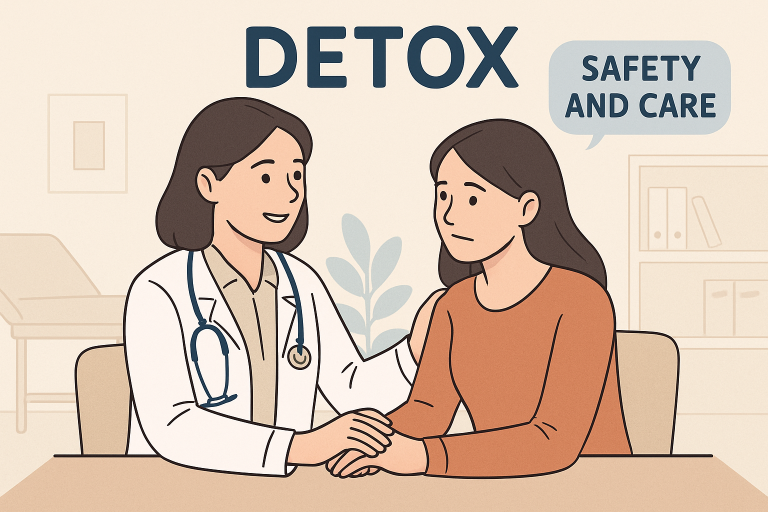
Assessment and detoxification involve a detailed process initiated by medical professionals who perform a comprehensive evaluation of individuals entering a detox program. This assessment includes reviewing medical histories, understanding substance use patterns, and identifying mental health concerns. The stabilization phase follows, where patients are administered medications or therapeutic interventions aimed at alleviating withdrawal symptoms, managing cravings, and addressing emotional disturbances, with continuous support from doctors, nurses, and mental health professionals.
Detox serves as a starting point, and before discharge, individuals receive counseling and referrals for further inpatient or outpatient treatment. This thorough planning for ongoing therapy and support groups is crucial to prevent relapse and tackle the underlying causes of addiction. Common withdrawal symptoms, which can be challenging and potentially dangerous, encompass anxiety, depression, nausea, vomiting, insomnia, muscle pain, and, in severe cases, seizures. These symptoms can differ greatly based on the type of substance used, duration of use, and individual health conditions, making medical supervision imperative for effective symptom management, complication prevention, and swift intervention during adverse events.
Importance of Medical Supervision
Self-detox, or quitting substances “cold turkey,” can be life-threatening in some cases. Alcohol, benzodiazepines, and opioids, in particular, can lead to seizures, heart complications, or severe psychological distress if not managed properly. Delirium tremens, a dangerous complication of alcohol withdrawal, illustrates the risk of unsupervised detox. Medically supervised facilities are equipped to provide not only medications to control symptoms but also emergency care when required. The daily presence of skilled healthcare providers offers both reassurance and real protection.
Emotional and Psychological Support
Detoxification is not just about physical healing. The process is often emotionally charged, as patients confront fears, regrets, and anxiety about life changes ahead. Support systems are in place to offer therapy, counseling, and peer interaction. These resources enable individuals to process their feelings and build coping skills. The emotional support provided during detox can make a vast difference, helping patients remain committed to their treatment plans and progress to subsequent stages of recovery.
Transitioning to Further Treatment
The completion of detox marks the beginning of a longer recovery process. Patients are encouraged to continue treatment in a structured setting, whether through inpatient rehab, outpatient services, or ongoing therapy. These next steps are critical because detox alone does not address the underlying psychological and behavioral issues associated with addiction. Ongoing support helps individuals build resilience, find new coping strategies, and reduce the likelihood of relapse.
Conclusion
Understanding the details of a medically supervised detox program is empowering for people facing addiction and their loved ones. With a supportive team, carefully managed withdrawal, and integrated emotional care, detox can be a manageable and hopeful start to recovery. Whether you are considering detox or exploring other options, remember that with professional guidance and ongoing support, the path to lasting wellness is within reach.
