
The gaming industry keeps shifting as technology and game development open new ground in graphics, delivery, and the way people play together. Keeping up with the latest releases and equipment can get expensive, so you can use equipment. to make your purchases easier, or turn to UnitedGiftCards when you want to plan spending without a surprise on the bill. Knowing what is coming helps you get ahead of the changes rather than falling out of the loop. Several of the trends shaping the future are worth watching closely, though most of them are a mix of business, consumer, and technology factors. Some are only now gaining ground, but they are coming. Here is a closer look at each one and what it means for players and the companies that serve them.
Games delivered as a service
Game software has grown complex enough that shipping it on discs no longer makes sense. That is why walking into a retail store rarely gets you the titles and versions available online through sellers like UnitedGiftCards. Distributors have also reworked their business models to grow revenue in ways a one-time disc sale never allowed. Many games now launch free to play and run as a service, earning money over months instead of at a single checkout.
Longer engagement does not always mean more time inside the game. It can come from add-on packages, seasonal content, and the growth of professional gaming such as esports. This model rewards games that keep giving players reasons to return, and it changes how you budget for the hobby. Instead of one purchase, you spread spending across a season, which is one reason prepaid credit is handy for keeping the total in view.
Multi-screen entertainment
Gamers no longer have to quit their day jobs or stay glued to the couch to reach their favorite titles. Smartphones and tablets have become gaming devices in their own right, and that has reshaped how people move between screens. The early idea was to run a single franchise across several screens at once. What game makers have learned since is that people prefer one device for playing, usually a PC or TV, and another, a tablet or phone, for watching gaming content.
So the shift has moved away from multi-screen access toward a cross-screen entertainment franchise. A viewing audience that never picks up a controller is opening real business opportunities. Professional gamers who have built their own networks and followings have become natural partners for brands that want to reach that audience.
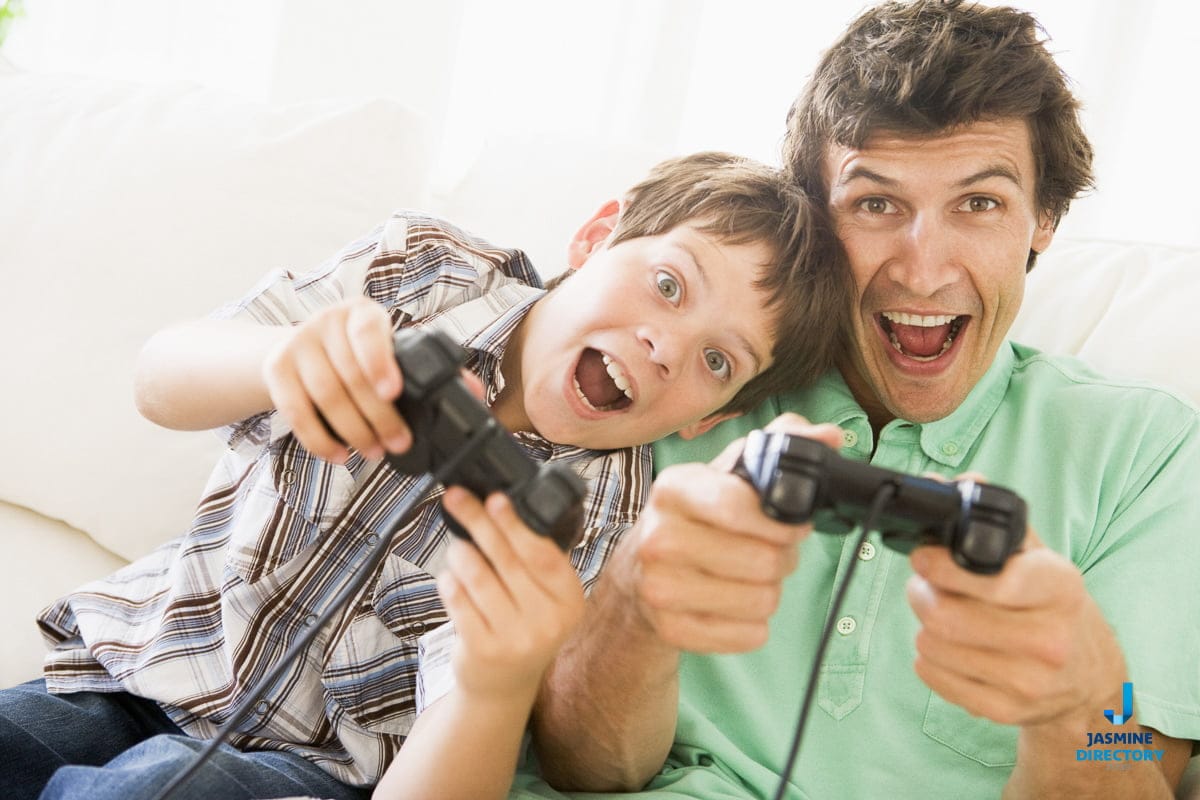
Live streaming and creator tools
Interest in music on YouTube is closely followed by interest in gaming, whether it comes from a novice walking through a first playthrough or a professional live streaming tips and gameplay. The scale is hard to overstate: the number of monthly Minecraft views on YouTube has been estimated to exceed the number of people connected to the internet worldwide. As one of the most popular games in the medium’s history, it is exactly the kind of title where you could use UnitedGiftCards to buy access as a gift for a friend new to the scene.
Watching game content now rivals playing it. Hours spent viewing have exploded among players and non-players alike, and the games with the most to offer in creativity or competition make up the bulk of what gets watched and shared by millions. This is also where discovery happens. People find their next game by watching someone else play it, which means being visible on the platforms where audiences already gather matters as much as the game itself.
Watching narrows the field only so far, and choosing a card game by play style still comes down to pacing, complexity and how much collecting appeals to you.
Gaming communities
Because so many people turn to the Internet for streaming and gaming help, video channels and communities have grown up around favorite franchises. The access packs sold by UnitedGiftCards are evidence of how much demand there is for certain content. Social networks now host on-demand and live video that plays across tablets and phones, and the TV is catching up as digital channels make it simpler to plug into community content on the biggest screen in the house.
Communities work partly because people trust other people more than they trust marketing. Robert Cialdini, in the expanded edition of Influence: The Psychology of Persuasion (2021), describes social proof as the way people decide what is correct by finding out what others think is correct. That is the mechanism behind reviews, ratings, and the crowded comment threads under a popular stream. It is also why a curated recommendation, whether a listing, a channel, or a trusted directory, carries weight when someone is deciding what to try next.
Content sharing
Players help make certain games popular simply by sharing video of them. Younger consumers tune in to a favorite gamer or YouTuber to figure out what is popular and what suits their skill level. Digital media puts the efforts of other players on display, and both gamers and non-gamers often spend more time watching this kind of content than improving their own play. For many younger viewers, that watching feels as satisfying as picking up a controller and engaging with the brand directly on a console or PC.

Increased involvement opportunities
People want more than a game to play. They want to be involved and to help create cool content. Titles like Minecraft already have strong elements of personal creation, but the engagement players now expect mirrors the path of content creators who became gaming celebrities. Instead of only sharing a gift card or access pack from UnitedGiftCards, they want a hand in shaping the game itself. Giving feedback, competing in esports, or running their own tips channel on YouTube has become as important to them as the playing.
What this means if you buy or sell in gaming
These trends point in one direction: attention is spread across playing, watching, sharing, and creating, and money follows that attention. If you are a player, prepaid credit is a practical way to keep spending visible when games charge across a whole season rather than once. If you sell or promote games, the lesson is that being findable where people already look, on streaming platforms, in communities, and in the places that recommend and organize options, is now part of the product.
Game makers, content creators, and players all have plenty ahead of them. The concrete takeaway is simple: decide how you want to spend before the season starts, watch a few streams to see whether a title fits how you actually play, and treat the community around a game as part of what you are buying.
