
The Strategic Shift to Digital Marketing and Automation
The business world moves fast. To grow and stay ahead, companies must use modern tools. Digital marketing and AI automation are no longer just options. They are vital for success.

These powerful tools help businesses of all sizes. They make it possible to connect with more customers. They also create truly personal experiences for each one. This helps drive efficiency and growth like never before.
This extensive guide will show you how to harness this power. We will explore how digital marketing and automation can transform your operations. We will look at the clear benefits compared to old methods. You will learn about AI’s role, how teams can work better together, and how to track your progress. A strong foundation, starting with a clear Digital marketing branding strategy, is key to success in this new landscape.
In today’s digital environment, relying solely on traditional marketing methods is akin to navigating a modern highway with a map from the last century. Traditional marketing often involves manual, repetitive tasks across various channels, leading to inconsistent messaging and a significant drain on resources.
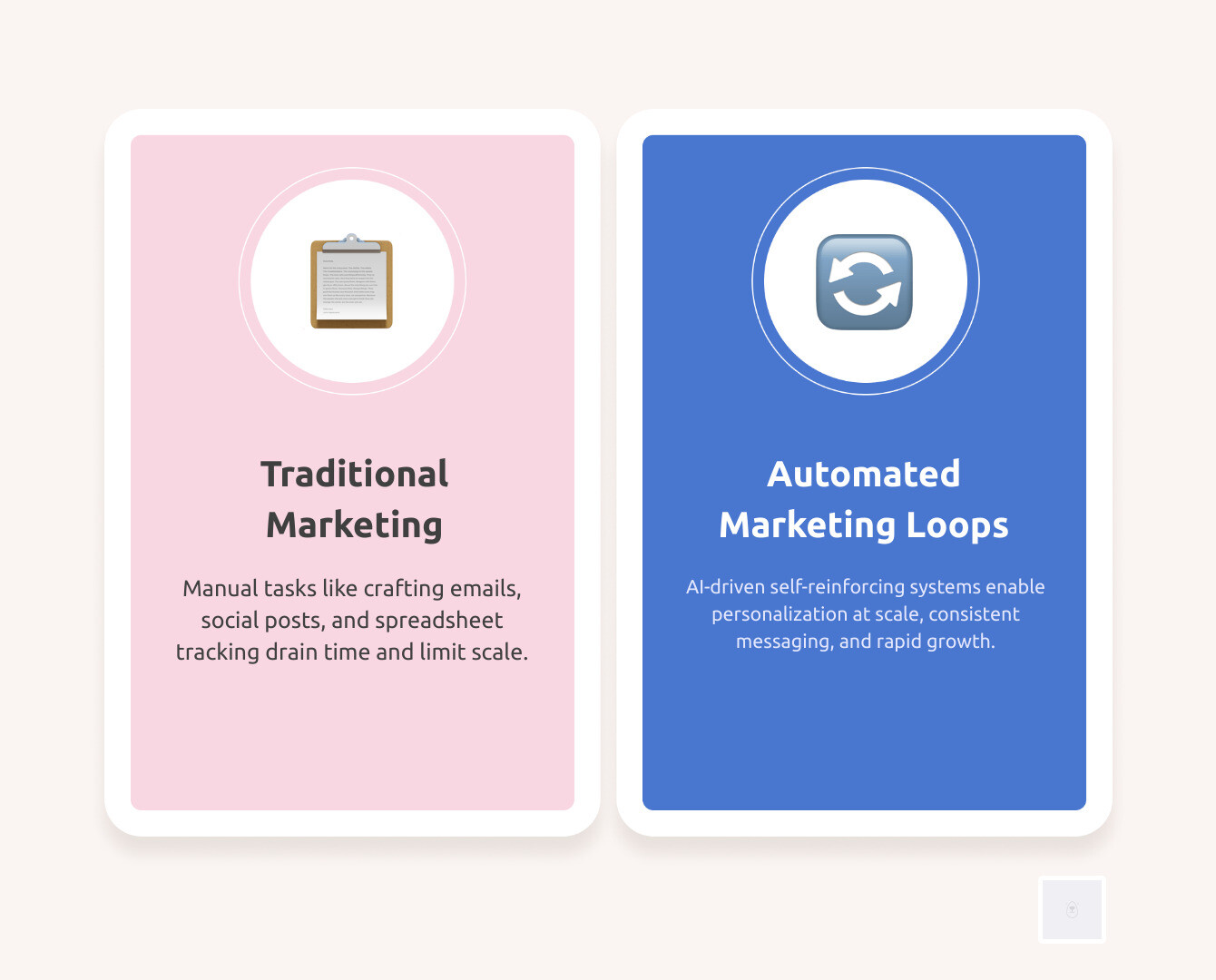
Think of crafting individual emails for every customer segment, manually posting on social media, or tracking lead progress through spreadsheets. This approach is not only time-consuming but also severely limits the ability to scale and personalize interactions effectively.
Marketing automation, by contrast, is the strategic use of software to automate repetitive marketing tasks. This includes email marketing, social media posting, ad campaigns, lead nurturing, and customer relationship management. The fundamental difference lies in efficiency and scalability. While traditional methods are inherently manual and linear, automation orchestrates complex, multi-channel customer journeys with precision and at a scale previously unimaginable. It transforms marketing from a series of disconnected campaigns into a cohesive, data-driven ecosystem.
The benefits of this strategic shift are profound for both businesses and nonprofits. For businesses, it translates into enhanced lead generation, improved conversion rates, and a stronger return on investment. Nonprofits gain the ability to foster deeper donor relationships, streamline fundraising efforts, and amplify their mission’s reach without needing a massive team.
By automating routine tasks, organizations free up valuable human capital to focus on strategic thinking, creative content development, and genuine human connection—areas where automation complements rather than replaces human ingenuity.

Personalizing the Journey with Digital Marketing and Automation
One of the most compelling advantages of digital marketing and automation is its capacity to deliver truly personalized customer journeys at scale. In an era where consumers expect relevant, timely interactions, generic messaging simply won’t cut it. Marketing automation leverages data collected from every customer touchpoint—website visits, email opens, past purchases, social media engagement—to build a comprehensive 360-degree view of each individual.
This rich data allows for dynamic content that adapts in real-time based on user behavior and preferences. Imagine a website that changes its layout and product recommendations for a returning visitor, or an email campaign that automatically sends follow-up messages tailored to whether a recipient opened the previous email or clicked a specific link.
This is the power of behavioral triggers, which initiate automated workflows based on predefined actions or inactions. This level of personalization extends beyond merely inserting a first name; it involves anticipating needs and delivering precisely what a customer is looking for, often before they even realize it. For a deeper dive into creating tailored experiences, explore how automation enables Personalized Customer Journeys at Scale.
Effective automation also ensures seamless multichannel coordination across email, social media, SMS, and web. A customer’s journey is rarely confined to a single platform, and automation ensures that interactions are consistent and complementary, regardless of the channel. This creates a unified brand experience, reducing friction and guiding individuals smoothly through the sales or donor funnel.
Moreover, techniques like progressive profiling allow us to gather more information about contacts over time, gradually enriching their profiles without overwhelming them with lengthy forms. This iterative data collection fuels even more precise personalization, building trust and engagement.
Measuring Success in Digital Marketing and Automation
The shift to digital marketing and automation isn’t just about doing things faster; it’s about doing them smarter and with measurable impact. One of the most critical components of an effective digital marketing strategy using automation is its inherent ability to track and analyze performance with precision. We move beyond guesswork to data-driven decision-making, understanding exactly what works and why.
Attribution reporting, for instance, allows us to trace conversions and revenue back to specific marketing touchpoints, providing clear insights into which campaigns and channels are most effective. This is crucial for optimizing budgets and focusing resources on strategies that yield the highest returns. Consider the impressive statistic that email marketing alone boasts an average ROI of $36 for every dollar spent. Automation helps us maximize this by segmenting audiences, personalizing content, and scheduling sends for optimal engagement, further boosting that ROI.
Beyond direct conversions, we can implement engagement scoring to assign values to various customer interactions, helping to identify and prioritize the most promising leads or donors. Analyzing conversion path analysis reveals the typical journey customers take before converting, highlighting bottlenecks and opportunities for optimization.
Robust ROI calculations become possible, demonstrating the tangible value that marketing automation brings to the bottom line. This level of insight empowers businesses and nonprofits to continuously refine their strategies, ensuring that every marketing dollar is spent effectively and contributes to overarching organizational goals.
Table: Manual Campaign Management vs. AI-Driven Autonomous Execution (2026)
The integration of Artificial Intelligence (AI), particularly generative AI, is rapidly redefining the landscape of modern marketing automation. Far from being a futuristic concept, AI is already serving as a powerful copilot, enhancing every facet of our marketing efforts. Generative AI, with its ability to create new content—from text and images to videos and code—is supercharging existing automation processes and unlocking unprecedented levels of efficiency and personalization.
McKinsey predicts that generative AI will increase marketing productivity by up to 15% of total marketing expenditure, an estimated USD 463 billion annually. This staggering figure underscores the transformative potential of these technologies. More than three out of four CMOs acknowledge that generative AI will fundamentally change how marketing operates, recognizing its capacity to handle the surging demand for content.
In fact, there has been a 93% increase in business demand for content since 2023, with 90% of marketing leaders stating content marketing is more critical now than ever. Organizations are already leveraging GenAI, with 47% using it to brainstorm content ideas, a significant jump from 28% in 2023.
The role of AI in modern marketing automation extends across several critical areas:
- Hyper-personalization at Scale: AI analyzes vast datasets to understand individual customer preferences, behaviors, and even emotional cues. Generative AI can then craft unique, highly relevant messages, product recommendations, and even entire content pieces tailored to each person. This moves beyond basic segmentation to true one-to-one marketing, where content is not just personalized but contextually generated for maximum impact.
- Content Creation and Optimization: Generative AI can rapidly produce countless variations of marketing copy, email subject lines, social media posts, and ad creatives. This allows marketers to iterate and optimize content at speed, testing different versions to find what resonates best with specific audiences. It also helps in identifying content gaps and generating ideas to fill them, streamlining the entire content supply chain.
- Predictive Insights and Strategy: AI’s analytical capabilities go beyond reporting past performance. It can identify hidden patterns in customer data, predict future trends, and forecast campaign outcomes. This allows for proactive strategy adjustments, optimizing campaigns before they even launch. For businesses looking to integrate cutting-edge AI into their marketing automation, exploring platforms like Onepath AI marketing automation can provide significant advantages.
- Workflow Automation and Efficiency: AI can automate complex decision-making within marketing workflows, such as lead scoring, dynamic audience segmentation, and even determining the optimal time and channel for message delivery. This minimizes manual, low-value tasks, freeing up marketing teams to focus on higher-level strategy and creativity.
Looking ahead to 2026 and beyond, the future of marketing automation is inextricably linked with emerging AI technologies. We anticipate even more sophisticated AI models that can understand nuances in human language and emotion, leading to even more empathetic and effective customer interactions. AI will increasingly act as a strategic partner, not just an execution tool, helping marketers navigate complex data landscapes and discover new growth opportunities. For further insights into this evolving landscape, consider reading more on how generative AI can boost consumer marketing. The competitive advantage in 2026 will undoubtedly belong to those who effectively harness AI to drive their marketing automation efforts.
Integrating Automation Across Team Silos
One of the most significant challenges for growing businesses and organizations is the fragmentation of customer data and processes across different departments. Marketing, sales, and customer support often operate in silos, leading to inconsistent customer experiences, missed opportunities, and internal inefficiencies. Marketing automation acts as a powerful bridge, fostering cross-team alignment and creating a unified approach to customer engagement.
At the heart of this integration is the concept of a unified customer timeline. With marketing automation platforms, every interaction a customer has with your brand—from opening an email and downloading a resource to engaging with a sales representative and submitting a support ticket—is recorded in a single, accessible profile. This 360-degree view ensures that every team member, whether in marketing, sales, or support, has full context before engaging with a customer.
This shared understanding enables seamless automated lead handoffs. When a prospect meets predefined qualification criteria (e.g., high engagement score, specific content downloads), automation can instantly route that “hot” lead to the appropriate sales representative, complete with their full interaction history. This eliminates delays and ensures sales teams can personalize their outreach from the very first contact. Conversely, sales activities can trigger marketing workflows; for example, if a sales rep logs a specific interaction, it might automatically enroll the prospect in a tailored nurture campaign. This bi-directional sync ensures that marketing and sales are always working in harmony.
Furthermore, marketing automation facilitates closed-loop reporting, where insights from sales and support directly inform and optimize marketing strategies. Support tickets, for instance, can automatically trigger retention campaigns or provide valuable feedback to marketing about common customer pain points, helping to identify content gaps or areas for product improvement.
Shared dashboards provide transparency across departments, clearly demonstrating marketing’s impact on sales and customer satisfaction. This collaborative environment is a key benefit of marketing automation, as it ensures that every team is working towards the same customer-centric goals.
Beyond internal coordination, marketing automation also excels at multichannel coordination. It allows us to orchestrate complex campaigns that span email, social media, SMS, and web, ensuring a consistent brand message and a seamless customer experience. Whether it’s a social media ad leading to a landing page, followed by an email nurture sequence, and finally a personalized SMS reminder, automation ensures these touchpoints are connected and optimized. This integrated approach not only improves efficiency but also significantly enhances the customer journey, making every interaction feel cohesive and intentional.
Strategic Frameworks for Nonprofits and Growth-Stage Businesses
While digital marketing and automation offer immense potential for all organizations, nonprofits and growth-stage businesses often face unique challenges, such as limited budgets, smaller teams, and the critical need to build lasting relationships rather than just transactional sales. For nonprofits, the goal is often donor engagement and mission amplification, which requires a distinct approach. This is where strategic frameworks like HubSpot’s Loop Marketing revolutionize how these organizations connect with their communities.
Traditional marketing funnels, with their linear “awareness to conversion” model, often fall short for nonprofits. Donor journeys are rarely linear; they involve multiple touchpoints, varying levels of engagement, and a deep-seated desire to see impact. HubSpot’s Loop Marketing framework addresses this by creating a continuous, self-reinforcing cycle of engagement, designed to build genuine, long-term relationships. This framework consists of four stages: Express, Tailor, Amplify, and Evolve.
- Express: Clearly defining the mission and message to attract initial interest.
- Tailor: Personalizing interactions based on donor data to build trust and connection.
- Amplify: Empowering supporters to become advocates, spreading the message.
- Evolve: Continuously learning from data and feedback to refine strategies and improve impact.
This cyclical approach is particularly powerful for nonprofits, as it fosters donor retention, a critical metric given that the average donor retention rate in 2024 was only 45%. The Loop emphasizes continuous engagement, turning one-time donors into loyal advocates. Furthermore, with 80% of donors saying they want to see proof of impact, the “Evolve” stage ensures organizations can measure and communicate their impact effectively, fueling further support. For more details on this innovative framework, explore HubSpot’s Loop Marketing.
Implementing marketing automation on a limited budget might seem daunting for nonprofits, but it’s entirely achievable with strategic planning and leveraging available resources. Here are key strategies:
- Leverage Free and Low-Cost Tools: Many platforms offer free tiers or significant discounts for nonprofits. Explore options for email marketing, CRM, and social media management that fit your budget.
- Utilize Google Ad Grants: Nonprofits can apply for a Google Ad Grant, which provides $10,000 per month in in-kind advertising on Google Search. This is an incredible opportunity to reach potential donors and volunteers without direct ad spend.
- Focus on Core Automation: Start with the most impactful automations, such as welcome series for new subscribers, automated thank-you emails for donations, and basic lead nurturing sequences.
- Content Repurposing: Maximize the value of every piece of content by repurposing it across multiple channels. A blog post can become a series of social media updates, an email newsletter segment, and even a video script.
- Community and Volunteer Engagement: Train volunteers to assist with content creation, social media management, and data entry, extending your team’s capacity.
- Data Unification: Even with basic tools, strive to centralize donor and supporter data. A unified view is crucial for effective segmentation and personalization, even if it starts with a simple spreadsheet before moving to a full CRM.
Real-world examples demonstrate the power of these approaches. A small local charity, by implementing automated thank-you emails and a segmented newsletter, saw a 15% increase in repeat donations within a year. Another nonprofit, leveraging Google Ad Grants and basic social media automation, doubled its website traffic and volunteer sign-ups.
These successes highlight that effective digital marketing solutions are not just for large corporations; they are accessible and transformative for organizations of all sizes, including those operating on a lean budget. With Americans donating over $557 billion to charity in 2023, the opportunity is massive, and automation helps nonprofits capture their share.
Implementation and Overcoming Adoption Barriers
Embarking on the journey of digital marketing automation requires careful planning and a clear understanding of potential hurdles. While the benefits are undeniable, organizations often face challenges during adoption. Understanding these common barriers and developing strategies to overcome them is crucial for successful implementation.
One of the primary challenges is change management. Introducing new technologies and processes can be met with resistance from teams accustomed to traditional methods. Overcoming this requires strong leadership, clear communication about the “why” behind the change, and comprehensive training programs. It’s essential to involve key stakeholders from marketing, sales, and support early in the planning process to foster buy-in and address concerns.
Another significant hurdle is data unification and cleanliness. Marketing automation thrives on accurate, integrated data. Many organizations struggle with fragmented data across disparate systems, or with outdated and incomplete records. Before implementing automation, prioritize a data audit and cleanup. This might involve migrating data to a central CRM, establishing clear data entry protocols, and integrating existing systems. The goal is to create a single source of truth for all customer information.
Here are practical steps businesses and nonprofits can take to get started with marketing automation:
- Define Clear Goals: What do you want to achieve? (e.g., increase lead generation by 20%, improve donor retention by 10%, reduce manual email sending time by 50%). Clear, measurable goals will guide your implementation.
- Audit Current Processes: Identify repetitive, time-consuming tasks that could be automated. Map out your existing customer journeys to pinpoint areas of friction or missed opportunities.
- Choose the Right Platform: Research marketing automation platforms that align with your budget, technical capabilities, and specific needs. Consider scalability and integration capabilities. For a comprehensive overview, refer to The Ultimate Guide to Marketing Automation.
- Start Small with Pilot Campaigns: Don’t try to automate everything at once. Begin with a single, high-impact workflow, such as a welcome email series for new subscribers or a lead nurturing sequence for a specific product. Learn from this pilot, refine, and then expand.
- Develop Quality Content: Automation is only as good as the content it delivers. Invest in creating compelling, relevant content that resonates with your audience at each stage of their journey. The average internet user spends 395 minutes per day online, so your content needs to capture and hold their attention.
- Train Your Team: Provide ongoing training and resources to ensure your team is proficient in using the new automation tools and understands the updated processes.
- Monitor, Analyze, and Optimize: Implementation is not a one-time event. Continuously track the performance of your automated campaigns, analyze the data, and make data-driven decisions to optimize workflows and content.
To measure the success of your marketing automation efforts, organizations should track a specific set of metrics:
- Lead Generation & Conversion Rates: Track the volume and quality of leads generated through automated campaigns, and their conversion rates into customers or donors.
- Email Marketing Performance: Monitor open rates, click-through rates, unsubscribe rates, and conversion rates for automated email sequences.
- Website Engagement: Analyze website traffic, bounce rate, time on page, and conversion rates for landing pages driven by automation.
- Customer/Donor Retention: Track churn rates, repeat purchase rates, and donor retention rates to assess the long-term impact of automated nurturing.
- Customer Lifetime Value (CLV) / Donor Lifetime Value (DLV): Measure the total revenue or donations expected from a customer or donor over their relationship with your organization. Automation should positively impact these long-term values.
- Return on Investment (ROI): Calculate the overall financial return from your automation investments against the costs.
- Team Efficiency: Quantify the time saved on manual tasks, allowing for reallocation of resources to strategic initiatives.
By systematically addressing these implementation steps and diligently tracking these metrics, businesses and nonprofits can successfully integrate marketing automation, overcome barriers, and unlock its full potential for growth and impact.
Frequently Asked Questions about Digital Marketing and Automation
How does marketing automation differ from traditional marketing?
Marketing automation fundamentally differs from traditional marketing in its approach to efficiency, personalization, and scalability. Traditional marketing relies heavily on manual, often repetitive tasks, leading to slower execution, limited personalization, and difficulty in managing large volumes of interactions.
Marketing automation, conversely, uses software to automate these tasks across various digital channels, enabling highly personalized customer journeys at scale, real-time data analysis, and continuous optimization. It shifts the focus from manual execution to strategic planning and creative development, allowing for more consistent messaging and a unified customer experience.
What role does generative AI play in 2026 marketing strategies?
In 2026, generative AI plays a pivotal role as a marketing copilot, significantly boosting productivity and enabling unprecedented levels of hyper-personalization. It empowers marketing teams to rapidly create vast amounts of tailored content—from email copy and social media posts to ad creatives—that resonates with individual customers.
Generative AI also assists in brainstorming ideas, identifying content gaps, and optimizing campaign performance by iterating on different content versions at speed. Its ability to analyze complex data and generate predictive insights further refines marketing strategies, making campaigns more effective and efficient, and ultimately transforming the entire content supply chain.
Can nonprofits implement automation on a limited budget?
Absolutely. Nonprofits can effectively implement marketing automation even with limited budgets by adopting a strategic, phased approach. Key strategies include leveraging free or low-cost marketing automation tools and CRM systems, applying for programs like the Google Ad Grant which offers $10,000 in monthly ad credits, and focusing on automating high-impact tasks first, such as welcome email series and thank-you messages.
Additionally, repurposing content across multiple channels, engaging volunteers for support, and prioritizing data unification to ensure effective segmentation are crucial steps that maximize impact without requiring extensive financial investment.
Conclusion
The journey to scaling your business or amplifying your nonprofit’s mission in today’s digital age is paved with strategic precision and technological innovation. Digital marketing and AI automation are no longer optional enhancements; they are indispensable foundations for sustainable growth. From orchestrating personalized customer journeys at scale to breaking down internal silos and empowering data-driven decisions, these tools offer a transformative advantage.
As we look towards 2026, the autonomous future of marketing is already here. Organizations that embrace this shift, integrating AI and automation into their core strategies, will be best positioned to meet evolving customer expectations, optimize resource allocation, and achieve unparalleled efficiency. The competitive advantage will belong to those who not only adopt these technologies but also understand how to leverage them for deeper engagement, measurable impact, and continuous innovation.
Don’t let your organization be left behind. The time to explore and implement digital marketing and AI automation is now. Embrace the power of these tools to connect, engage, and grow like never before.
