
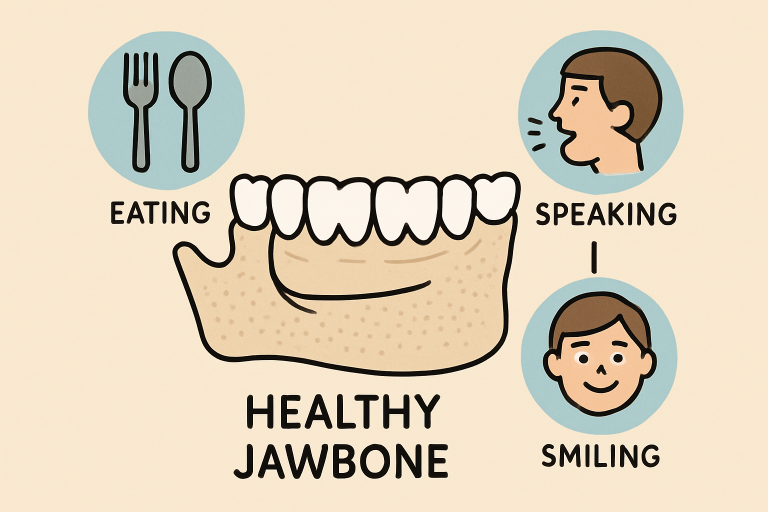
Jawbone health plays a far-reaching role in everyday activities and overall well-being, often in ways people do not realize until problems arise. A healthy jawbone supports crucial functions like eating, speaking, and maintaining the natural contours of your face. If you have ever researched concerns like pain under ear behind jaw bone left side, you may already appreciate how jawbone discomfort can quickly affect your quality of life.
Caring for the jawbone is not just about oral comfort or appearance. Jawbone deterioration can significantly impact nutrition, communication, and self-confidence. Recognizing how vital a strong jawbone is for regular activities underscores why adopting good dental habits and preventive measures is so important for lifelong health.
Changes in the jawbone can also be an early indicator of underlying health issues. Preventive dental care and attention to jawbone health can help avoid long-term complications that affect both your mouth and your body. Understanding the connections between jawbone health and these daily functions can empower you to take control of your wellness before minor concerns develop into major challenges.
Chewing and Digestion
The jawbone serves as the essential foundation for teeth, allowing for thorough, comfortable chewing. Effective chewing is necessary to initiate proper digestion, break down food into absorbable nutrients, and prevent digestive discomfort.
According to Champaign Dental, compromised jawbone integrity can lead to problems such as pain while chewing, difficulty eating certain foods, and an increased risk of indigestion or nutritional deficiencies. If chewing becomes uncomfortable, individuals might avoid healthy foods that require more effort to eat, unintentionally harming their diet and overall health.
Speech Clarity
A healthy jawbone helps maintain stable tooth alignment, which is crucial for clear pronunciation of words and sounds. Deterioration or loss of jawbone can lead to shifting or loss of teeth, which then affects speech patterns. Slurred, unclear, or mumbled speech can develop, potentially causing embarrassment or communication barriers. This highlights how jawbone problems extend beyond basic oral health and can influence daily interactions in both personal and professional settings.
Facial Appearance
The jawbone provides essential support for the lower face, shaping and contouring the jawline and cheeks. As jawbone density is lost due to conditions such as tooth loss or osteoporosis, the facial structure may begin to sag or appear sunken.
This can make a person look older, leading to reduced self-esteem and reluctance to engage in social activities. For many, facial appearance is closely tied to confidence, so preserving jawbone health directly translates into maintaining a vibrant, youthful look.
Oral Health
The jawbone not only supports the teeth but also helps stabilize them against the pressures of chewing and biting. Bone loss increases the likelihood of tooth shifting or loosening, which can lead to tooth loss, gum disease, and infection. Spaces left by missing teeth provide breeding grounds for bacteria, raising the risk of inflammation and decay.
Over time, misalignment of remaining teeth may make cleaning more difficult and further raise the likelihood of oral health problems. According to the Mayo Clinic, dental implants can help preserve the integrity of the jawbone after tooth loss by providing necessary stimulation.
Overall Health
Jawbone health is intricately linked to general health conditions such as osteoporosis, which affects bone density throughout the body, not just in the jaw. Scientific studies have found that bone health in the jaw can be an early sign of skeletal conditions that might later lead to height loss or fractures, especially in women after menopause.
Routine dental x-rays are valuable not only for oral hygiene but also for detecting subtle changes that may signal more serious health issues.
Common Causes of Jawbone Deterioration
- Tooth Loss: When teeth are missing, the jawbone receives less stimulation and may resorb or shrink over time.
- Periodontal Disease: Gum disease can progress to damage not only soft tissue but also the bone supporting teeth, leading to weakening and bone loss.
- Osteoporosis: Reduced bone density in the jaw makes it vulnerable to fractures and structural loss.
- Poor Nutrition: Insufficient intake of calcium and vitamin D can undermine jawbone strength, particularly in older adults or those with dietary restrictions.
- Smoking and Alcohol Consumption: Both habits are associated with impaired bone healing and reduced bone density, which may accelerate jawbone decline.
Strategies for Maintaining Jawbone Health
- Maintain Good Oral Hygiene: Consistent brushing, flossing, and regular dental visits are the first lines of defense against gum disease and tooth loss, which can accelerate jawbone deterioration.
- Ensure Adequate Nutrition: Eating a balanced diet with plenty of calcium and vitamin D helps protect bone density and jaw strength.
- Avoid Harmful Habits: Refraining from smoking and limiting alcohol intake can prevent rapid bone density loss and promote healing.
- Address Teeth Grinding: Seeking treatment for bruxism (teeth grinding) can safeguard the jawbone from excessive wear or fractures.
- Consider Dental Implants: For those missing teeth, dental implants are an effective solution to maintain jawbone stimulation and prevent additional bone loss.
Final Thoughts
Jawbone health is fundamental to essential daily activities, including effective eating, clear communication, and a confident appearance. By recognizing the many ways jawbone health touches every aspect of life and taking proactive steps to safeguard it, individuals can enjoy greater comfort, health, and fulfillment.
Regular dental care, a nutritious diet, and timely intervention for oral concerns are among the most effective strategies for preserving jawbone health and overall wellness throughout life.
