
Every website needs some SEO attention. You do not have to chase the top spot for every keyword, but you do need your content to have a fair chance of ranking on Google. Two sites can be almost identical in quality and offering yet pull wildly different amounts of traffic, and the gap often comes down to SEO. There is little point building a website that no one ever sees.
Hundreds of SEO tools compete for attention, and the competition has a useful side effect for you: a lot of capable software is now free. You can assemble a professional toolset without spending anything, and without a deep SEO background. Here is how.
The building blocks of SEO
Before the tools, here is the work itself. Four actions carry most of the weight.
- Keyword research. Pick the wrong keywords and you are beaten before you start. The common mistakes are targeting keywords no one searches for, or targeting popular keywords that are too competitive to rank for.
- Build backlinks. These are at the heart of Google’s algorithm. You will not rank without them.
- Optimize pages. Google’s algorithms are capable, but they still need help. Small changes can make your page read as the ideal source of information.
- Technical. Some SEO work is technical, and that puts people off. It should not. Software can detect these errors and tell you exactly what to correct, and most fixes are straightforward once you know what to do.
If you are new to all of this, start with a simple SEO tutorial and come back.
It helps to remember why this matters beyond the mechanics. When people look for a local business or service, the internet is their first stop. Pew Research Center’s 2011 study on where people get information about local businesses found that 38% of adults turn to search engines for information about restaurants, bars, and clubs, and 36% use search engines for other local businesses, ahead of any other source. If your page is not findable when someone searches, the sale goes to whoever is.
The free SEO toolset
Now to the tools. You can cover each of the four building blocks above with something that costs nothing.
Keyword research
SheerSEO offers a free account for life, and its keyword research is solid.
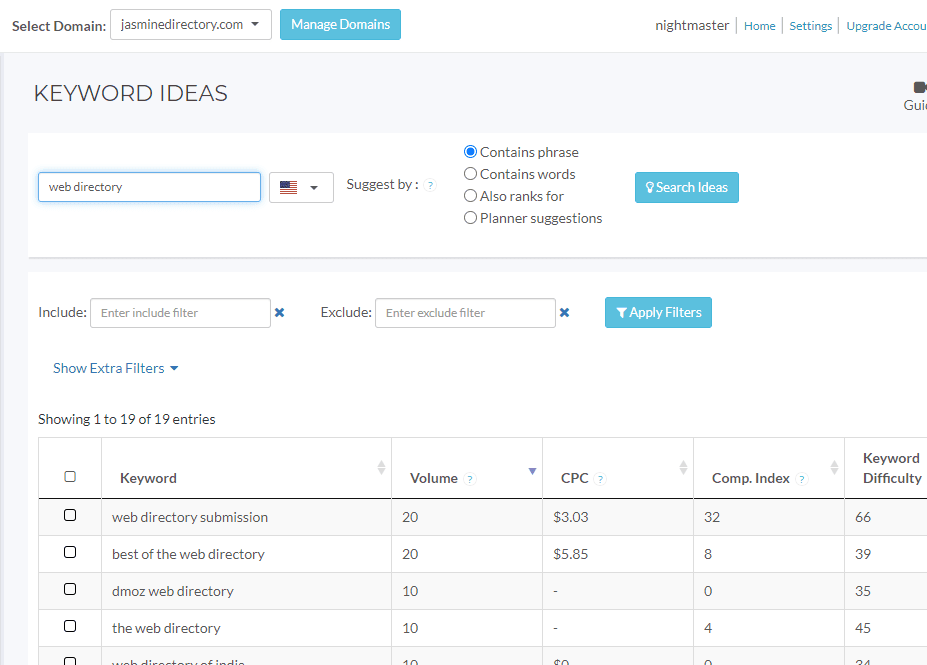
You can generate keyword ideas in four ways:
- Phrase. Suggests keywords that contain a specific phrase.
- Words. Suggests keywords that contain the words in your keyword.
- Competitors. Shows keywords that a chosen competitor already ranks for.
- Planner suggestions. Pulls ideas from Google’s tool for advertisers.
Two numbers tell you most of what you need: the search volume for each keyword, and its difficulty. High volume with low difficulty is the sweet spot, and it is rarer than you would hope.
Link building
Site owners have grown cautious about handing out links, and for good reason. Google has ways to detect and penalize manipulative linking, which makes honest backlinks harder to find. You need tools to keep up.
Start with what you already have. Google Search Console lets you inspect the links pointing at your site.
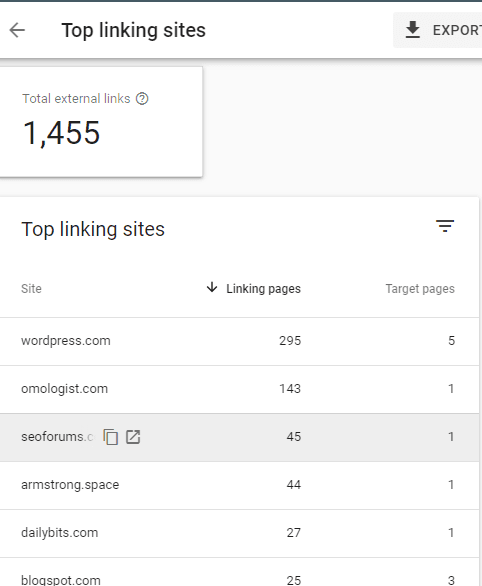
Verify yourself as the site owner or admin, and you get a view of what Google knows about your backlinks.
For building new ones, a reliable strategy is to find relevant bloggers in your niche and ask them to review your site. SheerSEO, mentioned above, can automate part of that outreach. Another good option for blogger outreach is ninjaoutreach.com, which offers a free trial worth trying.
A second strategy is to study what your competitors are doing and follow a similar path. openlinkprofiler.org is useful here, and it has a free version.
One caution about link building. Even with every free tool available, it comes down to persuading a real person to give you a link. No software can do that negotiation for you.
Optimize pages
Page optimization software shows you how to tune a page for a specific keyword. Some of the advice is technical, such as putting the keyword in the H1 tag or the page title. Some is semantic: guidance on making the page more complete, so it covers everything Google expects to see for that topic. A page about the 2020 US election, for instance, should mention Joe Biden, Trump, and the election date.
SheerSEO includes this on-page analysis, and it points you at the specific gaps to close.
This is also where the effort connects to trust. People do not scan the search page and read every result carefully. Jakob Nielsen’s 1997 study of how users read on the web found that 79% of users scan any new page they encounter while only 16% read word by word, which is the origin of the standard advice to write with highlighted keywords, meaningful subheadings, bulleted lists, and one idea per paragraph. Optimizing for a keyword and writing for a scanning reader are the same job.
Technical work
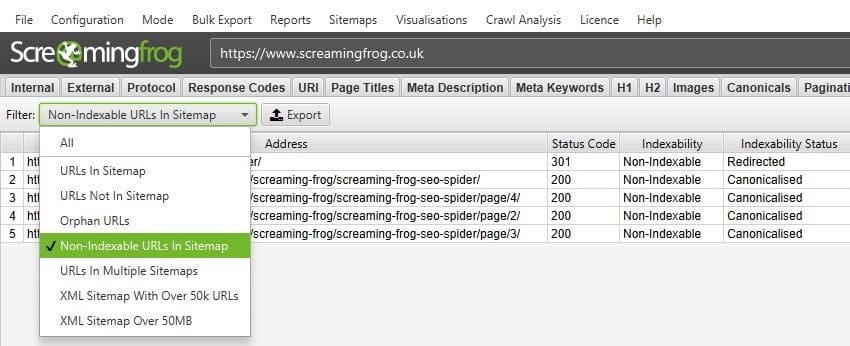
By technical I mean the common SEO faults: broken links, missing titles, missing H1 tags, duplicate content, and the like. The process of finding them is sometimes called an SEO audit.
Screaming Frog handles this well. It will not fix the problems for you, but it surfaces every one and tells you what to do, and the free version is capable.
Tracking progress
SEO is not a one-time task. It rewards steady monthly effort, because over time you add articles, earn links, and improve existing pages. To know whether any of that is working, you have to measure.
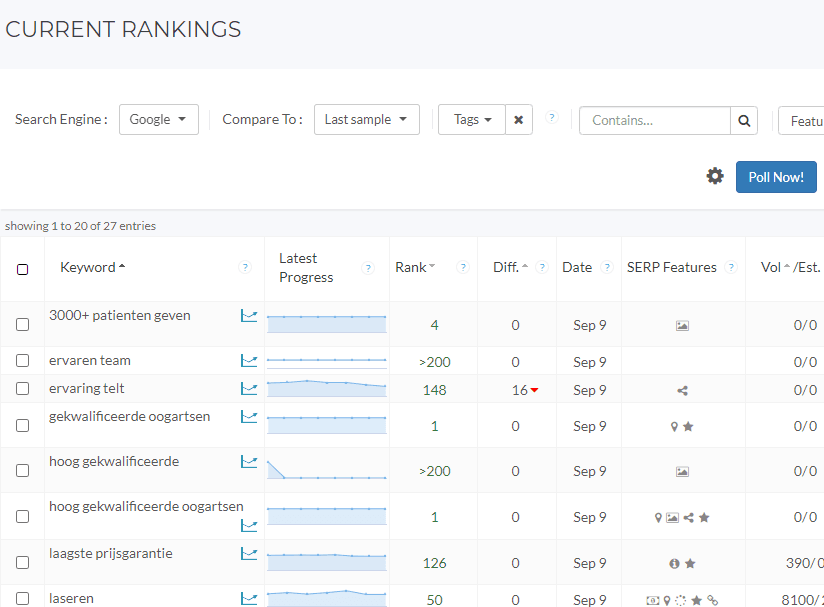
Ranking is the main thing to track. That sounds tedious, and if you tried to check the position of more than ten keywords by hand, it would be. You do not want to do that manually.
Rank tracking is one of the most common SEO jobs, so nearly every tool offers it. I prefer SheerSEO for it: simple, fast, accurate, and the free version tracks up to 20 keywords.
Summary
The crowded SEO software market works in your favor. You can build a full toolset from free products, cover keyword research, link building, on-page optimization, technical audits, and rank tracking, and spend nothing to do it.
None of it demands much prior knowledge, and the payoff can be real. Pick one keyword you want to rank for, run it through the tools above, fix what they flag, and check your position again in a month. That single loop, repeated, is most of what SEO is.
