Key takeaways
- Walk-in clinics provide convenient, timely medical care and take pressure off emergency departments.
- Telemedicine and AI make these clinics more efficient and extend their reach.
- They are expanding services to include preventive care and chronic disease management.
- New technology is improving both patient experience and day-to-day operations.
Walk-in clinics are changing healthcare by offering convenient, efficient, and affordable access without the crowded ER or the long wait for a primary care appointment. More people are turning to them for quick, reliable care. Whether you need treatment for a minor injury or a sudden illness, finding urgent care near me is easier than ever, so you can look after your health without upending your day.
Walk-in clinics simplify care for non-life-threatening issues with flexible hours and no appointment delays. They ease the load on emergency departments and keep adding new technology, and by offering preventive and chronic care they widen both access and the range of services they cover.
The rise of walk-in clinics
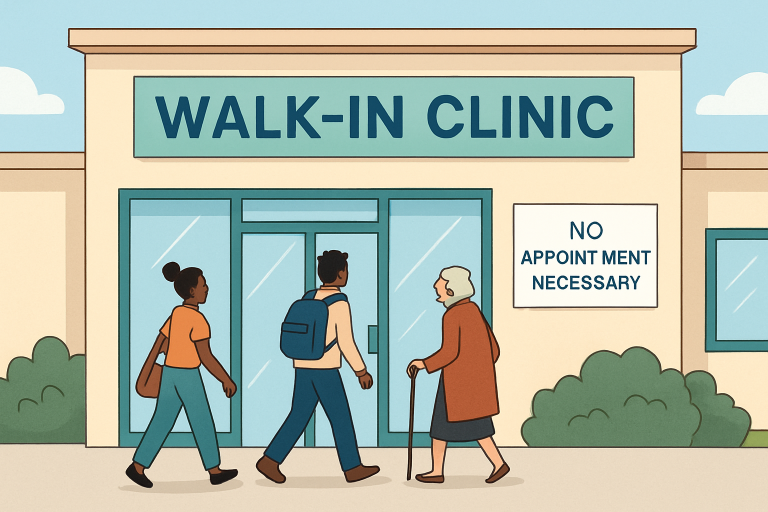
The fast growth of walk-in clinics is changing how people get immediate care. When waiting weeks for a doctor’s appointment can make a health problem worse, these clinics close the gap between primary care and emergency services.
With same-day access at the center, walk-in clinics are built for patients who need prompt evaluation and treatment for minor injuries, infections, and routine needs.
One concrete example is walk-in urgent care in Phillipsburg, NJ, where a single clinic combines urgent care, primary care, occupational medicine, and travel medicine under one roof.
This is a direct response to how patient expectations have shifted. Consumers want speed, flexibility, and high standards, so health systems have had to change to keep up.
Technology in walk-in clinics
Digital tools and telehealth are changing walk-in clinics. Online booking and digital check-ins cut delays, so patients can see a doctor soon after they arrive. Electronic health records give staff quick access to medical histories, which improves diagnosis and care. Telemedicine widens reach, especially in underserved areas, and lets patients have remote consultations for assessments, prescriptions, or follow-ups.
During the pandemic, telemedicine at urgent care clinics more than doubled, and it remains popular now that virtual care has become standard.
Services beyond immediate care
Walk-in clinics now offer more than acute care, including vaccinations, exams, and screenings. That helps catch health issues early and manage chronic conditions like diabetes and hypertension. Easy access to routine care supports lasting patient-provider relationships, which fits value-based healthcare and improves community health.
Impact on emergency departments

One clear benefit of walk-in clinics is that they redirect non-emergency cases away from overcrowded emergency departments. Emergency rooms are often swamped by patients who do not need critical care, which lengthens wait times and stretches resources meant for real emergencies.
Walk-in clinics are a safe option for these lower-acuity cases, so hospital emergency staff can concentrate on severe and life-threatening conditions. That relief improves patient flow, patient satisfaction, and the quality of care across a health system. Health networks that added walk-in clinics have measurably cut ER visits for non-urgent issues and put their resources to better use.
Cost and accessibility
Walk-in care is popular partly because it costs less than an emergency room visit. Walk-in clinics charge less than hospitals for urgent services and accept various insurance plans at co-pay rates. This model helps patients avoid high bills, narrows healthcare gaps, and encourages people to seek care sooner. Clinics sit in retail centers, neighborhoods, and busy areas, and they stay open late, which makes them easier to reach. Together these factors lower the usual barriers to care.
What lies ahead
Walk-in clinics will handle a larger share of care in the years to come. Artificial intelligence, predictive analytics, and steady improvements will make care more personal and clinic operations smoother.
Continued growth depends on solving some real problems: keeping care quality consistent, protecting patient data, connecting clinic records across systems, and keeping care equitable. Getting Navigating these issues right is what will let immediate care models deliver on their promise and reach more people across the healthcare system.
Immediate access to healthcare
Walk-in clinics remove the most frustrating part of traditional healthcare: waiting for an appointment. Patients with acute conditions get treatment within hours, not days or weeks. That speed matters for problems that need prompt attention but not emergency intervention.
The first-come, first-served system is fair and keeps the clinic running efficiently. Patients understand the transparent process, reducing anxiety about when they’ll be seen. Modern clinics use digital check-in, so patients can reserve a spot remotely and spend less time in the waiting room.
This helps parents with sick children most of all, since illness rarely arrives on schedule. People with unpredictable work hours also benefit, knowing care is available without planning ahead.
Reduced emergency room burden
Walk-in clinics move non-emergency cases away from overwhelmed emergency departments. That shift helps the whole system by keeping emergency resources free for genuinely critical cases.
Emergency rooms often treat minor problems at great cost, both in money and in resources. When patients with ear infections or minor cuts go to a walk-in clinic instead, emergency departments can focus on heart attacks, strokes, and trauma.
This improves outcomes for everyone. Emergency cases get faster attention, and non-emergency patients skip emergency room waits that can run eight hours or more.
Transparent pricing
Unlike traditional settings where the bill arrives weeks later, walk-in clinics often display prices for common procedures. That lets patients make informed decisions about their care.
Most clinics post prices for services like strep throat treatment, a minor suture, or a sports physical. Patients know the cost upfront, which removes the anxiety of surprise medical bills that plague American healthcare.
The same openness applies to insurance. Clinics explain copayment amounts and which services insurance covers, so there are no financial surprises that make people avoid care later.
Comparing costs
An emergency room visit for a minor problem can top $2,000, while a walk-in clinic usually charges $100-200 for similar treatment. That gap makes care affordable for middle-class families with high-deductible plans.
Take a urinary tract infection: the emergency room might cost $1,500-2,500, while a walk-in clinic charges $75-150. Same antibiotics, same outcome, a fraction of the cost.
More companies partner with walk-in clinics to lower employee healthcare costs and reduce absences. Workers get faster treatment and return to work sooner, which lowers premiums and keeps productivity up.
Extended hours
Most walk-in clinics stay open until 8 or 9 PM, which suits working people who cannot visit during regular office hours. That flexibility prevents lost productivity and softens the economic hit of being sick.
Weekend hours keep care available, which matters for children whose conditions can worsen quickly. Parents no longer have to choose between waiting until Monday and heading to the emergency room for a non-critical weekend illness.
Many clinics also open on holidays, when regular offices close for days at a time. That continuity keeps conditions from getting worse while patients wait.
Where clinics are placed
Walk-in clinics inside pharmacies and retail stores use existing foot traffic and put care in one convenient place. Patients get a diagnosis, a prescription, and their medication in a single visit.
Placing clinics in underserved communities reaches areas where medical facilities are scarce. Spreading them out this way brings care to populations that have long lacked it.
Urban clinics near public transit and suburban ones with plenty of parking are chosen with patients in mind. Accessibility covers more than hours; it includes getting to the door.
A wider range of services
Walk-in clinics increasingly offer vaccinations, health screenings, and basic preventive care. Going beyond acute care turns them into community health hubs that meet a range of needs.
Some clinics now provide follow-up care for stable chronic conditions, with medication refills and routine monitoring between specialist appointments. That fills gaps in chronic disease management.
Sports physicals, employment screenings, and travel medicine consultations round out the menu. These additions make walk-in clinics useful for far more than simple acute care.
Better diagnostics
Modern walk-in clinics have laboratory services and basic imaging. Rapid strep tests, flu tests, and X-rays give immediate results, which speeds up treatment decisions.
Point-of-care testing returns results in minutes rather than days. Patients leave with a firm diagnosis and the right treatment, instead of waiting on lab work.
Some clinics connect patients with specialists over telemedicine, which extends what they can diagnose and treat beyond what is on site. This brings specialist expertise into community settings.
Staffing that holds up
Most walk-in clinics employ nurse practitioners and physician assistants supervised by physicians. They handle the conditions that typically show up at these clinics while keeping quality high.
Standing referral relationships with specialists and hospitals make care transitions smooth when a condition is beyond the clinic. Providers know the limits of their scope and refer patients appropriately.
Ongoing training keeps staff current on treatment guidelines and emerging health threats. That commitment to education keeps care quality up in a busy, fast-paced setting.
Electronic health records
Digital records let walk-in clinics and primary care providers share information, which keeps care consistent even when visits are occasional. This prevents duplicate treatment and medication errors.
Electronic systems support quality monitoring and improvement work, which raises care standards across clinic networks. Data analytics point to trends and ways to improve services.
Patient portals deliver visit summaries and test results online. That access lets patients manage their own health information and share it with other providers.
Public health contributions
Walk-in clinics act as early warning systems for infectious disease outbreaks, feeding current data to public health authorities. That surveillance proved valuable during COVID-19 and seasonal flu.
Convenient vaccination services raise immunization rates, especially for seasonal flu and travel vaccines. Easy access removes the barriers that keep people from getting vaccinated.
Health education during visits encourages preventive care and healthy habits. These brief conversations add up to a real public health effect.
Room for innovation
AI triage systems will smooth patient flow and improve diagnostic accuracy, making clinics more efficient. Machine learning will predict wait times and suggest good times to visit.
Mobile apps will handle remote check-in, virtual queuing, and follow-up coordination. These tools will connect the visit to what happens before and after it.
Adding chronic disease management and mental health services will broaden what walk-in clinics do. That shift makes them a real alternative to primary care rather than only an acute care stop.
Where this leaves us
Walk-in clinics have become a practical source of accessible, efficient care. Their effect on the wider system goes past easing emergency room strain: they offer community-based care that supports prevention, keeps treatment affordable, and adopts new technology as it arrives.
As healthcare needs change, walk-in clinics are set to define immediate care, meeting what today’s patients expect while helping build healthier communities.
