
Key takeaways
- Outpatient clinics are adopting new technologies to speed up operations and improve patient care.
- Patient-centered design and whole-person care models are central to a better patient experience.
- Telehealth and digital health programs are widening access and convenience for patients.
Modern outpatient clinics are changing the patient experience from the very first visit. By adopting new technologies and rethinking how they operate, these clinics are addressing both the immediate needs and the long-term well-being of their patients.

From quicker appointments to whole-person care, today’s facilities give patients and clinicians room to move beyond traditional settings and expectations. This shift has produced many kinds of support, including digital platforms and newer therapeutic practices like MAT therapy, that help healing and recovery.
With a focus on convenience, accessibility, and the patient’s voice, the modern outpatient experience now reaches outside the clinic’s walls. Clinics are redesigning physical and digital spaces, folding mental health into primary care, and using virtual visits and remote monitoring. This is a real change from episodic treatment to continuous, personalized care that considers every part of a patient’s time with the clinic.
These changes track a wider movement in healthcare. Clinics are now built not only to treat illness but also to encourage proactive wellness and offer personalized care for different populations. Patients can reach specialized resources and therapies remotely, which makes scheduled care more adaptable and efficient than before. These advances run on solid digital health ecosystems and evidence-based decision-making, demonstrating that outpatient care can be both high-tech and deeply human.
Technology in outpatient clinics
Outpatient clinics are moving quickly to add digital tools that improve clinical care and patient engagement. Real-time health monitoring tools, connected devices, and AI-driven scheduling smooth out the treatment process and the interactions between patients and practitioners.
For example, clinics now use Internet of Things (IoT) solutions that track vital signs, automate environmental controls for comfort, and send targeted alerts to caregivers. These features help manage chronic diseases early and cut unnecessary hospital admissions.
Institutions such as the Mayo Clinic show how continuous data gathering supports informed decisions and tailored care, setting a standard for outpatient centers elsewhere.
Interoperable electronic health records cut duplicate testing and paperwork, giving clinicians a complete patient history at hand for better care. When smart software is built into diagnostic and workflow systems, the patient experience gets smoother, and practitioners can focus on meaningful, patient-centered conversations.
Patient-centered design and whole-person care
The design of today’s outpatient clinics centers on patient needs, and that means more than physical health. Modern clinics now pay attention to behavioral, social, and psychological well-being, moving toward a whole-person model.
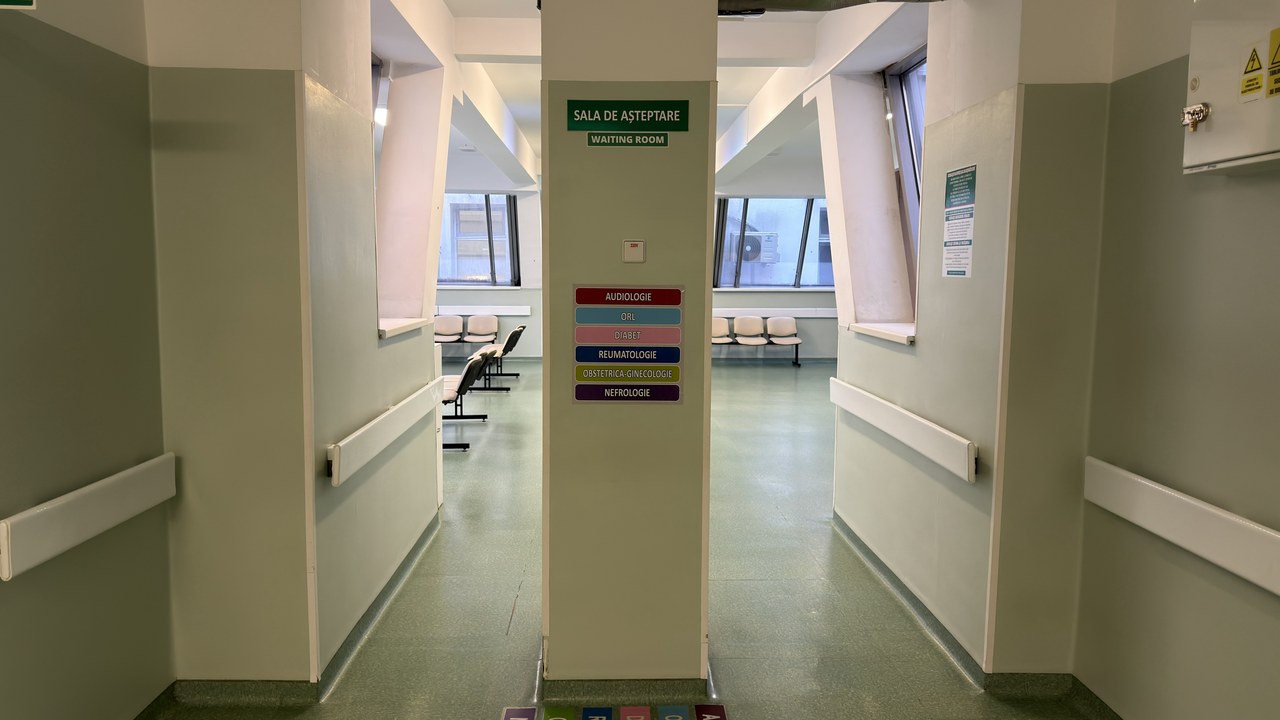
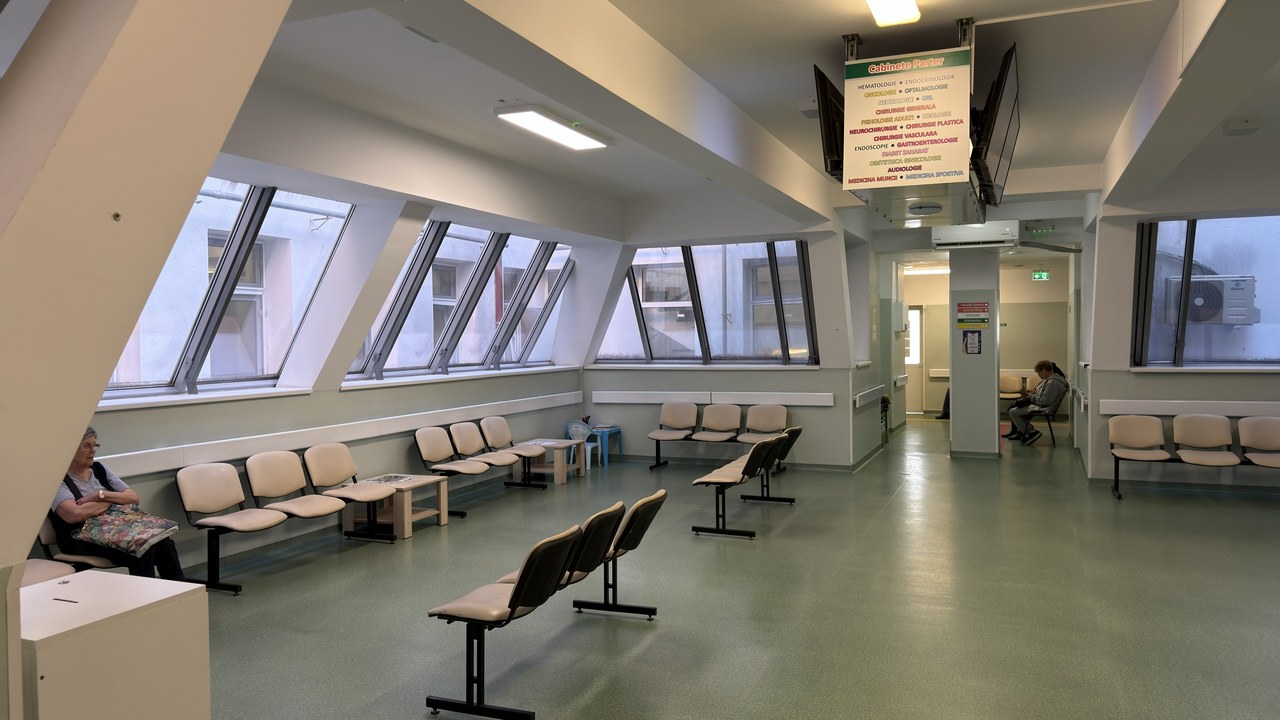
Facilities offer calm, welcoming environments and flexible scheduling, which puts patients at ease and encourages them to take part in their treatment plans.
For instance, systems like NewYork-Presbyterian give patients tools for virtual behavioral health screenings, which can catch concerns early in a confidential, digital format.
These models also make it easier to bring mental health services into routine primary and specialty care, removing barriers tied to stigma and logistics.
When screening results link electronically to patient records, mental health professionals can respond quickly to patients who need help. This kind of personalization tailors treatment to each patient’s situation, which improves both outcomes and satisfaction.
Telehealth and digital health services expand
Telehealth has changed how patients reach care, letting them consult clinicians from virtually anywhere, often on short notice. As insurers expand coverage for virtual visits, outpatient clinics keep investing in secure, easy-to-use telemedicine platforms. Recent projections suggest that up to 26% of outpatient appointments may be conducted remotely, especially in specialties such as psychiatry, dermatology, and pediatrics. This virtual-first approach cuts travel, wait times, and missed appointments while extending specialist access to underserved regions.
Mobile health apps, wearable devices, and remote patient management portals keep patients and clinics in contact between visits. Because telehealth is flexible and immediate, it keeps patients engaged and monitored, keeps them on track in their care, and helps prevent complications that could lead to hospitalization.
Improving operational efficiency
Operational innovation matters for patient satisfaction. The best systems are investing in centralized call centers, cross-functional care teams, and detailed analytics to improve scheduling accuracy and reduce delays. Personalized care navigation and automated reminders help patients understand next steps and prepare for appointments.
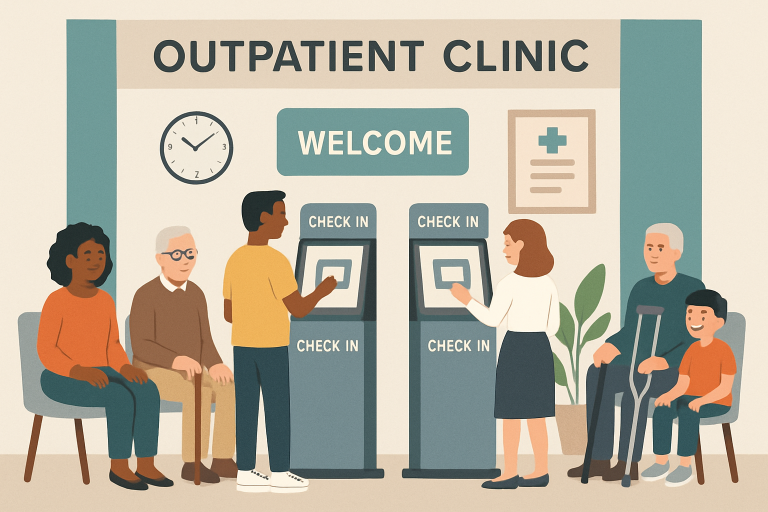
These changes make providers more efficient and give patients a smoother, more reliable path from check-in to follow-up. Efficient clinics use real-time analytics to allocate resources and staff, which reduces wait times and improves the quality of each visit.
As a result, these strategies support the move from volume-based care to value-based models built around measurable patient outcomes.
Where outpatient care is heading
Outpatient clinics are set to invest more in digital health platforms and personalized medicine. Expect wider use of predictive analytics to anticipate patient needs, closer integration of behavioral health services, and more flexible hybrid care models.
Clinics will lean into patient engagement through self-scheduling tools, digital therapeutics, and community partnerships, all aimed at the social factors that shape health.
By combining new tools with human-centered design, outpatient providers are working to improve care quality and access so that patients feel valued, heard, and supported.
Patient-centered design marks a shift from treating conditions to treating people. It recognizes that a patient arriving with chest pain is not merely a cardiac case. They are someone with worries about missing work, fears about mortality, and possibly a history of dismissive medical encounters that makes them reluctant to speak openly.
Whole-person care models extend this idea by acknowledging that health sits at the intersection of physical, psychological, social, and even spiritual dimensions. A diabetic patient’s glucose control depends as much on their ability to afford healthy food and their mental state as it does on insulin dosing. Treating only the biochemistry while ignoring the context is like repairing an engine while the car has no wheels.
In practice, patient-centered design shows up in architectural choices: private consultation rooms that encourage honest conversation, waiting areas that calm rather than agitate, and signage that anyone can follow without a medical degree. It shows up in scheduling that respects patients’ time and in communication that meets people where they are, whether that is a portal, a phone call, or a printed letter.
The economics increasingly support these models. Patients who feel heard stick to treatment plans, return for follow-ups, and catch complications earlier. The upfront cost of longer consultations and multidisciplinary teams often pays off through fewer emergency visits and hospitalizations.
The hard part is putting this into systems built on opposing principles: volume-based reimbursement, fragmented specialty care, and electronic records designed more for billing than for understanding a person’s story. Real change means redesigning incentives along with physical spaces and workflows.
