Maintaining a sturdy, reliable roof is crucial for safeguarding your home from the weather. Over time, a variety of common problems can threaten the integrity of your roof, often without warning. Staying informed about these issues can help you catch warning signs early and avoid expensive repairs. If you need expert help, Ocean City, MD Trusted Roofers can provide guidance and service.
Every climate exposes roofing systems to unique challenges. Seasonal storms, temperature fluctuations, and the gradual effects of aging contribute to wear and tear that homeowners should not ignore. Addressing problems promptly will keep your roof performing its best, ensuring protection and value for your property.
Roofing concerns range from visible damage, such as missing shingles, to more subtle issues, such as poor attic ventilation. Recognizing the symptoms and causes of each allows you to act quickly and avoid water damage, mold, or costly overhauls. Trustworthy professionals can help with inspections and maintenance so that minor issues do not become major headaches.
By educating yourself on the most frequent roofing issues and their solutions, you position your home for a longer, healthier lifespan. Whether you are dealing with leaks or planning for a roof replacement, knowledge is the best defense.
Roof Leaks
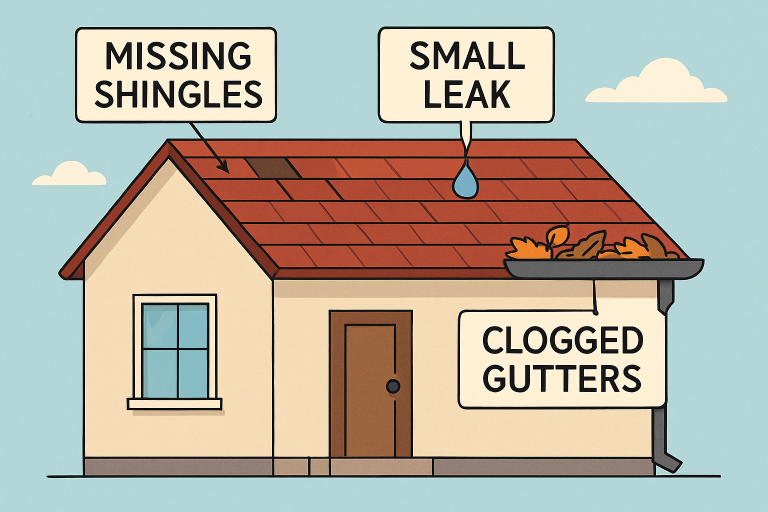
Roof leaks are among the most common and disruptive issues homeowners encounter. They often remain hidden until water stains appear on ceilings or walls. Water can seep in through damaged or missing shingles, worn flashings, or roof penetrations around vents and chimneys. If left unaddressed, leaks contribute to mold, structural decay, and even electrical hazards.
It is essential to investigate any signs of water inside your home, as leaks can develop rapidly after being triggered by heavy rain or snow. According to Fixr, thorough inspection and timely repair are the most effective ways to manage leaks and mitigate interior damage.
Damaged or Missing Shingles
Shingles provide essential protection against rain, snow, and sun exposure. Over time, shingles can crack, curl, or be blown away by wind, leaving the underlayment and wood decking vulnerable. Even a single missing shingle can result in water seepage, leading to roof deck rot or mold growth. Regularly inspecting the roof, especially after storms, ensures any damaged or missing shingles are replaced before they cause more serious problems. Homeowners should also look for granule loss, which makes shingles less effective at diverting water and resisting harsh UV rays.
Poor Roof Installation
A roof is only as reliable as its installation. Mistakes during installation can lead to chronic leaks, cold drafts, and premature aging. Common installation errors include improper nailing, poor shingle alignment, or incorrectly installed flashing. These issues can undermine the roof’s structural integrity and necessitate costly repairs well before the end of its projected lifespan.
Always choose qualified, reputable contractors and ask about warranties to safeguard your investment. Checking customer reviews and references is a smart way to avoid the pitfalls of poor installation.
Clogged Gutters
Gutters control the flow of rainwater off your roof and away from the foundation. When they become clogged with leaves, debris, or granules from aging shingles, water can back up and pool at the roof’s edge. This backup increases the risk of leaks, wood rot, and ice dam formation in colder climates. Cleaning gutters at least twice a year, especially after autumn and spring, is vital for preventing water-related damage. If left ignored, clogged gutters may also worsen landscaping erosion and lead to basement flooding.
Flashing Failures
Flashing, a thin sheet of metal, is used to seal joints around chimneys, skylights, and vent pipes. When flashing is improperly installed, corroded, or damaged by wind or water, water can easily seep through seams and gaps. Faulty flashing allows moisture to penetrate your home’s walls and wood framing. Regular inspections, particularly after severe weather events, are essential to catch flashing problems early and minimize their impact. For more information on roof flashing and how to spot issues, refer to American Home Shield.
Improper Ventilation
Proper attic ventilation regulates temperature and moisture levels, protecting your roof from premature deterioration. Inadequately ventilated attics trap heat and humidity, which can warp decking, accelerate shingle aging, and promote mold growth.
Signs of ventilation issues include moldy attic insulation, ice dams in winter, or excessive energy bills. Addressing ventilation by installing additional soffit or ridge vents can prolong roof life and promote a healthier indoor environment.
Storm and Wind Damage
Storms bring strong winds, hail, and debris that can wreak havoc on roofing materials. High winds may dislodge or break shingles, while hailstones can bruise or puncture surfaces. Sometimes, storm damage is not apparent from the ground and goes unnoticed until a leak or draft arises.
Scheduling an inspection after major storms helps catch hidden issues and supports timely insurance claims if repairs are needed. Even minor impacts can escalate if unattended, making prompt inspection crucial after any extreme weather.
Aging Roof
Most roofs have a lifespan of about 20 to 30 years, depending on materials, climate, and maintenance. As roofs age, they lose elasticity and waterproofing. Aging roofs often display curled, cracked, or brittle shingles, sagging areas, or persistent leaks.
When your roof nears the end of its service life, consider planning a replacement to avoid emergency repairs. A proactive approach protects your property and allows you to budget for the upgrade in advance.
By staying alert to these common roofing issues and scheduling routine maintenance, homeowners can ensure their roofs remain strong for years. Regular inspections, prompt repairs, and trusted advice from certified roofers are key to avoiding costly surprises and keeping your home safe and sound.
