
Buying beauty liquidation pallets lets a business stock high demand products without paying the prices brand name distributors usually charge. These pallets normally hold overstock or returned beauty products from familiar retailers, which gives you a way to widen your inventory and reach shoppers who care about price.
Beauty liquidation pallets are bulk lots of cosmetics, skincare, haircare, and beauty tools sold at steep discounts (usually 70 to 95% below retail) because the original retailer or brand needed to move them out. Products land in liquidation for reasons like overstock, seasonal clearance, store closures, damaged packaging, customer returns, or approaching expiration dates.
In sourcing, resellers, discount retailers, or e-commerce sellers (Amazon, eBay, TikTok Shop) buy them, then sort, verify, and resell individual items at a margin. Pallets are graded. “Shelf-pull” stock (never opened, best quality) costs more than “customer returns” (mixed condition, higher risk).
Common sourcing channels are direct liquidation platforms (BULQ, Liquidation.com, Direct Liquidation), wholesale brokers, and sometimes direct agreements with major retailers (Target, Ulta, Sephora) or brands clearing discontinued lines.
Buying these pallets lets a small business or reseller pick up a range of cosmetics and skincare at deeply discounted rates. This stretches your inventory budget and lets you pass savings to your customers, which helps you stay competitive in a tough market. Where you source matters, because it affects your bottom line and your reputation directly.
Liquidation pallets have grown more popular as shoppers pay attention to sustainability and look for budget friendly beauty supplies. Whether you have resold for years or you are new to the beauty trade, knowing how to pick the right pallets and manage inventory will shape how well you do over time.
This article walks through what you need to get started, from the benefits of beauty liquidation pallets to the pitfalls you should watch for and how to get the most out of reselling, based on what established resellers recommend.

Understanding beauty liquidation pallets
Beauty liquidation pallets are large assortments of merchandise that major retailers offload because of excess supply, seasonal rotations, or returned items. These pallets often mix cosmetics, skincare, hair products, fragrance, and tools. The products can be brand new, lightly opened, or customer returns, so knowing what each pallet holds is important before you buy. For a fuller look at pallet sourcing and what customers expect, see Forbes’ guide on liquidation buying.
Benefits of sourcing beauty liquidation pallets
- Cost savings: Buying in bulk gets you sizable discounts over wholesale rates, which means higher profit margins when you resell.
- Diverse inventory: With a wide selection across categories and brands, you can serve more customer needs and test different trend segments in beauty and self-care.
- Eco-friendly practices: Redistributing returned and excess items cuts waste and supports sustainability, which appeals to shoppers who want eco-conscious options.
Scalability: once you have a reliable supplier, you can raise volume in steps with fairly predictable unit economics.
Niche market fit: it feeds growing shopper segments such as discount beauty, “treasure hunt” retail (the TJ Maxx model), mystery boxes, and bundle reselling on social commerce platforms.
The main trade-off is unpredictability. Manifested and unmanifested pallets carry different risks, and quality control (expired products, broken seals, counterfeit risk) adds real overhead.
How to source beauty liquidation pallets
To find quality beauty liquidation pallets, work through these steps:
- Research reputable suppliers: Look for established liquidation platforms with solid track records and open records. Platforms such as BULQ, Direct Liquidation, and other trusted names publish detailed information on product sources and manifests. Reading supplier reviews helps you avoid unreliable sellers.
- Understand product conditions: Pallets may contain new, like-new, or returned products. Weigh these conditions and confirm them with suppliers. Knowing what you are buying lets you price and manage inventory properly.
- Review manifests: Choose pallets that come with detailed manifests. A manifest lists what is included, the quantities, and item conditions, so you can judge resale value and decide whether the pallet fits your goals.
- Calculate total costs: Factor in extra expenses such as shipping, refurbishment, or repackaging. Working out the cost per item accurately keeps your pricing profitable.
Tips for successful reselling
- Quality control: Inspect every item when the pallet arrives. Discard or repair anything you cannot sell, and make sure products meet cosmetic safety rules for your market.
- Effective marketing: Sell across a mix of channels like eBay, Amazon, Poshmark, or local apps. Use clear photos, detailed product descriptions, and bundle deals to stand out. Forbes Advisor covers strategies for doing well in online retail.
- Competitive pricing: Keep researching the market so you can adjust prices for the best profit without slowing sales. Account for seasonal demand and trending items when you set prices.
- Customer service: Give buyers a smooth shopping experience, quick responses, and flexible returns so they stay happy and come back.
Potential challenges and how to overcome them
Beauty liquidation pallets bring real advantages, but sellers should watch for these problems:
- Product condition variability: Not every item will be fit to resell. Cut your losses by working only with reputable suppliers and reading manifests and return policies before you buy.
- Market saturation: The beauty sector is crowded, so standing out with creative marketing, curated bundles, or a niche focus (such as vegan or cruelty-free brands) can draw customers.
- Regulatory compliance: Keep up with regional cosmetic regulations, labeling requirements, and product safety laws to avoid legal trouble.
From a spare bedroom to a six-figure beauty resale business
When Maria Torres left her retail management job in 2021, she had $2,000 in savings and an idea most people around her thought was risky. She wanted to buy beauty liquidation pallets and resell the products online. Three years later, her business, GlowBox Deals, brings in over $180,000 a year, runs from a small warehouse, and employs two part-time staff.
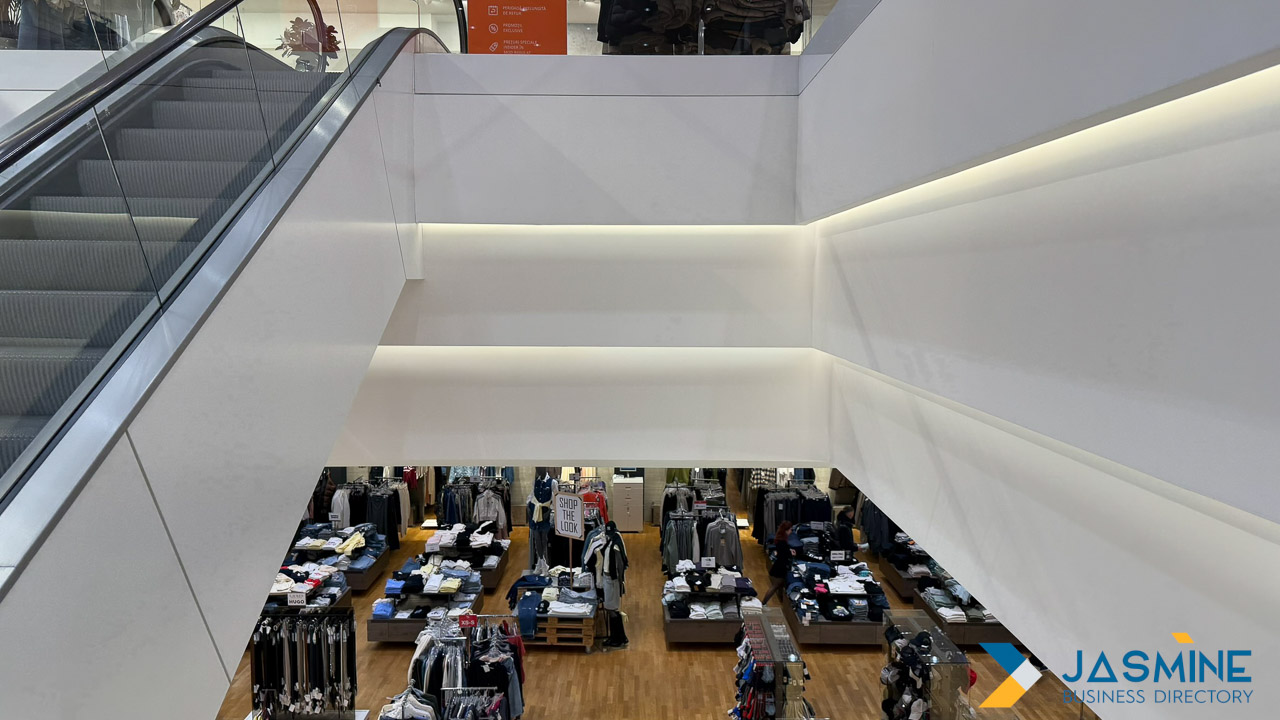
Her trajectory mirrors what larger retailers now report at scale, where resale and second-hand programs earn margins that rival, and sometimes beat, new stock.
The starting point
Maria’s first purchase was a single mixed cosmetics pallet from a liquidation platform, costing $380. It held 150 items: drugstore foundations, premium skincare samples, hair tools, and a few high-end lipsticks with slightly damaged packaging. She spent a weekend sorting, checking expiration dates, photographing each item, and listing them one by one on eBay and Facebook Marketplace.
That first pallet brought in just over $1,100 in sales within three weeks, roughly a 3x return before shipping costs. More than the money, it taught her the operational rhythm that would shape her business.
The learning curve
The second and third pallets went worse. One had far too many expired sunscreens. Another held products with broken seals she could not ethically resell. Maria estimates she lost about $200 across those two purchases.
She treated the loss as tuition rather than failure. She started requesting manifested pallets, shipments with itemised contents, even at slightly higher prices. She built a supplier scoring system, tracking fill rates, product condition accuracy, and brand mix quality on every order. Within six months she had narrowed her sourcing to three reliable liquidation vendors and knew which product categories paid off best.
The turning point
By mid-2022, Maria moved from marketplace listings to her own Shopify store and branded herself as a discount beauty destination. She added mystery beauty boxes at fixed prices, a $25 box and a $50 box, which solved two problems at once: they cleared lower-demand inventory and built a repeat customer base drawn to the surprise.
Her TikTok account, where she filmed pallet unboxings and sorting sessions, reached 40,000 followers. The content was not polished. It was honest and instructive, showing exactly what liquidation buying looks like. That openness built trust and sent steady traffic to her store.
Where she stands today
Maria now processes eight to twelve pallets a month. Her product rejection rate has fallen from 30% at the start to under 8%, a direct result of better supplier relationships and clearer quality benchmarks. She donates unsellable but usable items to local shelters, which fits her brand’s sustainability stance and earns a tax deduction.
Her advice to anyone thinking about this path is practical: “Start with one pallet you can afford to lose entirely. Learn the sorting process, understand expiration regulations in your market, and never sell anything you would not put on your own skin.”
The takeaway
Maria’s path did not depend on luck. You can repeat it because it follows a steady pattern: a small first investment, systematic learning, supplier relationship management, and brand-building through honest content. Beauty liquidation is not a shortcut. It is a real sourcing strategy that rewards patience, quality control, and consistency.
Wrapping up
Sourcing beauty liquidation pallets is a workable way to raise profits and keep pace in a competitive beauty market. Pick trustworthy suppliers, get your cost analysis right, understand the product mix, and give buyers good service, and you can build a solid resale operation. These habits improve your returns and cut waste, which helps both your business and shoppers who care about the environment.
