
Key Takeaways
- Understanding energy consumption in daily life is crucial for reducing your environmental impact.
- Making informed choices at home, on the road, and even online can significantly reduce your energy footprint.
- Simple behavioral changes, supported by technology and information, empower consumers to lower their energy use and expenses.
Understanding Energy Consumption in Daily Life
Everyday routines, from making your first cup of coffee to taking a hot shower, contribute to individual and collective energy footprints. Recognizing the energy required for daily tasks is the first step for anyone seeking to lower their environmental impact. Understanding your energy habits allows you to identify realistic opportunities for conservation.
Much of this impact is hidden from plain view but becomes clearer with a deeper look at where our energy comes from and how it is used in modern homes and workplaces. For consumers ready to make smarter energy decisions, providers like Indra Energy offer tools and services to monitor and reduce household energy use while supporting cleaner energy sources.
By tracking consumption patterns, homeowners can make informed choices about when and how to use energy most efficiently. Small, consistent changes can collectively lead to significant reductions in both bills and environmental impact.
Home Energy Use: A Closer Look
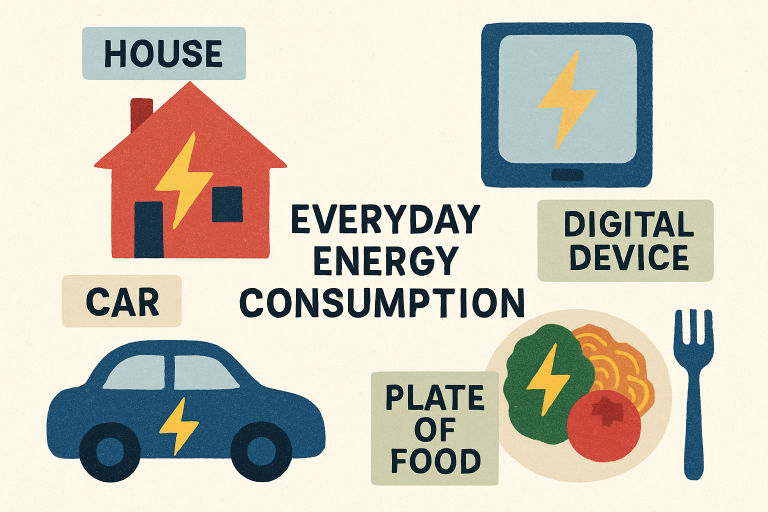
Within the home, energy consumption is often higher than anticipated. Appliances such as refrigerators, washing machines, and electronic devices are some of the major sources of energy use in a typical household. Even when switched off, many devices draw small amounts of power, often referred to as “vampire loads.”
By simply unplugging devices or plugging them into a power strip and switching it off, you can reduce unnecessary consumption. Additionally, switching to LED lighting and energy-efficient appliances can lead to long-term savings. According to The New York Times, small, consistent adjustments can translate into significant reductions in your household energy bill.
The Impact of Transportation Choices
Transportation is a leading contributor to individual energy use, with cars and air travel accounting for a significant share of global carbon emissions. Choosing public transportation, carpooling, biking, or walking not only conserves energy but also reduces traffic congestion and air pollution.
Even simple steps, such as maintaining proper tire pressure and driving efficiently, can reduce the fuel your vehicle uses. Exploring options like hybrid or electric vehicles further reduces dependence on nonrenewable energy sources. Planning daily errands to minimize travel distance and combining trips can also make a meaningful difference.
Digital Habits and Energy Consumption
The way we use digital devices, phones, computers, and tablets has an energy footprint that is often underestimated. Streaming videos, storing large files online, and routinely recharging devices use significant amounts of electricity. For example, streaming just one hour of video can emit about one kilogram of CO₂, according to studies on digital consumption. Simple actions, such as lowering screen brightness, turning off devices when not in use, and optimizing your usage patterns, help cut down energy use. Reducing unnecessary emails and decluttering the cloud can also have a positive impact, as digital infrastructure relies on constant energy input to maintain vast global networks.
Food Choices and Energy Use
Beyond the home and daily commute, energy is expended in the production and distribution of food. Locally grown produce generally requires less transportation energy than items shipped from across the globe. Similarly, eating seasonally reduces the reliance on energy-intensive refrigeration and storage. Reducing food waste by buying only what is needed, using leftovers creatively, and composting organic scraps can also save significant amounts of energy. The United States Department of Agriculture estimates that 30-40 percent of the food supply is wasted annually, suggesting a considerable opportunity for conservation at the consumer level.
Empowering Consumers Through Information
Armed with transparent and regular information about energy consumption, people are more likely to make positive changes. One study in Amsterdam demonstrated that households that received detailed energy reports combined with coaching reduced their expenses by half, pulling many out of energy poverty. Informational campaigns, accessible data, and practical tips can motivate others to adopt more sustainable energy behaviors.
Tools to Track and Reduce Energy Use
Tech-savvy consumers increasingly rely on mobile apps, smart meters, and online dashboards to monitor and manage their energy use. These resources offer personalized feedback, suggest efficient appliances, and help households set achievable sustainability targets. With such tools, tracking the outcomes of energy-saving efforts becomes both accessible and rewarding. Many of these platforms provide progress reports, comparison charts, and cost-saving analyses to support long-term changes.
Final Thoughts
Individual choices made each day collectively define our global energy future. By becoming aware of how energy is used in homes, transportation, digital activities, and diet, everyone can help mitigate climate change. Even modest lifestyle adjustments can deliver meaningful results, enhancing household budgets, nurturing healthier communities, and building a more resilient planet for generations to come.
