
Ever wonder why some local businesses become the talk of the town while others fade into the background? You know the ones I mean: those places everyone knows by name, where locals give directions using them as reference points. “Turn left at Murphy’s Bakery.” “It’s right across from that bright blue cafe.” These aren’t just businesses; they’re landmarks. And becoming one isn’t about luck or location alone. It comes down to deliberate thinking, smart positioning, and building a presence so memorable that your community can’t picture the neighbourhood without you.
Going from “just another business” to community landmark takes a mix of physical presence, brand identity, and a real grasp of what makes people remember a place and recommend it. This guide walks you through the methods that turn strategies that turn ordinary local businesses into local institutions people talk about. So here is the blueprint for making a lasting impression and building genuine community connections.
Making the most of your location
Location might seem like something you’re stuck with, but there’s far more you can do with your existing space than you might think. The trick is squeezing everything out of what you have rather than wishing for what you don’t.
Physical visibility enhancement
Visibility isn’t just about being seen; it’s about being noticed. Helping local businesses has taught me that even the most tucked-away spots can pull a crowd with the right approach. Think about that little Italian restaurant everyone raves about, the one down the narrow alley. They didn’t move to the high street. They made their location part of the charm.
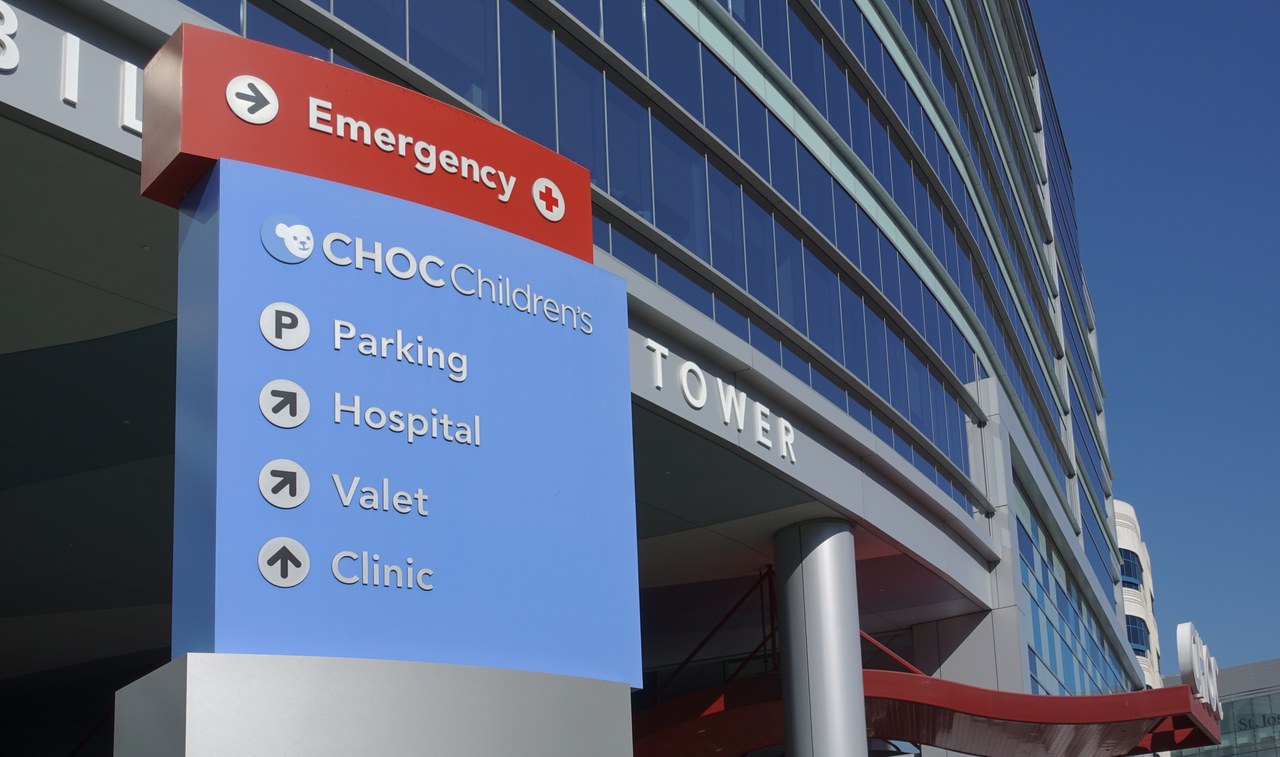
Start with your sight lines. Walk around your building from every direction a customer might approach. What do they see first? Is your business name visible from 50 metres away? Can drivers spot you in traffic? These questions decide whether people find you or drive right past.
Did you know? According to market research from the U.S. Small Business Administration, businesses with enhanced visibility see an average 23% increase in foot traffic within the first six months of improvements.
Think about your lighting too. Poor lighting doesn’t just make you harder to see. It makes you look closed, unwelcoming, or even unsafe. Invest in illumination that works during golden hour, twilight, and full darkness. LED spotlights highlighting your signage, warm window lighting that invites people to peer inside, and pathway lighting that guides customers to your entrance, both add to that landmark feel.
Vertical space is your friend. If you can’t expand outward, go upward. Tall signage, banners, or distinctive architectural features draw the eye from a distance. Check local planning regulations first, though. Nobody wants a council enforcement notice dampening their landmark dreams.
Accessibility assessment and improvement
Here’s something worth remembering: accessibility isn’t just about compliance. It’s about customer experience and your reputation in the community. Businesses known for welcoming everyone naturally become gathering places, and gathering places become landmarks.
Start with the basics, but think beyond wheelchair ramps. Consider sight lines for people of different heights, clear pathways for mobility aids, contrasting colours for those with visual impairments, and quiet spaces for customers who might be overwhelmed by noise. These improvements help everyone: parents with pushchairs, elderly customers, people carrying heavy items, and anyone who appreciates thoughtful design.
Look at your entrance from a customer’s perspective. Is it obvious where the main door is? Can people see inside before entering? Is there room to pause, get their bearings, or wait for companions? These details might seem minor, but they separate businesses that feel welcoming from those that feel intimidating.
Technology can help with accessibility too. QR codes linking to large-print menus, hearing loop systems for customers with hearing aids, or simple apps that let people order from their cars all show you’ve thought about a range of needs.
Parking and traffic flow analysis
Nothing kills the landmark dream quite like parking nightmares. Customers will drive past a business they love if parking feels like a hassle. But this is where creativity beats space. You don’t need a massive car park to solve parking problems.
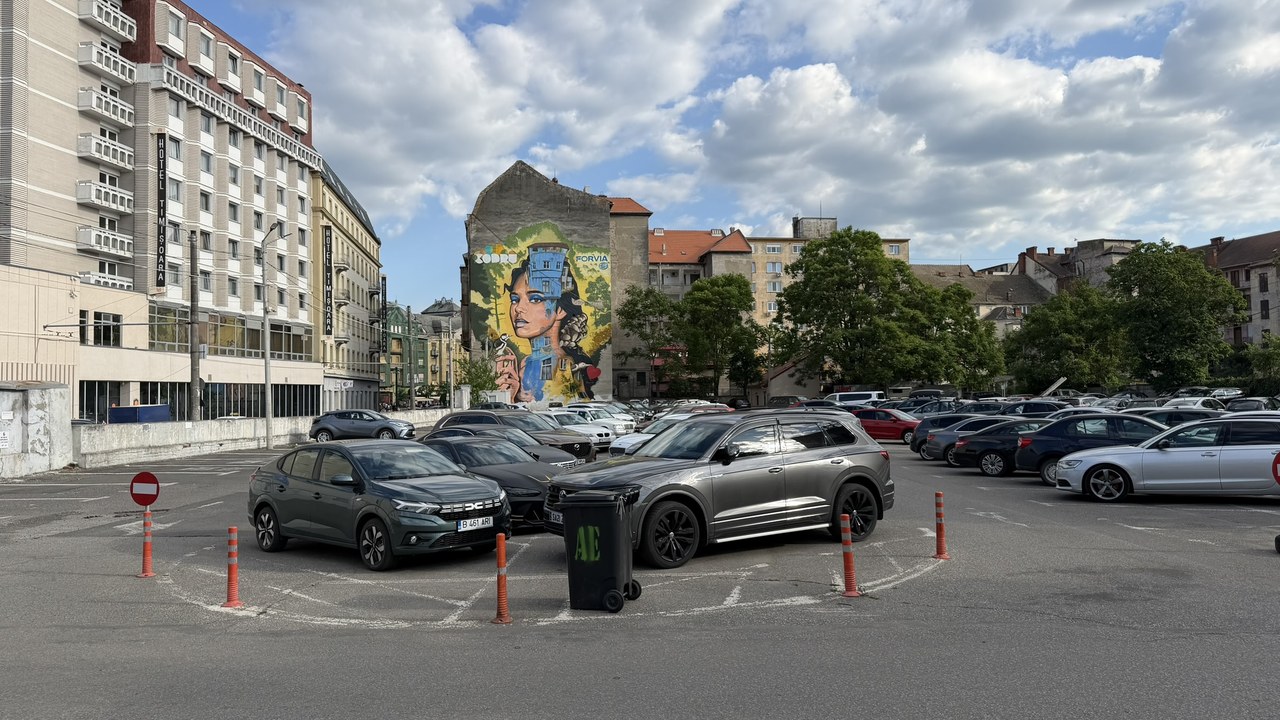
Map out your customer journey. Where do they park? How do they approach your business? Where do they struggle or get confused? Sometimes the fix is as simple as better signage pointing to nearby parking, or an agreement with neighbouring businesses to share spaces during off-peak hours.
Think about your different customer types. Rush-hour commuters need quick in-and-out access. Weekend browsers want convenient parking for longer visits. Families need space for car seats and pushchairs. Delivery drivers need loading zones. The best landmark businesses handle all of these without conflict.
Quick Tip: Partner with nearby businesses to create a “parking map” showing all available options in your area. Customers appreciate businesses that help solve their problems, even when it means directing them to competitors’ car parks.
Traffic flow isn’t only about cars. Pedestrian pathways, cycling routes, and public transport connections all affect how easily people reach you. Become the business others use as a landmark when giving directions, and you’ve achieved something special. You’re not just a destination; you’re a navigation point.
Building your brand identity
Physical presence gets people to notice you, but brand identity makes them remember you. This is where personality meets strategy, where your business stops being just another shop and starts being “that place with the…”
Creating a visual identity system
Visual identity goes well beyond a logo, though that matters too. Think of it as the business’s visual language, the consistent thread running through every customer touchpoint. The most memorable local businesses have visual systems so distinctive you’d recognise them even without the name.
Start with your colour palette. Choose colours that work in your specific environment and lighting. That gorgeous deep purple might look great on your computer screen but vanish under fluorescent street lighting. Test your colours in real conditions: early morning, midday sun, evening shadows, and artificial light.
Typography matters more than most business owners realise. Your font choices signal personality before customers read a single word. A bakery using the same typeface as a law firm sends mixed messages. And consistency across all your materials builds recognition. Your window signage, business cards, social media posts, and even handwritten notes should feel like they belong to the same business.
Consider your visual hierarchy. What do customers see first, second, third? Guide their eyes through your space and materials in a logical order: your business name, your key offering, your unique selling point, then supporting details. That’s not just good design; it’s planned communication.
Key Insight: Local landmark businesses often become recognisable by their visual elements alone, think of McDonald’s golden arches or Starbucks’ green siren. Your visual identity should be distinctive enough that regular customers could spot your business from across the street, even if they can’t read the signage.
Signage and storefront design
Your storefront is your business’s face to the world, and like any face, it needs to be expressive, welcoming, and memorable. Here’s what many businesses get wrong: they focus on looking professional when they should focus on looking authentic and approachable.
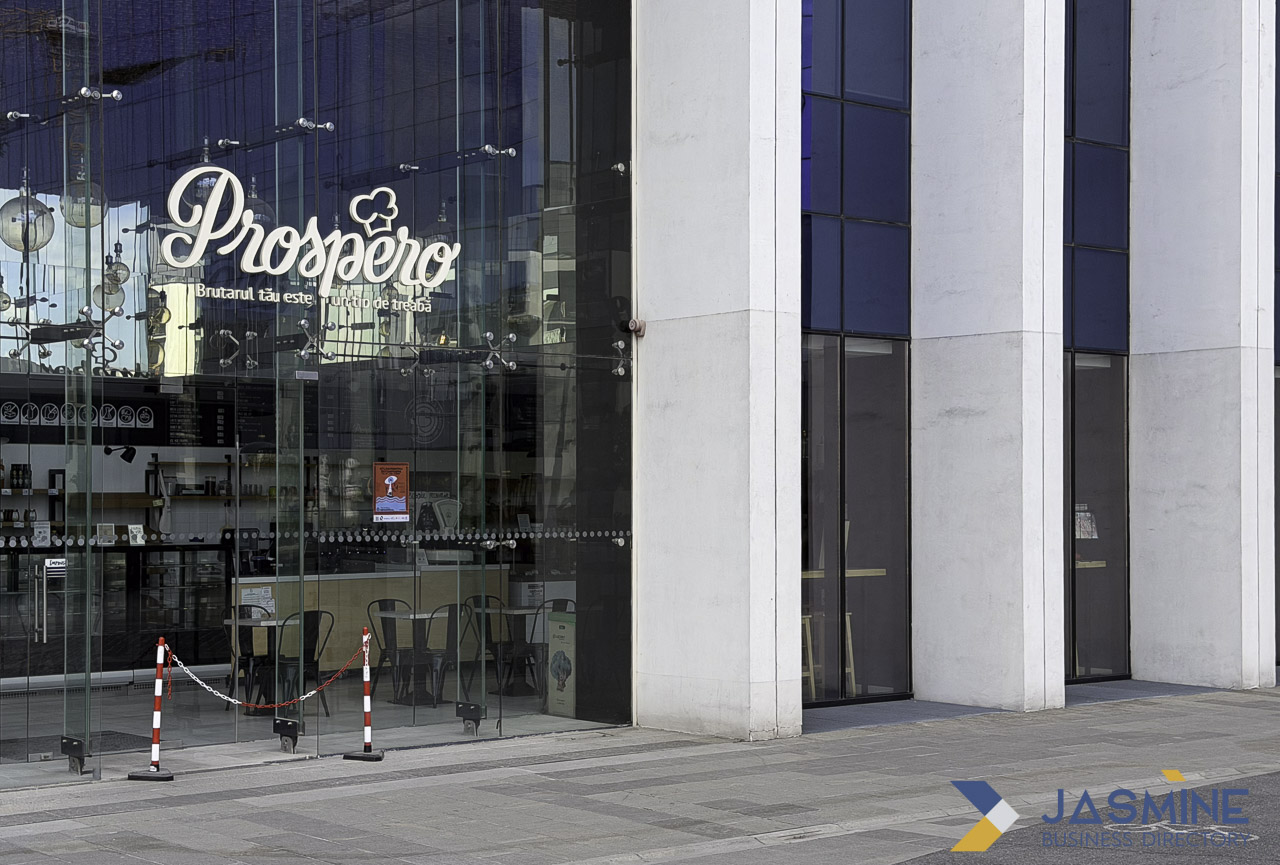
Signage hierarchy starts with your business name, but it shouldn’t stop there. What’s your main offering? What makes you different? What would make someone choose you over a competitor? Those messages need to be visible and easy to grasp in the few seconds people have to take in your storefront while walking or driving past.
Those few seconds are where a sign earns its keep, and the sign that actually stops passers-by usually says a good deal more than the business name.
Window displays are your silent sales team, working around the clock to attract attention and communicate value. They’re also storytelling opportunities. Change them regularly so regular customers have something new to notice. Seasonal displays, product spotlights, behind-the-scenes glimpses, or community connections all keep your storefront fresh.
Lighting deserves attention here. Your signage lighting should be warm and inviting, not harsh and institutional. Consider the colour temperature: cooler lights suggest output and cleanliness, while warmer lights suggest comfort and welcome. The choice depends on your business type and the atmosphere you want.
Materials communicate quality and values. Cheap-looking signage suggests cheap products or services, while overly expensive materials might intimidate price-conscious customers. Find the sweet spot that reflects your positioning and what your target market expects.
Putting your logo and colour scheme to work
Something that might surprise you: your logo isn’t just a pretty picture; it’s a recognition system. The most effective local business logos work at multiple sizes and in various contexts, from tiny social media avatars to large building signs.
Test your logo at different sizes and distances. Can you recognise it when it’s the size of a postage stamp? Is it still clear from across a busy street? These practical checks matter more than aesthetic perfection. A simple, bold logo often outperforms a complex, beautiful one in the real world.
Colour psychology plays a role, but cultural context matters more. Red might suggest energy and excitement in one community while signalling danger or aggression in another. Green could represent nature and health, or it might just remind people of the competitor down the street who uses the same shade. Research your local market and test colour reactions with actual customers.
Consistent implementation builds recognition. Your logo should sit in the same relative position and proportion across all materials. That doesn’t mean it has to be identical everywhere. You might use a horizontal version for business cards and a stacked version for social media, but the core elements should stay recognisable.
Myth Debunked: Many business owners believe their logo needs to describe what they do. Actually, the most effective logos become associated with their businesses through consistent use and positive experiences. Apple’s logo doesn’t depict computers, and Nike’s swoosh doesn’t show athletic shoes. Focus on memorability and recognition rather than literal representation.
Brand voice and messaging
Your brand voice is how your business would sound if it were a person having a conversation. Are you the friendly neighbour, the knowledgeable expert, the quirky creative, or the reliable professional? That voice should be consistent across every customer interaction, from your website copy to how staff answer the phone.
Messaging starts with understanding what your customers actually care about. In my experience, most businesses focus on what they want to say rather than what customers need to hear. Your messaging should speak to customer concerns, desires, and decision-making factors, not just list your features and qualifications.
Develop key messages for different situations. Your elevator pitch for networking events, your phone greeting for incoming calls, your social media bio, and your website homepage all need their own versions of your core message, tailored to context and audience.
Local businesses have an advantage here. You can speak directly to your community’s specific concerns, interests, and cultural references. A business in Manchester can reference local landmarks, weather, or cultural events in ways that create an instant connection with local customers and set it apart from generic chain competitors.
Storytelling turns features into benefits and benefits into emotional connections. Instead of saying “We’ve been in business for 20 years,” try “We’ve been part of this community’s story for two decades, celebrating with families through graduations, anniversaries, and everyday moments that matter.” The facts are the same, but the emotional impact is completely different.
Success Story: A small bookshop in Edinburgh transformed from struggling retailer to community landmark by developing a brand voice that positioned them as “your neighbourhood’s living room.” They changed their messaging from book sales to community connection, started hosting reading groups and author events, and became the place locals recommended to visitors. Their revenue increased 40% within 18 months, not by selling more books, but by becoming an important community gathering place.
Consistency in brand voice builds trust and recognition. Customers should be able to identify your communications even without seeing your logo. That consistency extends to how staff interact with customers, so train your team to understand and embody your brand voice in their daily work.
Consider creating a brand voice guide that covers tone, vocabulary, and messaging approaches for different situations. This keeps things consistent whether someone’s reading your website, talking to your receptionist, or seeing your social media posts. It matters especially for businesses with several staff members or those who use freelancers for marketing materials.
Local directories play a needed role in brand consistency too. When you list your business in directories like Business Web Directory, make sure your business description and messaging match your overall brand voice. These listings often show up in search results and serve as first impressions for potential customers researching local businesses.
What if your brand voice doesn’t match your personality? This is more common than you might think. The solution isn’t to fake a different personality, customers sense authenticity. Instead, find the aspects of your natural communication style that serve your business goals and grow those. If you’re naturally quiet and thoughtful, position your business as the calm, considered expert rather than trying to be the loud, energetic cheerleader.
Testing your messages with real customers reveals gaps between what you intend and what people perceive. What you think you’re communicating might not be what customers hear. Collecting feedback regularly, through surveys, casual conversations, or social media, helps you refine your messaging so it resonates.
Seasonal messaging keeps your brand voice fresh while staying consistent. Your core personality stays the same, but you can adjust topics, references, and promotional focus to match what customers need at different times of year. A garden centre might keep its knowledgeable, nurturing voice while shifting from spring planting advice to winter plant protection tips.
Remember that brand voice changes as your business and community change. What worked when you opened might need adjusting as your customer base grows. Regular brand voice audits, reviewing your communications and customer feedback, help keep your messaging relevant and effective.
Where to go from here
Turning your local business into a landmark isn’t a finish line. It’s ongoing work of community connection, honest expression, and planned positioning. The businesses that become true landmarks understand that success comes from being genuinely useful, consistently reliable, and authentically connected to the people around them.
The strategies covered here, from making the most of your physical presence to building a memorable brand identity, work best when you roll them out gradually and test them with real customers. Start with the changes that will have the biggest effect on customer experience, then build steadily toward your landmark vision.
Technology will keep changing how customers discover and interact with local businesses, but the fundamentals hold steady: visibility, accessibility, authenticity, and community connection. Businesses that master these while adapting to new tools and platforms will do well no matter how the commercial world shifts.
Landmark status starts with understanding that you’re not just selling products or services. You’re creating experiences, solving problems, and adding to your community’s story. When customers think of your business as a key part of their neighbourhood, you’ve achieved something far more valuable than another transaction. You’ve become irreplaceable.
Getting there takes patience, consistency, and real commitment to serving your community well. But the rewards, loyal customers, a strong reputation, sustainable growth, and the satisfaction of building something meaningful, make every bit of effort worthwhile. Your business can become the place people remember, recommend, and rely on. The blueprint is here. Now it’s time to build your landmark.
