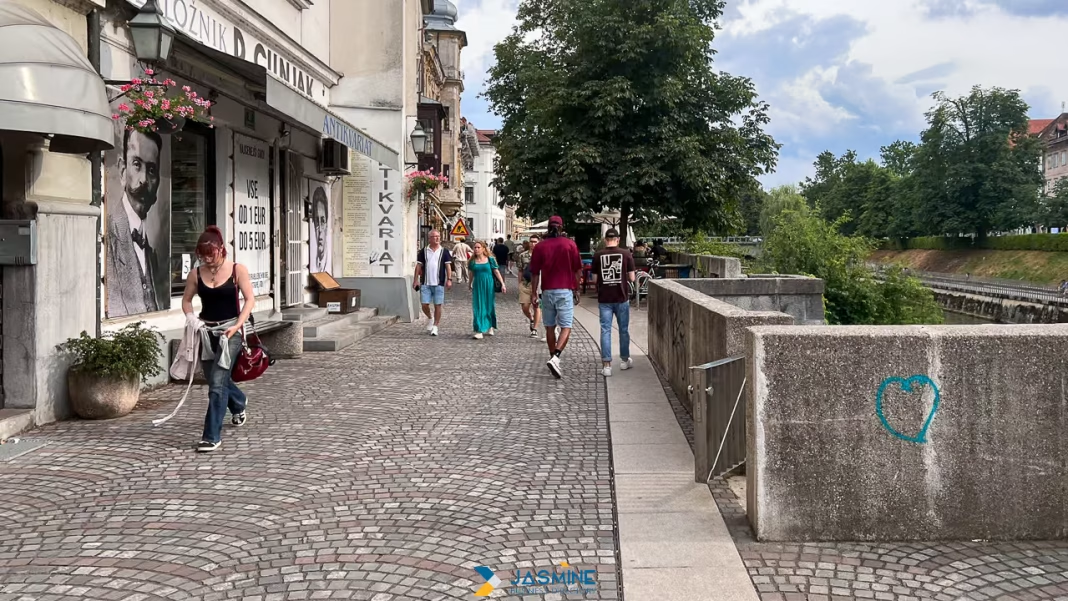
Building a local community around your brand is about more than having a physical presence. It means creating genuine connections that turn customers into advocates and neighbours into ambassadors. Whether you run a cosy cafe in Manchester or a tech startup in Birmingham, the principles hold: be authentic, be consistent, and create real value.
This guide walks you through the required steps to establish meaningful relationships within your local market. You’ll learn how to identify key participants, write messaging that connects with your specific area, and build partnerships that grow your brand’s reach. By the end, you’ll have a clear plan for turning your business from just another local option into a community cornerstone.
Local brand identity foundation
Your brand’s local identity serves as the bedrock for community building. Think of it as your business’s DNA: distinct, recognisable, and shaped by local culture. Without this foundation, your community-building work lacks direction and authenticity.
Define a community-specific value proposition
Your value proposition has to speak to local needs, not generic market demands. Start with informal interviews. Talk to existing customers, local business owners, and community leaders. What problems do they face that your business could solve?
A local bakery in Leeds taught me this. They first marketed themselves as “premium artisan bread,” which sounded impressive but landed flat. After talking to locals, they found that people wanted “fresh bread that reminds us of our grandparents’ kitchen.” That change in messaging shifted their community presence almost overnight.
Did you know? According to Brookings research on community-led initiatives, businesses that align their value propositions with local community needs see 40% higher engagement rates in their marketing efforts.
Build a value proposition that covers three things: what you do (functional benefits), how you make people feel (emotional benefits), and how you contribute to the community (social benefits). A local gym, for example, might offer affordable fitness classes, confidence-building workouts, and support for local youth sports teams.
Test your value proposition through small community interactions. Set up a stall at the farmers market, sponsor a local event, or just talk to people at the pub. Listen closely to how they respond and adjust accordingly.
Establish geographic market boundaries
Setting your geographic boundaries is more than drawing circles on a map. It means understanding the social and cultural lines that shape your community. A neighbourhood in London might cover just a few streets, while a rural community could span several villages.
Start with the practical stuff: delivery areas, service zones, or the distance people usually travel to reach you. Then add the social factors. Where do your target customers live, work, and socialise? Which local Facebook groups do they belong to? What local publications do they read?
| Boundary Type | Urban Example | Rural Example | Suburban Example |
|---|---|---|---|
| Physical | 2-3 tube stops | 15-mile radius | 5-mile radius |
| Social | Local Facebook groups | Parish councils | School catchment areas |
| Economic | Business district | Market town | Shopping centres |
Think about seasonal shifts too. A seaside business might serve locals all year but draw regional tourists in summer. Your strategy should flex with these changing boundaries.
Quick Tip: Use Google Analytics to see where your website visitors come from, then cross-reference with local postcode data to understand your natural geographic reach.
Analyse local competitor positioning
Your competitors aren’t just businesses offering similar products. Competitors are anyone contending for your community’s attention and loyalty. That includes the charity shop with its weekly coffee mornings, the pub that sponsors the local football team, and the school that runs evening classes.
Build a competitor map that covers direct competitors (same industry), indirect competitors (different industry, similar customer needs), and community competitors (organisations that engage the same audience). For each, note their community involvement, messaging, and the gaps in their approach.
Don’t only look at what they do badly. Notice what they do brilliantly. The local hardware store might have terrible social media but strong word of mouth because they remember every customer’s name and project history. That is community building at its best.
Remember: you’re not trying to beat competitors; you’re trying to find your unique space within the community ecosystem.
Look for gaps, community needs that nobody is meeting. Maybe local businesses are great at backing sports teams but ignore arts groups. Maybe everyone focuses on families and overlooks young professionals or seniors.
Create location-based brand messaging
Generic messaging falls flat in local communities. Your messaging needs local flavour: references to landmarks, local events, regional dialect, and community values. That doesn’t mean forcing local references into every sentence. It means weaving local context naturally into your brand voice.
Study how locals talk. What phrases do they use? How formal or casual is the usual conversation? Do they use regional expressions or slang? Your brand voice should sound like it belongs in local conversations, not like an outsider trying too hard.
Develop messaging pillars that link your brand values to community values. If your community prizes tradition, lean on your heritage or time-honoured methods. If innovation drives the local culture, highlight your fresh approaches.
Success Story: A tech repair shop in Brighton transformed their messaging from “Fast, reliable tech support” to “Keeping Brighton’s creative community connected.” This simple shift acknowledged the city’s artistic culture and positioned them as enablers of creativity rather than just problem-solvers.
Test your messaging across several channels: social media posts, local newspaper ads, event sponsorships, and direct conversations. Watch which messages get the most positive response and engagement.
Community stakeholder mapping
Understanding your community’s power structure and influence networks matters for effective community building. Every community has formal and informal leaders, connectors, and influencers who can amplify your message or offer valuable partnerships.
Think of stakeholder mapping as a social GPS for your community. You wouldn’t drive somewhere unfamiliar without knowing the routes and landmarks, and you shouldn’t attempt community building without understanding the social terrain.
Identify key local influencers
Local influencers aren’t necessarily people with thousands of Instagram followers. They’re the people whose opinions carry weight where you are. That might be the parish councillor who’s lived there for 40 years, the school headteacher who knows every family, or the pub landlord who runs the weekly quiz.
Start with the formal influencers: elected officials, business association leaders, charity heads, and religious leaders. Then map the informal ones: the person who runs the neighbourhood WhatsApp groups, the coffee shop regular who knows everyone’s business, the volunteer who coordinates events.
Myth Buster: Many businesses assume they need to partner with the most visible community figures. In reality, research from the National Humanities Alliance shows that mid-level connectors, people with moderate but diverse networks, often provide better community access than high-profile figures.
Build a profile for each key person: their interests, values, communication preferences, and current community involvement. This isn’t about manipulation. It’s about approaching them respectfully and aligning with what they already care about.
Engage with influencers honestly. Go to events they host, support causes they champion, or just have real conversations about community needs. Building relationships takes time, but the return in community credibility is large.
Map business partnership opportunities
Local businesses can be your greatest allies in community building. They know the local market, have existing customer relationships, and often share your challenges. The trick is finding businesses that complement yours rather than compete with them.
Look for natural pairings: a florist and a wedding venue, a gym and a health food shop, a bookstore and a cafe. But don’t stop at the obvious ones. Sometimes the unexpected partnerships create the most memorable community experiences.
| Partnership Type | Example | Community Benefit | Business Benefit |
|---|---|---|---|
| Cross-promotion | Cafe + Bookshop | Cultural hub creation | Shared customer base |
| Event collaboration | Gym + Nutritionist | Health education | Enhanced ability |
| Resource sharing | Restaurants + Local farms | Support local economy | Fresh ingredients |
| Skill exchange | Tech shop + Art gallery | Innovation meets creativity | New customer segments |
Think about seasonal partnerships too. A garden centre might partner with a home decor shop for spring renovations, then team up with a caterer for summer garden parties. Partnerships that evolve keep your community engagement fresh.
What if: Instead of viewing other businesses as competition, you saw them as pieces of a community puzzle? How might this shift in perspective open new collaboration opportunities?
Document potential partnerships in a systematic way. Note each business’s customer demographics, peak seasons, marketing channels, and community involvement. That information helps you write partnership proposals that work for everyone.
Catalog community organizations
Community organisations are the backbone of local engagement. They have established audiences, regular meeting schedules, and a genuine community focus. Partnering with them gives you instant credibility and access to engaged members.
Map both formal and informal organisations. Formal groups include registered charities, sports clubs, religious organisations, and professional associations. Informal groups might be hobby clubs, social media groups, or regular gatherings like walking groups or book clubs.
Research from the Robert Wood Johnson Foundation on community collaboration shows that businesses engaging with three or more community organisations see much higher local brand recognition and customer loyalty.
Quick Tip: Check your local council website, community centre notice boards, and Facebook groups to discover organisations you might have missed. Many communities have hidden gems, small groups with passionate members.
For each organisation, note their mission, how often they meet, membership size, and current needs. Many community groups struggle with funding, venue space, or promotion, and those are areas where your business might help as you build the relationship.
Approach organisations because you care about their mission, not just what they can do for you. Attend a few meetings as an observer before you propose anything. Understanding their culture and priorities will help you craft better collaboration proposals.
Consider keeping a community organisation database that you update regularly. Include contact details, key dates such as annual events and membership drives, and notes on past interactions. That approach keeps you from missing opportunities or accidentally approaching the same group twice.
Where to go from here
Building a local community around your brand is ongoing work rather than a finish line. As you put these strategies into practice, remember that authentic community building takes time, patience, and genuine commitment to adding value to people’s lives.
The best local brands give before they receive. Support local causes, celebrate community wins, and be present in the good times and the hard ones. Consistent presence and genuine care turn casual customers into loyal advocates.
Consider listing your business in established directories like Business Web Directory to increase your local visibility and make it easier for community members to find and connect with you.
Start small and build momentum. Pick one stakeholder group to focus on first, develop one strong partnership, or commit to supporting one community organisation consistently. Success here comes from the depth of your relationships, not the breadth of your activity.
Track your progress with numbers (website traffic from local searches, social media engagement from local followers) and with softer signals (word-of-mouth referrals, event invitations, local media coverage). These measures help you refine your approach and show the value of your investment.
Every community is different. What works in a busy city centre might not suit a quiet village, and tactics that succeed in affluent areas may need adjusting for working-class communities. Stay flexible, listen actively, and adapt as you get feedback and as local needs change.
The businesses that thrive locally become part of the social fabric. They’re not just places to buy things. They’re gathering spots, supporters of local dreams, and contributors to community identity. That’s the level of integration you’re after, and with steady effort and genuine care, it’s well within reach.
