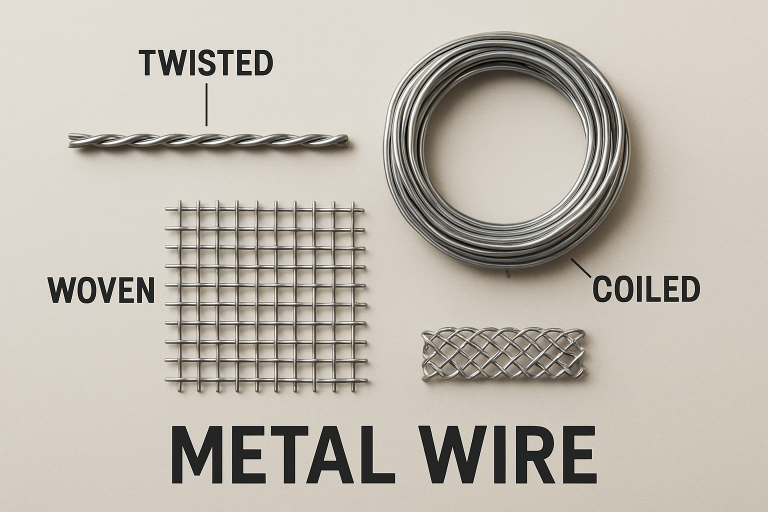
Metal wire combines flexibility with strength, which is why it has become a staple material for creative projects in many industries. It shows up in bold art installations and in quiet home decor alike, and it keeps inspiring new ideas thanks to its range and visual punch. From sturdy steel cables to delicate threads of gold wire for jewellery making, the material’s uses are nearly limitless and keep changing to meet current design needs.
As trends move toward sustainability and multiple functions, metal wire fits both roles at once: it can be a working component and a visual feature.
Because it bends so readily, makers can sculpt expressive forms, reinforce structures, and support new technologies, all while opening eco-friendly routes for upcycling and cutting waste. Designers and makers keep experimenting with this medium, finding new techniques and unexpected combinations for both practical and artistic problems.
Artistic expressions with wire
Modern wire art takes on many forms, from intricate sculptures that twist and curl through space to large installations suspended in public places. Artists reach for metal wire because it can build three-dimensional structures without heavy visual weight. It works well with light and shadow, which encourages viewers to look at a piece from several angles.
Wire rope mesh in particular lets artists build expansive installations that seem to defy gravity and pull audiences into the space around them. For a closer look at how wire mesh widens creative options in art, this overview of wire in art installations shows what it can do.
Outside galleries, metal wire turns up in everyday crafts, jewelry, and mixed-media work. It rewards experimentation, pairing with glass beads, recycled objects, or ceramics to produce vivid, personal pieces. Many artists also choose recycled or upcycled wire to lower their environmental impact, which brings that awareness directly into the work.
Wire in architectural designs
Metal wire elements show up more and more in modern architecture, where form and function meet. Architects use galvanized steel cables for their strength, long life, and industrial look, shaping pedestrian bridges, railing systems, and dramatic artwork that brings city spaces to life.
These cables can also reinforce building facades, combining structural strength with open, transparent design. Such installations reshape public spaces, adding durability while giving cityscapes texture and movement. If you want to see how these materials add to the life of urban spaces, look at real-world examples of galvanized steel cables in city art.
Along with dramatic installations, wire mesh balustrades and partition walls give lightweight, see-through options in place of solid barriers, keeping natural light without giving up security. Pairing use with looks this way has made metal wire a central part of contemporary architecture.
Functional home decor
Interior designers and hobbyists both value the practicality and artistic flair of metal wire in home decor. Designers make everything from wire-wrapped jewelry and minimalist baskets to custom lampshades and wall art, using the material’s flexibility to suit many interiors. Wire goods bring a clearly modern or industrial edge, and their range of finishes, such as gold, copper, and matte black, lets them slot into different looks with ease.
Wire also plays well against textiles, and setting it beside new fabric patterns for the home is one of the easier ways to change how a room feels.
If you want fresh ideas for wire around the house, you can draw on home decor designers working with metal wire.
The same blend of function and artistry shows up in wire organizers, hanging plant holders, and sculptural furniture accents, all of which mix visual charm with a real purpose. This move toward joining practicality and beauty appeals to people who want to personalize their space thoughtfully and sustainably.
Gardening and landscaping
Metal wire has a well-earned place outdoors too. Gardeners use sturdy wire mesh, such as chicken wire netting, to make trellises, cages, and barriers that support plants and keep pests out.
These structures brace delicate stems and vines and also add a rustic, handmade charm to the landscape. For creative and practical wire ideas in your own garden, see this guide on using chicken wire in home and garden applications.
Landscape architects often work heavy-gauge wire into fencing, sculptural installations, and even outdoor seating, blurring the lines between nature, utility, and art in open-air settings.
Technological advancements in wire usage
New technology has brought wire mesh embedded with sensors that monitor structural or environmental conditions. These smart meshes extend the practical strengths of metal wire, giving live feedback that matters for building maintenance and safety. Such tools are changing construction and infrastructure, and also agriculture and security.
Sensor-embedded wire meshes, for example, are becoming central to sustainable building management, offering predictive readings that cut maintenance costs and improve safety. To read more about where this is going, see recent advancements in smart wire mesh.
Beyond buildings, metal wire also appears in wearable technology and medical devices, where precise conductivity and flexibility are essential.
Sustainable practices and upcycling
Sustainability sits at the front of modern design, and metal wire gives plenty of options for upcycling and reuse. Makers turn leftover wire into jewelry, lamps, storage solutions, and decorative objects, giving new life to material that might otherwise be thrown out.
Upcycling wire is cheap and easy on the environment, and it sets creative challenges that often produce genuinely original results. For tips and plenty of project ideas, look at The New York Times’ guide to recycling and upcycling.
These habits let both makers and buyers rethink materials and lean into eco-conscious living, which points to a more resourceful and imaginative future.
Metal wire is one of the most versatile materials in both professional and DIY work, sitting between plain function and visual appeal. Its bendability, strength, and range of finishes make it useful across industries from construction to interior design, while its low cost and wide availability have made it a favorite among crafters and makers.
Structural and functional applications
In construction and industrial settings, metal wire does real structural work. Reinforcement wire mesh strengthens concrete foundations and walls, and tensile wire systems create modern railings for staircases and balconies. These uses show the load-bearing side of wire while keeping the clean look that suits contemporary architecture.
Cable management is another practical area where metal wire works well. Wire cable trays and basket systems organize electrical installations in commercial buildings, data centers, and factories. The open structure lets heat escape and keeps access easy for maintenance, while galvanized or stainless steel options hold up in demanding environments.
Farm uses show off wire’s durability outdoors. Fencing systems, vineyard trellises, and greenhouse frames rely on galvanized steel wire to take weather exposure. When it is treated properly, its resistance to corrosion suits permanent installations that need little maintenance over decades.
Decorative and artistic implementations
Beyond utility, metal wire has become a refined design element. Wire mesh panels in various gauges and patterns make striking architectural features: partition walls that keep a visual connection while dividing spaces, decorative screens that cast fine shadows, and facade elements that add texture and depth to building exteriors.
In furniture, wire construction gives both transparency and strength. Wire chairs, from mid-century classics to newer designs, offer seating that looks like it floats. Storage pieces such as wire baskets and shelving units mix an industrial look with practical organization, and they show up often in Scandinavian and minimalist interiors.
Lighting design uses wire’s knack for three-dimensional forms. Wire pendant lamps, from simple cages to complex geometric patterns, spread light while acting as sculptural focal points. Because wire conducts, it also works for integrated LED installations where the wire itself is part of the lighting circuit.
DIY and craft projects
For hobbyists and crafters, metal wire opens up plenty of options. Wire jewelry making uses copper, silver, and brass wire in various gauges for earrings, bracelets, and pendants, built through wire wrapping, weaving, and coiling. Because these techniques are approachable, wire jewelry has become a common way into metalworking.
Garden projects gain from wire’s outdoor compatibility. Tomato cages, plant supports, and decorative garden stakes can be made from heavier gauge wire, while delicate wire sculptures add artistic touches to landscaping. Wire mesh can be shaped into custom planters or used as climbing structures for vines and flowering plants.
Home organization projects often use wire. Custom closet dividers, magazine holders, and wall-mounted organizers can be built to exact specifications. Because wire takes paint well, you can color it to match any decor scheme.
Material selection considerations
A wire project depends on picking the right wire. Stainless steel resists corrosion best for outdoor or moisture-prone uses. Galvanized steel gives good weather protection at lower cost. Copper wire develops an attractive patina and suits decorative projects where the look changes over time. Aluminum wire is lightweight and easy to handle on large installations.
Gauge affects both workability and strength. Thinner gauges (higher numbers) bend easily for fine work but hold little structural weight. Thicker gauges (lower numbers) are stronger but need the right tools for cutting and shaping. Most projects do best with a mix of gauges: heavy wire for structure and lighter wire for the decorative details.
Where wire keeps going
Metal wire keeps proving useful as both a creative and functional material for projects of every kind. Its work across art, design, architecture, gardening, technology, and sustainability shows how adaptable it is and how it keeps prompting new ideas.
As new technologies and design movements emerge, the possibilities for creative wire usage will only grow, which points to a run of meaningful and original projects ahead.
