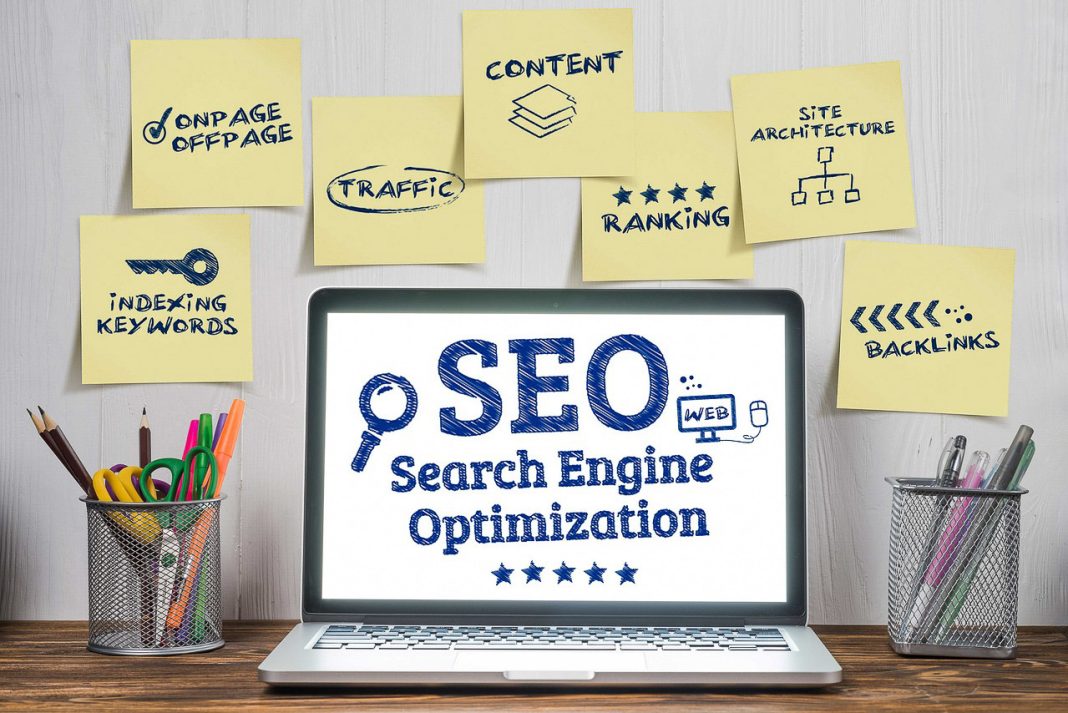
Digital marketing loves a dramatic headline. “SEO is dead” articles have circulated since the early 2000s, yet search engine optimisation keeps evolving and keeps delivering results for businesses worldwide. What’s actually happening is not the death of SEO but its natural evolution, as it adapts to changing technologies, user behaviours, and search engine algorithms.
In 2025, traditional SEO practices remain foundational to online success, but they’ve been added to by new dimensions that reflect how sophisticated modern search engines have become. The core principles still matter a great deal: quality content, relevant keywords, authoritative backlinks, and technical excellence.
This article looks at the current state of SEO, debunks myths about its supposed death, and offers practical strategies for businesses in the changing search environment. We’ll look at how traditional SEO practices have adapted rather than disappeared, and why businesses that abandon SEO fundamentals risk digital invisibility.
Actionable facts for industry
Start with concrete insights about the current state of SEO that directly affect your digital marketing strategy:
Traditional SEO elements that still matter in 2025
- On-page optimisation: Strategic keyword placement, quality content, and proper HTML structure remain important ranking factors.
- Backlink quality: High-authority, relevant backlinks continue to strongly influence domain authority and rankings.
- Technical SEO: Site speed, mobile-friendliness, secure connections, and structured data matter more than ever.
- Local SEO: Business listings, local keywords, and Google Business Profile optimisation remain essential for location-based businesses.
The idea that these elements no longer matter is simply wrong. What has changed is how carefully search engines evaluate them.
Evolved SEO practices for 2025
Traditional SEO hasn’t died. It has evolved to include these elements:
- User experience metrics: Core Web Vitals and engagement signals now directly affect rankings.
- AI content evaluation: Google’s systems can now judge content quality beyond simple keyword matching.
- Entity-based search: Search engines now understand concepts and entities, not just keywords.
- Voice search optimisation: With 40% of adults using voice search daily, natural language optimisation is essential.
- Video and visual search: Multimedia content now appears prominently in search results.
According to research from the U.S. Small Business Administration, businesses that adapt to emerging market trends consistently outperform competitors. The same holds for SEO: companies that evolve their strategies while keeping traditional foundations see the best results.
Strategic facts for industry
Beyond tactical considerations, there are strategic realities about SEO that every business leader should understand:
The integration of traditional and modern SEO
New developments haven’t replaced traditional SEO. They’ve created a more complex ecosystem where multiple factors work together:
| Traditional SEO Element | Modern Evolution | Strategic Approach |
|---|---|---|
| Keyword Research | Intent-Based Content Mapping | Research both keywords and the underlying user needs they represent |
| Backlink Building | Brand Authority Development | Focus on earning links through quality content and industry leadership |
| On-Page Optimisation | Content Experience Design | Optimise for both search engines and human engagement metrics |
| Technical SEO | Technical Experience Optimisation | Address both crawlability and user experience factors |
| Local Citations | Omnichannel Local Presence | Create consistent business information across directories, maps, and platforms |
The most successful SEO strategies in 2025 integrate these elements rather than choosing between them.
The business value of traditional SEO in 2025
Traditional SEO practices continue to deliver real business value:
- Cost efficiency: Organic search traffic has a 14.6% close rate, compared to 1.7% for outbound marketing.
- Compound returns: Unlike paid advertising that stops working when you stop paying, SEO investments keep delivering value over time.
- Brand credibility: High organic rankings signal authority to potential customers.
- Competitive advantage: As some competitors abandon SEO fundamentals, those who maintain them gain market share.
According to Birdeye’s research on business directories, keeping listings in quality directories remains one of the most effective ways to boost your SEO while also improving brand visibility. Their January 2025 report lists better local visibility and stronger online presence among the top benefits.
Reality: Quality, curated directories still provide legitimate SEO value through authoritative backlinks, consistent NAP (Name, Address, Phone) citations, and increased brand visibility. The key is selecting reputable directories with strict quality standards.
Valuable research for market
Recent research provides compelling evidence that traditional SEO practices remain vital while evolving to meet new challenges:
The continued dominance of search
Despite the growth of social media and other channels, search engines remain the main way users find information and businesses online:
- Google processes over 8.5 billion searches per day in 2025
- 63% of shopping journeys begin with a search engine
- Local searches lead 76% of mobile searchers to visit a business within 24 hours
- The first organic result in Google Search has an average click-through rate of 27.6%
These numbers show why abandoning SEO would be a serious strategic mistake for most businesses.
The evolution of search engine algorithms
Google’s algorithm updates over the past few years have consistently reinforced traditional SEO principles rather than abandoned them:
- 2023 Helpful Content Updates: Reinforced the importance of quality, user-focused content
- 2024 Experience Update: Expanded Core Web Vitals to include more user experience metrics
- 2025 Authority System: Enhanced evaluation of site authority and expertise
These updates didn’t kill traditional SEO. They made it more sophisticated by adding layers that reward truly valuable content and excellent user experiences.
A mid-sized retail chain that kept consistent directory listings across 25 quality business directories, including industry-specific and general directories like Jasmine Web Directory, saw a 43% increase in local search visibility over 12 months. Its approach combined traditional local SEO tactics with modern user experience improvements, and produced a 37% increase in store visits attributed to online searches.
The integration of AI in search
Artificial intelligence has changed how search engines understand content, but this hasn’t eliminated traditional SEO. It has made it more nuanced:
- AI can now judge content quality based on expertise, authority, and trustworthiness
- Natural language processing lets search engines understand context and intent
- Machine learning systems can spot patterns that indicate manipulative SEO tactics
These advances mean traditional SEO tactics focused on quality content and legitimate authority building work better than ever, while manipulative tactics grow less effective.
According to Seward Chamber of Commerce’s membership benefits page, businesses with optimised directory listings gain real advantages in digital visibility. Their data shows that “customizable listings include business contact information, photos, direct links to…” websites and social platforms, creating a comprehensive digital footprint that search engines can easily recognise and reward.
Essential introduction for businesses
For business owners and marketing professionals, understanding the current state of SEO means separating fact from fiction:
Why “SEO is dead” headlines keep appearing
These provocative headlines persist for a few reasons:
- Click generation: Controversial headlines drive traffic and engagement
- Selling alternatives: Many articles claiming “SEO is dead” are selling alternative services
- Misunderstanding evolution: Changes in SEO practices get misread as the death of SEO itself
- Focusing on obsolete tactics: Specific outdated practices like keyword stuffing are indeed dead, but they don’t represent SEO as a whole
The real state of SEO in 2025
SEO in 2025 is more nuanced than the headlines suggest:
- More sophisticated: Search engines are better at identifying quality and relevance
- More user-focused: User experience metrics directly affect rankings
- More integrated: SEO now overlaps with content marketing, user experience design, and brand building
- More competitive: Higher quality standards mean more effort is required to rank well
Far from being dead, SEO has matured into a discipline that rewards genuine value creation.
Here’s a parallel from an entirely different field. A Reddit discussion about “Dead Poets Society” notes how Mr. Keating wasn’t “teaching in a traditional sense” but rather “influencing how the boys think.” Modern SEO is much the same: it isn’t about manipulating algorithms but about influencing how search engines understand the value of your content.
The business case for continued SEO investment
The case for maintaining and evolving your SEO strategy is strong:
- Cost-effectiveness: The average cost per lead from SEO is lower than paid search, social media advertising, or traditional outbound marketing
- Long-term value: SEO investments keep delivering returns over time, unlike paid advertising that stops when you stop paying
- Trust building: Organic search results carry more credibility with consumers than advertisements
- Market intelligence: SEO research offers useful insights into customer needs and behaviours
The Oregon Secretary of State’s business resources point out that businesses with comprehensive online visibility, including business directories and SEO, consistently outperform those with limited digital footprints. Their data on newly registered businesses shows that those using strong SEO strategies from the start grow faster than those neglecting this channel.
Strategic benefits for operations
Beyond marketing, SEO delivers operational benefits that affect the whole business:
SEO as a business intelligence tool
Modern SEO research provides valuable business intelligence:
- Customer needs identification: Keyword research reveals what your market is actively seeking
- Competitive analysis: SEO tools show competitor strategies and market positioning
- Market trend detection: Search trend analysis helps identify emerging opportunities
- Product development guidance: Search query analysis can inform product features and messaging
This intelligence function delivers value well beyond driving website traffic.
The integration of SEO across business functions
In forward-thinking organisations, SEO has evolved from a siloed marketing tactic to an integrated business function:
| Business Function | SEO Integration Point | Business Benefit |
|---|---|---|
| Product Development | Search trend analysis informs feature prioritisation | Products better aligned with market demand |
| Customer Service | FAQ content optimisation addresses common issues | Reduced support tickets, improved customer satisfaction |
| Sales | SEO-informed messaging improves sales conversations | Higher conversion rates, shorter sales cycles |
| Public Relations | SEO considerations guide press release creation | Increased visibility for company news and announcements |
| Recruitment | Career page optimisation attracts qualified candidates | Improved talent acquisition, reduced recruitment costs |
This shows how SEO has become more important to business operations, not less.
Practical implementation for businesses in 2025
To run an effective SEO strategy in 2025, businesses should:
- Maintain traditional foundations: Keep investing in quality content, technical excellence, and legitimate authority building
- Integrate user experience: Optimise for engagement metrics and Core Web Vitals
- Use structured data: Implement schema markup to help search engines understand your content
- Focus on E-E-A-T: Show Experience, Expertise, Authoritativeness, and Trustworthiness in your content
- Build a comprehensive online presence: Keep consistent information across business directories, social platforms, and industry websites
The Stanford Encyclopedia of Philosophy’s examination of the definition of death offers an interesting parallel. Just as medical standards for determining death have evolved while the concept remains unchanged, SEO practices have evolved while the core objective, visibility in search, stays constant.
A mid-sized B2B software company that was told “SEO is dead” by a consultant almost abandoned its organic search strategy for paid channels alone. Instead, it kept its SEO foundation while adding new elements like user experience optimisation and entity-based content. Within six months, organic traffic rose 34% while cost per acquisition fell 27% compared to paid channels alone.
The role of business directories in modern SEO
Quality business directories still play a valuable role in a full SEO strategy:
- Authoritative backlinks: Listings in reputable directories like Jasmine Directory provide valuable backlinks from trusted domains
- NAP consistency: Consistent business information across directories strengthens local SEO signals
- Industry relevance: Listings in industry-specific directories signal sector authority
- Trust signals: Presence in established directories builds consumer confidence
The key is selectivity: focus on quality directories with editorial standards rather than mass submission to low-quality sites.
According to a popular Reddit thread about movies, audiences can easily spot authenticity versus formulaic approaches. The same applies to SEO. Search engines have grown better at telling genuine quality signals from artificial attempts to manipulate rankings.
Strategic conclusion
Traditional SEO isn’t dead. It has grown into a more sophisticated discipline that continues to deliver real business value. The core principles still hold, but they’ve been added to by new dimensions that reflect the increasing sophistication of search engines and user expectations.
Businesses that abandon SEO fundamentals based on misleading “SEO is dead” headlines risk losing visibility in the channel that still drives most high-intent website traffic. The most successful digital strategies combine traditional SEO foundations with modern enhancements.
Actionable next steps
To strengthen your SEO strategy in 2025:
- Audit your current SEO performance to find strengths and gaps
- Make sure technical foundations are solid, including mobile optimisation and page speed
- Develop a content strategy that addresses both traditional keywords and user intent
- Build a consistent business presence across quality directories and platforms
- Bring user experience metrics into your SEO evaluation framework
- Implement structured data to help search engines understand your content
- Develop an authority-building strategy focused on earning quality backlinks
These steps position your business to benefit from both traditional SEO fundamentals and modern enhancements.
Frequently asked questions
Q: If traditional SEO still works, why do I keep seeing “SEO is dead” headlines?
A: These headlines generate clicks and often precede articles selling alternative services. Most actually argue that specific outdated tactics are dead, not SEO itself.
Q: Do business directories still provide SEO value?
A: Quality, curated directories still provide legitimate SEO value through authoritative backlinks and consistent business information. The key is choosing reputable directories with editorial standards.
Q: How has AI changed SEO?
A: AI has made search engines better at understanding content quality, user intent, and manipulative tactics. That has made traditional quality-focused SEO more effective while making manipulative tactics less effective.
Q: What traditional SEO elements should I maintain in 2025?
A: Keep investing in quality content, technical excellence, authoritative backlinks, logical site structure, and consistent business information across the web.
Q: How do I balance traditional SEO with newer developments?
A: Keep traditional foundations while adding user experience optimisation, entity-based content, and structured data. The most successful strategies combine proven fundamentals with thoughtful adoption of new approaches.
