
Every time I scroll through social media these days, I run into AI-generated art, ChatGPT-written copy, and algorithm-composed music. It’s enough to make any creative professional wonder if they’ll soon be filing for unemployment benefits. But while AI tools are getting more sophisticated, the question isn’t whether machines can create. It’s whether they can innovate, empathise, and surprise us in ways that matter.
This article looks at the differences between artificial intelligence and human creative ability, and why businesses still need that human spark. We’ll get into the practical implications for companies, the real value of human creativity in business, and why your next marketing campaign might fail badly if you rely only on algorithms.
AI vs human creative capabilities
Let me start with a confession: I’ve tested dozens of AI creative tools over the past year. Some results were genuinely impressive. Others made me cringe harder than watching my dad attempt TikTok dances. AI and human creativity work on different principles, and each has clear strengths and obvious weaknesses.
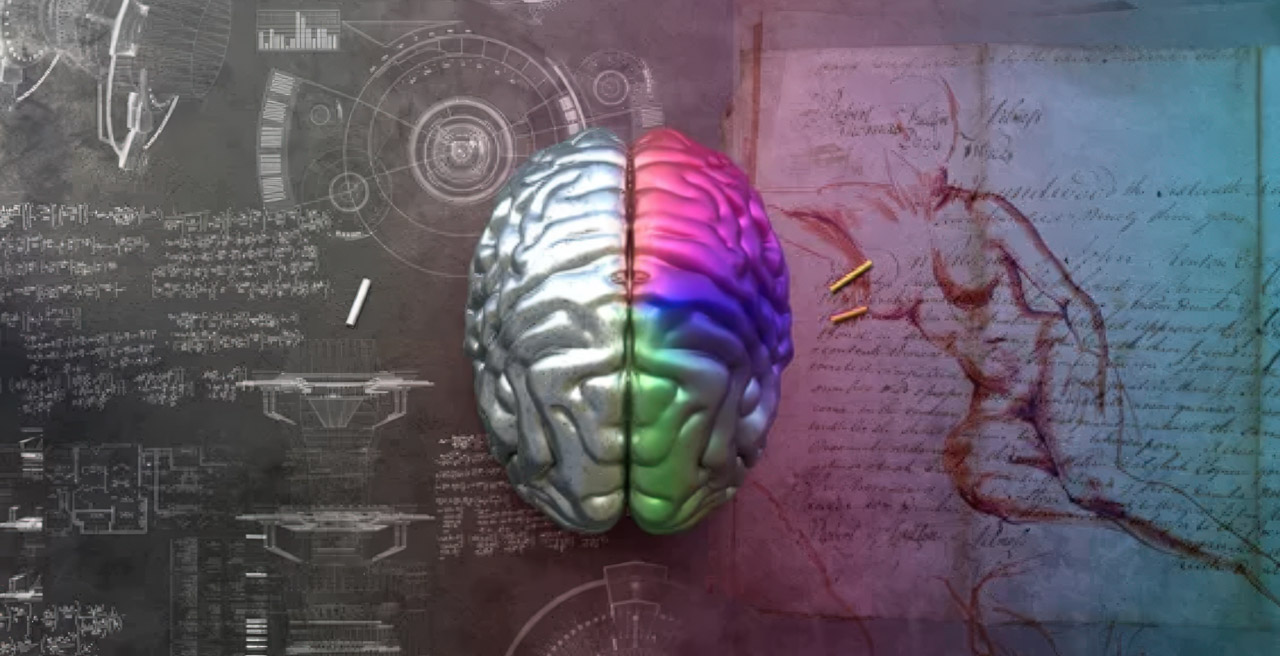
Did you know? According to research published in Nature, humans still outperform AI on creative divergent thinking tasks, especially when the goal is generating original, contextually appropriate ideas.
AI is good at pattern recognition, data processing, and rapid iteration. It can analyse millions of images in seconds, identify trending topics, and generate variations on existing themes faster than you can say “machine learning.” But, and this is a big but, it struggles with real originality, emotional nuance, and any context that goes beyond surface-level patterns.
Pattern recognition limitations
Here’s where it gets interesting. AI systems are sophisticated pattern-matching machines. They’ve been trained on huge datasets of existing creative work, learning to spot and replicate successful formulas. Think of them as the ultimate cover band: technically proficient but rarely inventive.
I’ll let you in on a secret: most AI-generated content follows predictable templates. Whether it’s writing, visual art, or music composition, these systems lean on recombining existing elements rather than creating genuinely new concepts. They’re great at producing more of the same, but they struggle when you need something that breaks the mould entirely.
Take logo design. An AI can generate hundreds of variations based on current design trends, colour psychology, and industry standards. But can it come up with a brand identity that captures the essence of a startup’s new approach to sustainable packaging? That takes an understanding of visual aesthetics, business strategy, cultural context, and future market positioning.
The limitation gets clearer in harder creative challenges. When Airbnb needed to rebrand from a simple room-sharing platform to a global travel community, the answer wasn’t in pattern recognition. It needed a deep understanding of human psychology, cultural shifts, and brand storytelling that goes well past what algorithms can do.
Contextual understanding gaps
Context is where AI creativity hits a brick wall. Machines can process information, but they can’t really grasp the subtle cultural, emotional, and situational cues that shape human creative decisions.
From working with various creative teams, I’ve seen that the best campaigns often come from understanding what isn’t said: the subtext, the cultural undercurrents, the timing that makes certain messages land. AI might know that red evokes passion and urgency, but it doesn’t understand why using red in a healthcare campaign during a pandemic might be tone-deaf.
Here’s a practical example. During the 2020 lockdowns, many brands changed their messaging to acknowledge the moment. AI could analyse sentiment data and suggest “empathetic” language, but human creatives understood the delicate balance between acknowledging hardship and avoiding exploiting tragedy for marketing.
Key Insight: Contextual creativity means understanding not just what works, but when, why, and for whom it works, which is still a uniquely human thing.
Cultural sensitivity is another big challenge for AI. What’s funny in one culture might be offensive in another. A colour combination that’s auspicious in Chinese culture could signal mourning somewhere else. These nuances need lived experience, cultural immersion, and emotional intelligence that current AI systems just don’t have.
Emotional intelligence deficits
This is where the gap between human and artificial creativity shows most. Emotional intelligence isn’t just recognising emotions. It’s understanding their complexity, their contradictions, and how they change over time.
Humans feel emotions in layers. We might feel excitement about a new opportunity while also feeling anxiety about change. We can hold contradictory feelings and work through complicated emotional states that shape our creative choices. AI systems, for all their sophistication, run on simplified emotional models that miss these nuances.
My work with brand storytelling has taught me that the most compelling narratives often come from emotional paradoxes: the vulnerability within strength, the hope within struggle, the humour within adversity. These aren’t patterns you can easily codify or hand to an algorithm.
Think about the difference between an AI-generated sympathy card and one written by someone who has actually experienced loss. The AI might use the right language and structure, but it lacks the emotional resonance that comes from genuine understanding and shared experience.
Quick Tip: When you’re evaluating AI-generated creative content, ask yourself: “Does this feel emotionally authentic, or does it read like someone trying to mimic emotions they’ve never actually felt?”
Original concept generation
True originality often comes from combining seemingly unrelated ideas in unexpected ways. Humans are good at making these lateral connections because our minds wander, daydream, and make associations that aren’t immediately logical.
AI systems, despite their vast knowledge bases, struggle with this kind of creative leap. They can generate variations and combinations of existing elements, but breakthrough innovations often need thinking that runs against established patterns rather than following them.
The Post-it Note wasn’t invented by analysing adhesive market data. It came out of a “failed” experiment that someone recognised had unexpected potential. Velcro was inspired by burr seeds sticking to a dog’s fur. Those moments of insight need the kind of lateral thinking and lucky connection-making that stays human.
That said, AI can be a strong collaborator in the creative process. It can generate multiple iterations quickly, suggest alternative approaches, and help you get past creative blocks. But the spark of real innovation, that moment when scattered ideas snap into something new, still needs human intuition and imagination.
Business value of human creativity
So let’s talk brass tacks about why businesses can’t afford to abandon human creativity, however impressive AI tools become. The commercial value of human creative thinking goes well past aesthetics or artistic expression. It’s about planned advantage, market differentiation, and steady growth.
Companies that rely only on AI-generated content often get stuck in a cycle of mediocrity. Their output becomes hard to tell apart from competitors using the same tools, which leads to what I call algorithmic homogenisation, where everything starts looking and sounding the same.
Myth Buster: “AI creativity is cheaper than human creativity.” Reality check: while AI tools have lower upfront costs, the hidden expenses of revision cycles, brand differentiation challenges, and potential reputation risks often make human-AI collaboration more cost-effective than pure automation.
Planned innovation requirements
Deliberate innovation isn’t just about making something new. It’s about making something new that serves a specific business purpose and market need. That takes an understanding of current market conditions plus a read on future trends, shifts in customer behaviour, and how competitors will respond.
Human strategists bring intuition, experience, and the ability to read between the lines of market research. They can spot opportunities that don’t show up in the data and see when conventional wisdom is about to be upended.
Take Netflix’s decision to move from DVD-by-mail to streaming. The data at the time suggested customers were happy with physical media. But human insight recognised that convenience would eventually beat quality concerns, and that better broadband infrastructure would make streaming viable. An AI analysing historical data might have recommended doubling down on DVD optimization.
Innovation strategy also means understanding the human factors behind adoption curves. Why do some brilliant products fail while worse alternatives succeed? Often it’s timing, cultural readiness, and psychological barriers that need human empathy to work through.
Success Story: When Spotify entered the music streaming market, they didn’t just compete on technology features. Their human-driven creative strategy focused on music discovery and playlist curation, understanding that people wanted to feel like they were discovering music naturally rather than being fed algorithmic recommendations. This emotional insight drove their entire user experience design.
Brand differentiation strategies
Brand differentiation in 2025 isn’t about having better features or lower prices. It’s about creating emotional connections and authentic narratives that resonate with specific audiences. That takes an understanding of not just what people buy, but why they buy it and how they want to feel about their purchases.
Human creativity is good at spotting and articulating these emotional drivers. We understand that someone buying a luxury watch isn’t just purchasing a timepiece. They’re buying status, craftsmanship, heritage, or personal achievement. AI might spot these patterns in sales data, but humans understand the emotional path that leads to the purchase.
The most successful brand campaigns often go against conventional wisdom or challenge industry norms. Nike’s “Just Do It” wasn’t born from market research suggesting people wanted motivational messaging. It came from human understanding of the psychological barriers people face when trying to reach their goals.
Brand differentiation also means reading cultural moments and social contexts. When should a brand take a stand on social issues? How can it join cultural conversations authentically? Those calls need human judgment, cultural sensitivity, and the ability to anticipate both positive and negative responses.
What if scenario: What if every company in your industry started using the same AI tools for brand messaging? How would customers differentiate between options when all marketing copy sounds similar? This is why human creativity becomes more valuable, not less, as AI adoption increases.
Customer experience design
Customer experience design is where human creativity truly shines. It’s not just about making interfaces prettier or processes smoother. It’s about understanding the whole emotional journey customers take with your brand and designing touchpoints that add to that experience rather than take away from it.
According to Adobe’s research on amplifying human creativity, the most effective creative strategies pair AI output with human insight to build experiences that feel both polished and authentic.
Human designers understand that customer experience isn’t just about individual interactions. It’s about the story those interactions tell over time. They know that a slightly imperfect but genuine response often builds a stronger connection than a flawless but sterile automated one.
Think about the difference between a chatbot that perfectly answers frequently asked questions and a human support rep who notices you’re frustrated and takes extra time to make sure you feel heard. Both might solve the immediate problem, but only one leaves you feeling good about the brand.
My work with customer journey mapping has shown me that the most valuable insights often come from understanding what customers don’t say: their hesitations, their unspoken concerns, their emotional state at different points in the relationship. That kind of empathetic observation stays human.
Intentional Insight: Companies that excel at customer experience design understand that every touchpoint is a chance to reinforce brand values and deepen emotional connections, which requires human understanding of psychology, emotion, and cultural context.
Experience design also means anticipating edge cases and emotional scenarios that don’t show up in typical user flows. What happens when someone needs to return a gift from a deceased relative? How do you handle a customer who’s clearly having a bad day and taking it out on your support team? These situations call for human judgment, empathy, and creative problem-solving.
The future of customer experience is in thoughtful human-AI collaboration. AI can handle routine inquiries, process data, and spot patterns, while humans focus on complex emotional situations, creative problem-solving, and relationship building. Companies that get this balance right will hold a real competitive edge.
For businesses that want to show off their human-centred approach to creativity and customer experience, platforms like Business Directory give you a way to highlight these differences to potential customers who value authentic, human-driven business relationships.
Future directions
Looking at the future of human creativity in an AI-heavy world, the picture isn’t as bleak as some doomsayers suggest, nor as rosy as the tech evangelists claim. The truth is more nuanced, more interesting, and more human than either extreme would have us believe.
The US Copyright Office’s guidance on AI and creativity reinforces that human authorship stays central to creative ownership and legal protection. This isn’t just bureaucratic red tape. It reflects the idea that creativity involves intention, expression, and human agency that machines can’t replicate.
The most successful creative professionals and businesses of the next decade won’t be the ones who resist AI tools or the ones who embrace them uncritically. They’ll be the ones who know how to use artificial intelligence to grow human creativity rather than replace it.
Did you know? Research from Marketing Tech News on AI versus human creativity shows that video marketing campaigns combining AI performance with human creative direction achieve 40% higher engagement rates than purely AI-generated content.
Think of AI as the ultimate creative assistant, good at handling repetitive tasks, generating options quickly, and processing large amounts of information. But like any assistant, it needs direction, judgment, and creative vision from humans to produce anything truly valuable.
The creative workflow to come will likely have AI handling early ideation, research, and iteration, while humans provide calculated direction, emotional intelligence, and the final creative call. This split can free human creatives from mundane tasks so they can focus on higher-level conceptual work.
Here’s what won’t change: the need for authentic human stories, genuine emotional connections, and creative solutions to real human needs. Those things require lived experience, cultural understanding, and emotional intelligence that stay human.
Companies that recognise this will invest in building their teams’ creative skills while strategically using AI tools to boost productivity. They’ll understand that the goal isn’t to replace human creativity but to strengthen it, making their creative people more effective and their output stronger.
The businesses that thrive in this new creative economy will be the ones that keep the human touch while using the technology. They’ll tell authentic stories, build genuine connections, and solve real problems, with AI as a powerful tool rather than a replacement for human insight and imagination.
So, is human creativity still needed? Absolutely. More than ever. In a world increasingly full of algorithmic content, authentic human creativity isn’t just valuable, it’s what lets you stand out, connect meaningfully with audiences, and build lasting business value.
The future belongs to those who can dance with machines while keeping their humanity intact. And that dance? It’s going to be quite the creative challenge.
