
In a crowded wellness and beauty market, your biggest challenge often isn’t product quality. It’s being found at the exact moment someone is searching for a solution you already offer.
That’s why digital directories, listings, and structured business profiles have become a quiet but powerful layer of modern marketing. They influence how you appear in search results, how customers evaluate trust, and how consistently your brand information shows up across the web.
As the wellness and beauty sector continues to expand online, products such as red light masks have become increasingly visible across ecommerce platforms, highlighting how niche health-focused brands use digital listings and directories to reach targeted audiences.
Why direct-to-consumer brands rely on accurate listings
For many shoppers, directories are the first “verification step” before they buy. They look for consistent basics, brand name, site URL, categories, and a short description that matches what they saw elsewhere. If those details are missing or inconsistent, people hesitate, especially in wellness and beauty where credibility is part of the decision.
Direct-to-consumer beauty companies like TAD Beauty often rely on accurate directory listings to improve discoverability, build brand credibility, and connect with customers searching for specialized products online.
Why directories still matter when you already have a website
It’s tempting to assume your website is the “main” asset and everything else is secondary. In reality, many customers meet your brand through third-party surfaces first: search results, maps listings, shopping feeds, review platforms, and curated directories in your niche. These places act like a distributed storefront. They don’t replace your website, but they influence whether people click through to it.
Having a website doesn’t make directories obsolete. Here’s why they remain valuable:
Discovery & Visibility Directories put you where people are actively searching for solutions in your category. Your website only gets found if someone already knows your name or if you rank in search engines—directories provide an additional discovery channel.
Trust Signals Listings in established directories act as third-party validation. A presence in industry-specific or reputable general directories signals legitimacy, especially for new businesses or users unfamiliar with your brand.
SEO & Backlinks Quality directory listings create backlinks to your website, improving domain authority. Local directories especially boost local SEO rankings, making you visible for “near me” searches.
Niche Targeting Specialized directories attract pre-qualified audiences actively looking for specific services. A dental clinic in a healthcare directory reaches people already seeking dental care—not random website visitors.
Comparison Context Users often browse directories to compare multiple options simultaneously. Being absent means losing opportunities to competitors who are listed.
Low Effort, Persistent Presence Once listed, directories work passively. They require minimal maintenance compared to content marketing or paid advertising, yet continue generating exposure.
The Reality: Your website is your home base, but directories are distribution channels. They work together—directories drive qualified traffic to your website where you convert visitors into customers.
Directories matter because they compress decision-making. When someone compares brands quickly, they rely on small cues: consistent business name, clear category placement, accurate contact details, and recognizable descriptions. A clean listing can make you feel established, while a messy listing creates doubt.
Visibility is often a data problem, not a content problem
If your brand information is inconsistent across platforms, you can lose visibility without realizing it. A slightly different business name, an outdated phone number, two different addresses, or mismatched product categories can weaken your search presence and confuse both algorithms and people.
This is why the most effective directory strategies start with standardization. When your brand is described the same way everywhere, same name, same core categories, same URL structure, same brand language, it becomes easier for search engines and directory systems to connect the dots. That connection can influence how confidently your brand is shown to the right audience.
How niche products benefit from category-based discovery
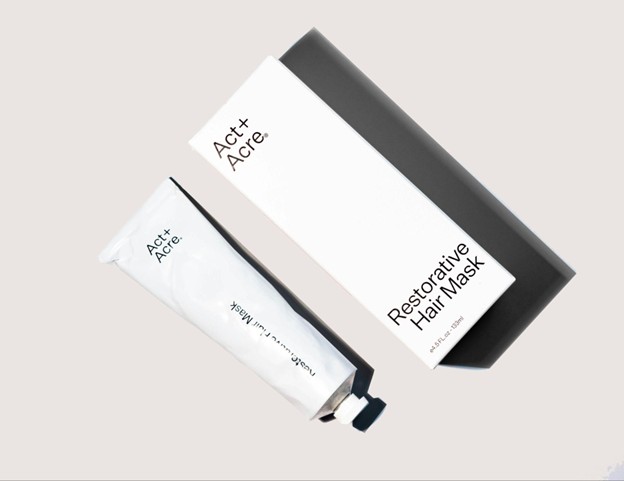
Wellness and beauty buyers increasingly search by “problem” rather than by brand. They type queries that describe what they want: calmer skin, less redness, stronger barrier support, post-workout recovery, or non-irritating body care. Niche products can win these searches when listings and directory profiles are aligned with that intent.
If your directory categories are vague, you may be competing in the wrong arena. If your categories and descriptions are specific, you’re more likely to appear for high-intent searches. This is one reason specialized products can look “everywhere” online even when the brand isn’t running huge ads, directories can do a lot of the distribution work when the data is clean.
Discoverability depends on trust signals, not just keywords
People don’t evaluate wellness and beauty brands the same way they evaluate a generic commodity. They look for legitimacy. That includes signs that your brand exists beyond one website: consistent profiles, accurate contact details, and signals that the business is active and real.
Directories amplify those signals by making your information easier to confirm. When your listing matches what a shopper sees elsewhere, it reduces hesitation. When it doesn’t, it creates uncertainty, and uncertainty reduces conversion.
The long-term advantage of being easy to verify
In wellness and beauty, brand trust is built through repetition. The more times people see your brand presented consistently across directories and search surfaces, the more likely they are to believe you’re established, reliable, and worth trying.
If you treat directories as a living part of your visibility strategy, you’re not just chasing traffic. You’re building a brand that is easy to verify, easy to understand, and easy to choose when the customer is ready.
