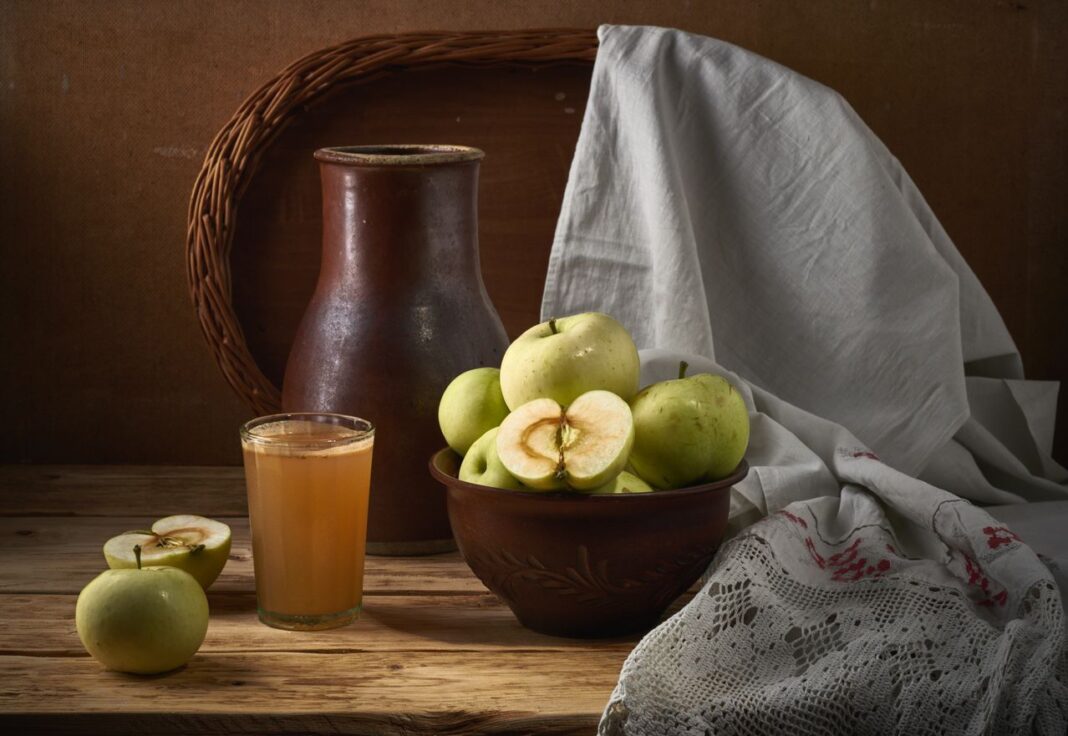
You don’t have to be a wine expert or a craft beverage snob to enjoy a cider-focused trip in eastern Tennessee. The Smoky Mountains region offers mountain views, walkable tourist towns, and friendly, laid-back tasting spots. Around Gatlinburg and in the surrounding areas, cider fits perfectly with the vacation vibe. It’s easy to sample, easy to share, and much more varied than many people expect.
Let’s start with what makes cider from the Smoky Mountains worth trying
If you think of cider as just a overly sweet bottle from the supermarket, the Smoky Mountains will quickly change your expectations. Local producers often focus on apple flavors, seasonal blends, and tasting sets. You can compare styles without having to guess by ordering a full glass.
A smart first move is to sample hard ciders in the Smoky Mountains from the Tennessee Cider Company. The company offers bottled cider that’s closely tied to the region’s tasting culture. This gives you a better idea of just how varied local cider can be—from fresh and bright to richer and spiced.
Pay attention to details like sweetness, effervescence, and finish. These three factors reveal a lot. A dry cider can be crisp and refreshing, while a sweeter one can be like a dessert in a glass.
Plan your day around tastings, not a sightseeing list
A cider-focused trip works best when you stop trying to cram twelve attractions into one afternoon. The Smoky Mountains reward a slower pace. If cider is part of the plan, leave some breathing room between tastings, meals, and sightseeing.
You can start the morning with a stroll through downtown Gatlinburg, then have lunch and head to a tasting room. Later, you can explore a scenic area or browse the local shops at your own pace. It’s a much better approach than rushing through your vacation as if you were running late for a final exam.
Also keep the group’s energy level in mind. Not everyone wants to go from one tasting to the next. Combine your cider stops with laid-back activities, like a stroll through the Great Smoky Arts & Crafts Community or taking in the view from Gatlinburg SkyPark. Balance keeps the day fun, not foggy.
Find out what flavors and styles you actually like
You’ll enjoy cider more if you go in with a rough idea of your preferences. You don’t need fancy vocabulary. But it helps to know whether you like dry drinks, very fruity blends, or something with spicy notes.
Ask for a tasting set, if available. It gives you a risk-free way to compare styles side by side. A single sip can tell you more than ten descriptions on the menu.
Pair cider with food—for real
Cider is often overlooked when it comes to food. It’s strange, because it’s one of the easiest drinks to pair. Its acidity cuts through rich dishes, its fruity notes complement savory dishes, and its light effervescence makes them feel less heavy.
When you’re out and about, think beyond the drink itself. A semi-dry cider pairs well with barbecue, smoked meats, or aged cheeses. A drier one often goes well with roasted chicken, sandwiches, or appetizer platters. Even simple pub food can taste better with the right glass.
A few practical pairings:
- Aged cheddar with fresh apple cider
- Pulled pork with a slightly sweet cider
- Soft pretzels or salty snacks with dry, sparkling cider
- Caramel desserts with spiced seasonal cider
You don’t need a chef’s mindset. Just pay attention to contrast and balance, and you’ll come across as surprisingly well-prepared—in the best possible way.
Make room for the regional experience
On a good cider trip to the Smoky Mountains, the location matters just as much as the glass. Mountain towns like Gatlinburg and the surrounding areas have a tourist rhythm that shapes how you experience the food and drink. Some places are lively and crowded, others more relaxed, depending on the season and time of day.
If you’re looking for a quieter atmosphere, visit in early spring or late fall—the region’s less crowded seasons. You’ll often find shorter lines, easier parking, and more time to ask questions during tastings. It makes a big difference if you’re truly curious about what you’re tasting.
You should also plan based on local conditions, rather than outdated assumptions.
Local conditions—check them before you go
The advice above is worth following to the letter, as the region has changed in recent years. Great Smoky Mountains National Park had over 11.5 million visits in 2025, according to the National Park Service. In 2024, there were over 12.1 million. Even after this decline, it remains one of the most visited national parks in the country. The crowds on the Parkway, Gatlinburg’s main boulevard, are therefore a reality, not just a perception. October, with its colorful forests, is usually one of the busiest months, and summer brings families on vacation. The article’s advice about quieter seasons is, therefore, backed by statistics.
Starting in March 2023, parking in the park for more than a quarter of an hour requires a paid parking pass. Many visitors only find this out when they receive their first ticket, left under their windshield wiper. The park’s official website also lists road closures, construction projects, and weather warnings. The mountains can change plans quickly, especially in winter and after summer storms. Checking the conditions on the morning of your departure saves you from wasting an afternoon stuck in traffic. The weather also differs between the city and the mountain ridges, where it can be a few degrees colder, so keeping an extra jacket in the car is always a good idea. Tasting rooms often have shorter hours in the winter, and a quick phone call ahead of time ensures you won’t find the door closed.
Accommodations should be chosen using the same logic, and on fall weekends, they’re often booked months in advance. Where you stay determines how far you’ll have to drive between tastings—and between two glasses, that matters. The criteria for choosing the right cabin in the Smoky Mountains are described in detail, as are the steps for organizing a hassle-free group trip to Gatlinburg. Accommodation listings can also be found in an editorial section featuring verified lodging options, where each entry has been reviewed by a human before publication.
A wine-tasting trip also requires a plan for getting around. Mountain roads have sharp curves and fog, and the legal blood alcohol limit for drivers is the same as in the rest of the country. A designated driver, a city tour bus, or lodging within walking distance solves the problem. In a group, the role of designated driver can rotate from day to day, so that everyone gets to enjoy a worry-free day of tasting. The tasting set recommended in this article is helpful here as well, since it keeps the portions small. Tasting rooms require ID for anyone who appears to be of drinking age, and the minimum legal drinking age is 21. Some may limit the number of samples per person. It’s also worth asking how much the set costs, since prices vary widely from one place to another.
Shop smart if you want to take cider home
Buying bottles after a tasting seems simple. Then you realize you have limited space in the trunk, fluctuating temperatures, and at least one person who’s already bought too many souvenirs. A little planning will save you from awkward decisions when packing.
Before you buy, ask yourself:
- Are the bottles for gifts or for your own collection?
- Will you drink them soon, or are you saving them for a celebration?
- Do you have a safe way to transport the bottle?
- Are you buying a familiar favorite or trying something new?
If you find a style you really like, buy at least one bottle that you know you’ll enjoy later, instead of just chasing after the latest trend. Shopping on vacation can quickly get out of hand. A quirky label and a mountain-themed impulse buy later, and you’re in for it.
It helps to jot down your tasting notes on your phone. A short note like “dry, clean, not too sweet” is enough to remind you what’s worth buying again.
How to Bring Bottles Home Without Surprises
The question of transporting the bottles on your list also involves some rules. When flying, beverages with an alcohol content of less than 24% can be carried in checked luggage, and federal security regulations do not limit the quantity. Only small containers, under the liquid limit, are allowed in carry-on luggage. Wrap the bottles in clothing, place them in leak-proof bags, and pack them in the center of your suitcase. Many tasting rooms also sell protective boxes, which are especially useful for gifts.
When traveling by car, quantities for personal consumption usually pose no problems. However, alcohol regulations vary by state, and some states have their own limits or rules. A quick check of the destination state’s regulations is sufficient. The U.S. Postal Service does not accept shipments of alcoholic beverages, so bottles cannot be sent as regular mail. Summer heat is the second enemy, especially for sparkling cider, which is bottled under pressure. A hot trunk in the summer spoils the taste of cider faster than any long drive.
There’s also the option of ordering online, directly from the producer. However, the interstate shipment of alcoholic beverages depends on the laws of the destination state. Some states allow it, with special licenses for the shipper, while others do not. The producer usually knows where they can ship, and this question should be addressed before payment, not after the package has been refused.
Cider as a Symbol of Local Identity
The last section of the article touches on an idea that geographers have studied closely. The term “neolocalism” was coined by geographer James Shortridge in 1996. It describes the deliberate effort by some communities to rebuild their local identity in an increasingly homogeneous world. In 2003, Steven Schnell and Joseph Reese published a study in the *Journal of Cultural Geography* on American microbreweries as instruments of local identity. They observed that small breweries tied their names, labels, and stories to the place where they brewed. The connection to place became part of the product, just as important as the recipe.
A clarification of terminology is helpful here. In the United States, the word “cider” often refers to unfiltered, non-alcoholic apple juice sold at farms in the fall. The alcoholic version is called “hard cider,” just as in the lead paragraph of this article. This distinction matters when ordering and is good news for families: children and drivers can also enjoy a local drink.
The cider from the Smoky Mountains fits this pattern perfectly. The apples, the nearby orchards, the region’s name on the label, and the tasting room on the tourist boulevard all tell the same story. The producer mentioned in the article, for example, states that they use apples from a local orchard. Visitors buy a drink and, along with it, a piece of the place, which they take home in the trunk of their car.
The Appalachian Mountains have a long tradition of apple orchards, and the region’s cuisine reflects this. The layered cake with dried apples, typical of the area, pairs naturally with a spiced cider, just as country-style smoked ham pairs with a dry one. The pairings in the article thus take on a local twist. Anyone who wants to get a taste of the region, beyond just the drink, can ask for traditional dishes at a restaurant.
The lens has its limitations. Studies on “neolocalism” have focused primarily on microbreweries, and cider has its own history and economy. Critics note that local identity can become mere marketing window dressing. A label featuring mountains does not guarantee apples from the mountains. The term itself is not immune to controversy, as some researchers use it very broadly to refer to any product with a local name. That is precisely why the questions asked during a tasting—about the origin of the fruit and how the drink is made—matter. A producer who knows their orchard will be happy to answer, and even a vague answer speaks volumes.
Lentila also offers a practical criterion for choosing. Three questions distinguish the local producer from the souvenir shop: where do the apples come from, is the cider made on-site, and what products are unique to the region? The answers don’t require specialized knowledge. They simply show whether the story on the label is grounded in reality.
Verification also has a more mundane side. Producers with very similar names may operate on the same tourist boulevard. A hasty search might lead you to a different place than the one recommended by a friend. The exact address and official website clarify the difference. Reviews should be read carefully for details, and visitors’ photos often say more than those on the website. Local tourist services—from guided tours to transportation—can be found in an editorial section dedicated to traveler services. A regional section dedicated to the United States helps with the rest of the journey, beyond Tennessee.
Cider producers need a federal license, and the federal Alcohol and Tobacco Administration publishes lists of authorized businesses. For visitors, this means a basic guarantee of legality, not one of taste or quality. Taste can only be verified in the glass—preferably as part of a tasting set.
For the region’s cider producers, the lesson is clear. Visitors make their choices on their phones, in the car, just minutes before pulling into the parking lot. The hours, address, and days off must be identical everywhere. A producer that lists three different schedules on three platforms loses visitors who have dozens of options to choose from on the same boulevard. How to create an experience that keeps guests coming back is discussed in an analysis of how exceptional experiences redefine hospitality.
What no verification layer can do must be stated just as clearly at the end. An editorially verified listing confirms that a place exists and can be contacted. It also confirms that it operates in the listed category and that it can still be found a year from now. It does not guarantee the taste of the cider, nor does it replace checking the schedule on the day of the visit. Nor does it tell you how long the line will be on a Saturday in October. Each layer answers a different question. In the words of Schnell and Reese, all together they help the traveler find the real place behind the story on the label.
Turn the trip into more than just a one-time stop
The best cider tours leave you with more than just a few photos and a receipt. You return with a slightly better understanding of your own tastes. You also come to appreciate how the local drinking culture ties in with tourism, agriculture, and small businesses in the region.
This broader perspective matters. Cider sits at an interesting intersection between artisanal tradition and leisurely travel. It can be refined without becoming pretentious. Local producers benefit when visitors treat the experience with care, not as a fleeting curiosity.
If you want your trip to stand out, keep it simple:
- Choose one or two stops focused on cider
- Leave time for food and walks
- Come during a less crowded season, if you can
- Buy bottles you’ll actually want to open
- Learn enough about the different styles to order with confidence
You don’t have to become a cider expert. All you need is a little curiosity, a little planning, and the good sense to let the Smoky Mountains set the pace.
