
Key Takeaways
- Rural property financing involves more than credit, income, and a down payment.
- Access, water, septic capacity, zoning, insurance, utilities, and land use should be reviewed early.
- A realistic farm or land-use plan can make discussions with lenders more productive.
- Loan options should be compared by repayment terms, fees, collateral, flexibility, and permitted uses, not interest rate alone.
- Eligible farmers and ranchers may have government-supported financing paths worth reviewing.
Buying rural acreage can be rewarding, whether the goal is a country home, small farm, hunting tract, or recreational land. It can also require more preparation than a typical residential purchase. The land itself, its access, water systems, improvements, and planned use may all affect the financing process.
A strong plan starts before an offer is made. Buyers who understand their financial position, investigate the property carefully, and compare financing structures based on total cost can reduce the risk of costly surprises after closing.
Why Rural Property Financing Requires Extra Planning
Rural acreage often combines residential, recreational, and agricultural features that are not common in suburban transactions. A property may include a private well, septic system, long driveway, barn, fencing, timber, pasture, irrigation equipment, or multiple outbuildings. Each feature can add value, create maintenance obligations, or require closer review during underwriting and appraisal.
For example, a lower-priced parcel may still require significant spending for a driveway, utility connection, well repair, septic work, fencing, or building improvements. The purchase price is only one part of the ownership cost.
Step One: Define the Property’s Main Purpose
Before applying for financing, identify the property’s primary purpose. A lender may evaluate a full-time residence differently from a working agricultural operation or vacant land held for future development.
- Primary rural residence
- Hobby farm, homestead, or small livestock property
- Working farm or ranch
- Orchard, vineyard, or specialty crop operation
- Recreational acreage
- Future construction site
- Long-term land holding
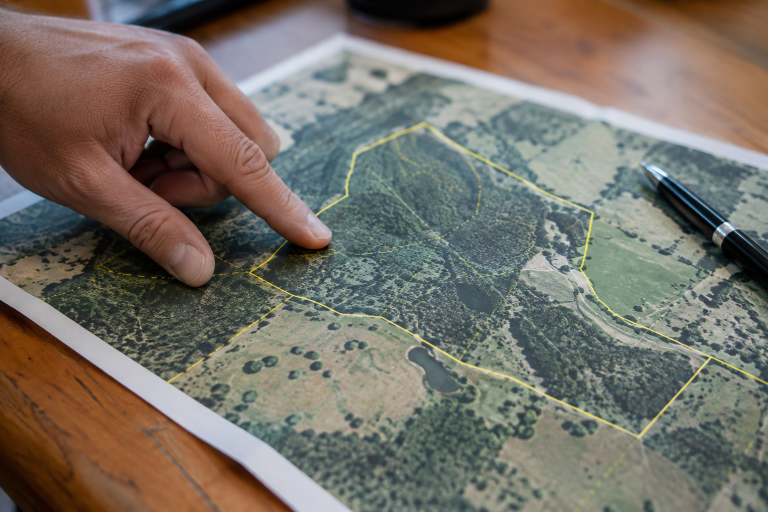
Be specific about whether income will be produced from the land, whether a residence already exists, and what improvements are planned. Those answers help determine which loan structures may be a good fit.
Step Two: Review Financial Readiness
Gather a clear picture of your finances before speaking with lenders. Review credit history, recent payment patterns, employment or self-employment income, existing debt, available cash, and monthly spending. Buyers should also estimate closing costs, prepaid insurance or taxes, and the cash needed after closing.
Do not assume every dollar in savings should go toward the purchase. Rural ownership can bring unexpected expenses, including a failed pump, a storm-damaged fence, a driveway washout, or equipment repairs. Leaving reserves after closing can protect both the property and the household budget.
Step Three: Build a Complete Ownership Budget
Create a realistic estimate that goes beyond principal and interest. Include recurring costs as well as occasional repairs and improvements.
- Property taxes and applicable agricultural tax programs
- Homeowners, farm, liability, flood, or specialty insurance
- Well testing, water treatment, and pump maintenance
- Septic inspection, pumping, and repair costs
- Private road, bridge, drainage, and snow-removal expenses
- Propane, fuel, internet, and utility costs
- Fence, pasture, barn, and equipment upkeep
- Wildfire preparation, storm cleanup, and insurance deductibles
Step Four: Investigate the Land Before Making an Offer
Attractive acreage is not automatically usable acreage. Complete property due diligence before removing important contingencies from a purchase agreement.
- Confirm legal, recorded road access.
- Review surveys, boundaries, easements, and shared-road obligations.
- Verify zoning, setbacks, building rules, and permitted uses.
- Check flood hazards and local insurance considerations.
- Request well records, water-quality information, and water-rights details where relevant.
- Arrange septic inspection or soil evaluation when appropriate.
- Inspect barns, sheds, irrigation equipment, fencing, and other improvements.
- Ask about conservation restrictions, leases, and agricultural-use requirements.
Step Five: Prepare a Financial and Farm Plan
Buyers seeking agricultural financing should be ready to explain how the purchase will work financially. A simple plan can include the purchase price, requested loan amount, down-payment source, current debts, recent tax returns, projected income, operating expenses, equipment needs, and management experience.
Use conservative assumptions for crop yields, livestock income, rental income, and repairs. A lender is more likely to trust estimates that are supported by records, local knowledge, or a clear explanation of how the operation will handle poor weather, lower production, or changing prices.
Step Six: Compare Financing Paths
Potential options may include conventional real estate loans, specialized agricultural real estate loans, vacant land loans, construction financing, seller financing, and joint financing arrangements. Each can differ in down payment expectations, term length, documentation, collateral requirements, and rules governing business or agricultural use.
Government Programs Worth Reviewing
Producers who plan to own or expand an agricultural operation may want to review farm ownership loan programs administered by the USDA Farm Service Agency. These programs can support eligible uses such as purchasing farmland, constructing farm buildings, or improving farm infrastructure.
Some borrowers may also work through commercial lenders using guaranteed farm loans. Eligibility, repayment ability, property use, loan limits, and program terms all matter, so buyers should confirm current requirements directly with a qualified lender or local USDA office.
Step Seven: Prepare for the Appraisal
Rural appraisals can be more complex because comparable properties may be spread over a wider area and may not have similar acreage, water systems, buildings, or income-producing improvements. Provide records for major repairs, well and septic work, irrigation, barns, and included equipment. Keep the purchase agreement clear about which real property and which personal property are included.
Also prepare for the possibility that the appraised value differs from the contract price. Know in advance whether you could renegotiate, add cash, change loan terms, or walk away under an appraisal contingency.
Questions to Ask Before Choosing a Loan
- What property uses are permitted under this loan?
- How will acreage, barns, wells, and other improvements be valued?
- What documents are required for farm or self-employment income?
- What down payment, reserve, and insurance requirements apply?
- Can financing include repairs, construction, or land improvements?
- What happens if the appraisal is below the agreed purchase price?
- Are leasing, future structures, or commercial activity restricted?
- Which fees apply before closing and throughout the loan term?
A Simple 30-Day Preparation Plan
- Days 1 to 5: Review credit, income, debts, savings, and monthly spending.
- Days 6 to 10: Define the property’s purpose and build a complete ownership budget.
- Days 11 to 15: Gather tax returns, bank statements, identification, and business records.
- Days 16 to 20: Research access, zoning, water, septic, insurance, and restrictions.
- Days 21 to 25: Compare written loan estimates and ask direct questions about terms.
- Days 26 to 30: Review the plan with lending, legal, tax, and land-use professionals as needed.
Conclusion
Financing rural acreage is easier when buyers treat it as both a real estate purchase and a long-term operating decision. Review the land, document the finances, test the budget, maintain reserves, and ask questions before committing to a loan. Careful preparation can help buyers choose a property and financing structure that supports their goals for years to come.
