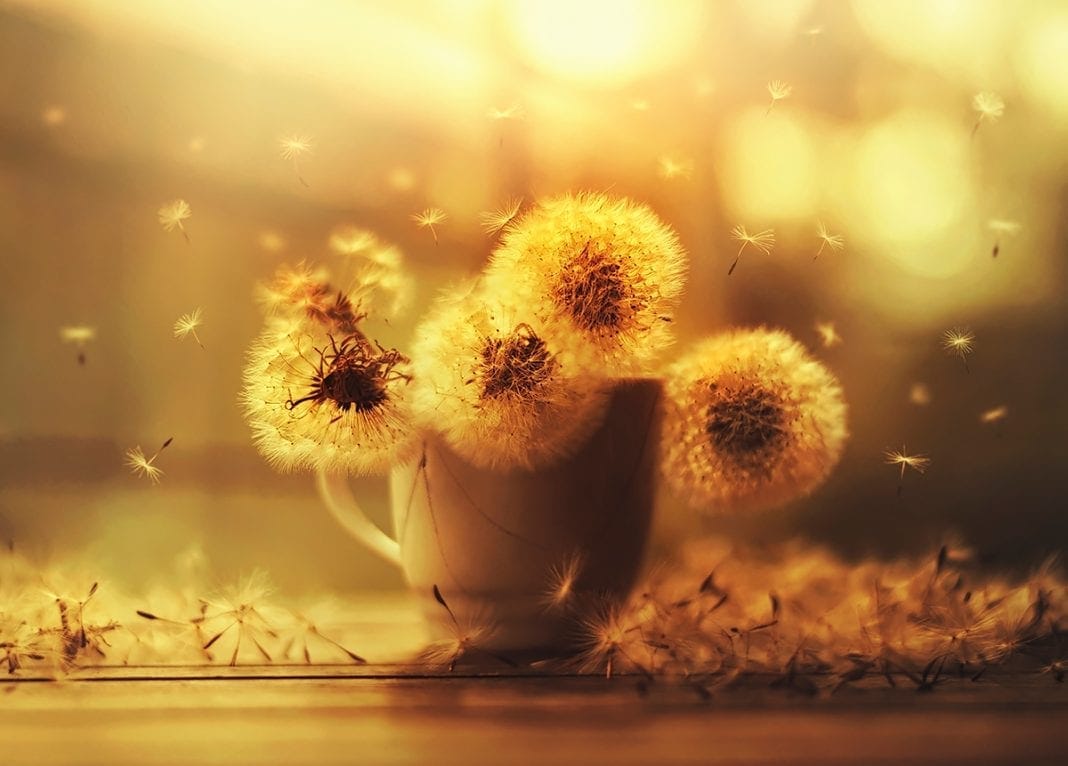
You might be dreaming of becoming a flower photographer, filling a portfolio with close, detailed shots that make petals look almost touchable. Good flower photography does more than please the eye. When people see your work on social media, some of them will want to hire you to shoot for them. Getting there starts with a handful of habits, and the nine tips below give beginners a practical place to begin.
Change your angle and get close
A common beginner mistake is photographing every flower at eye level. That single perspective flattens the subject. Squat down and shoot from below, or find a higher point and look down into the bloom. Experiment with several camera angles for the same flower and compare them, because the best composition is rarely the first one you try.
Getting close is what separates a snapshot from a study. Move in until the frame reveals petal texture and dew drops. For that you want a macro lens on your camera, along with careful attention to aperture, depth of field, and ISO. If you are not yet confident shooting up close, photograph the flower from a normal distance and crop in afterward. The result is not identical to true macro work, but it gives you the detailed look while you build the skill.
Keep the camera steady and the flower still
Outdoors, use a tripod every time. Handholding invites tiny movements, and those movements show up as blur once you are working at close range. Once the camera sits in position on the tripod, fire the shot with a wireless trigger so your finger never touches the body. Even the small vibration of pressing the shutter can soften a macro image.
Wind is the other enemy of sharpness. A wildflower that sways in a breeze will not sit where you want it, and long exposures turn it into a smear. Block the wind with whatever you have on hand: a wooden board, an umbrella, your own body. A Plamp, which is two clamps joined by an articulating arm, is made for this. Clip one end to a stake and the other to the stem, and the flower holds its pose while you compose.
Shooting cut flowers indoors
When you cannot find a flower outside, order one from an online florist and set it in a vase at home. This gives you full control over the light and the setting. Prepare a background that suits the bloom without fighting it for attention, since the flower is the subject and the backdrop is only support. When you finish shooting, the arrangement has a second life as a gift. If a friend has a birthday coming up, the bouquet and vase make a warm present for a woman or a man on their day.
A bouquet also travels well beyond birthdays; plenty of gift ideas for Father’s Day start with flowers and build outward from there.
If the idea strikes on a free afternoon, same-day floral delivery can put a fresh bloom in your vase before you lose the light.
Use the tools your camera already has
The live view screen is your composition guide. It shows you how much to zoom so the flower lands in focus at the distance you want, and zooming works well here because a flower, unlike a moving subject, holds still for you. Live view also previews built-in modes such as black and white or the miniature effect, so you can judge the look before you commit to the shot rather than discovering it later on a computer.
Sometimes a wider view beats a single stem. A cluster of flowers set into the surrounding landscape tells a fuller story than one isolated bloom. Step back a few paces and fit the group into the frame. A wide angle lens is the right choice for these landscape shots, letting you hold both the flowers and their setting in one composition.
Light and the finishing touch
As a rule of thumb, shoot when the day is bright but soft, such as in the morning. Avoid harsh midday sun, which can bounce off the front of your lens and wash out the frame. Even in daylight, a flower can fall into shadow. When that happens, bounce light back onto it with a reflector. A 5-in-1 reflector is inexpensive and does the job well. If natural light will not cooperate, bring your own lighting so the subject is properly lit when you press the shutter.
For that classic dewy look when the morning has left no dew behind, sprinkle a little water from a bottle onto the petals. It reads as fresh dew in the final image. Go gently, because too much water can harm the plant. A light misting is enough to catch the light and give you a professional shot with droplets glistening across the bloom.
From good photos to paying clients
Skill behind the camera is only half of the work. The other half is being found by the people who might hire you, and that is a different craft. Most buyers now start with a search rather than a phone book. Pew Research Center, in its 2011 report on where people get information about local businesses, found that 36% of American adults turn to search engines when they need a local service, more than any other single source. If your photography is not visible where people look, the quality of the images alone will not fill your calendar.
Reviews and third-party listings do a lot of quiet work here. People decide whether to trust a stranger’s business partly by watching what other people already think, the mechanism Robert Cialdini describes as social proof in his 2021 edition of Influence. A portfolio on social media shows your ability. A profile in a curated directory, alongside genuine reviews and a clear description of what you offer, gives a first-time client a reason to believe you will deliver. Both matter, and they reinforce each other.
So treat the nine tips as your foundation for the images, then build the visibility layer on top. Keep shooting the same flowers from new angles, refine your close-up technique, and post the results where clients can find them. The photographs earn the interest; being listed and reviewed in the right places turns that interest into a booking.
