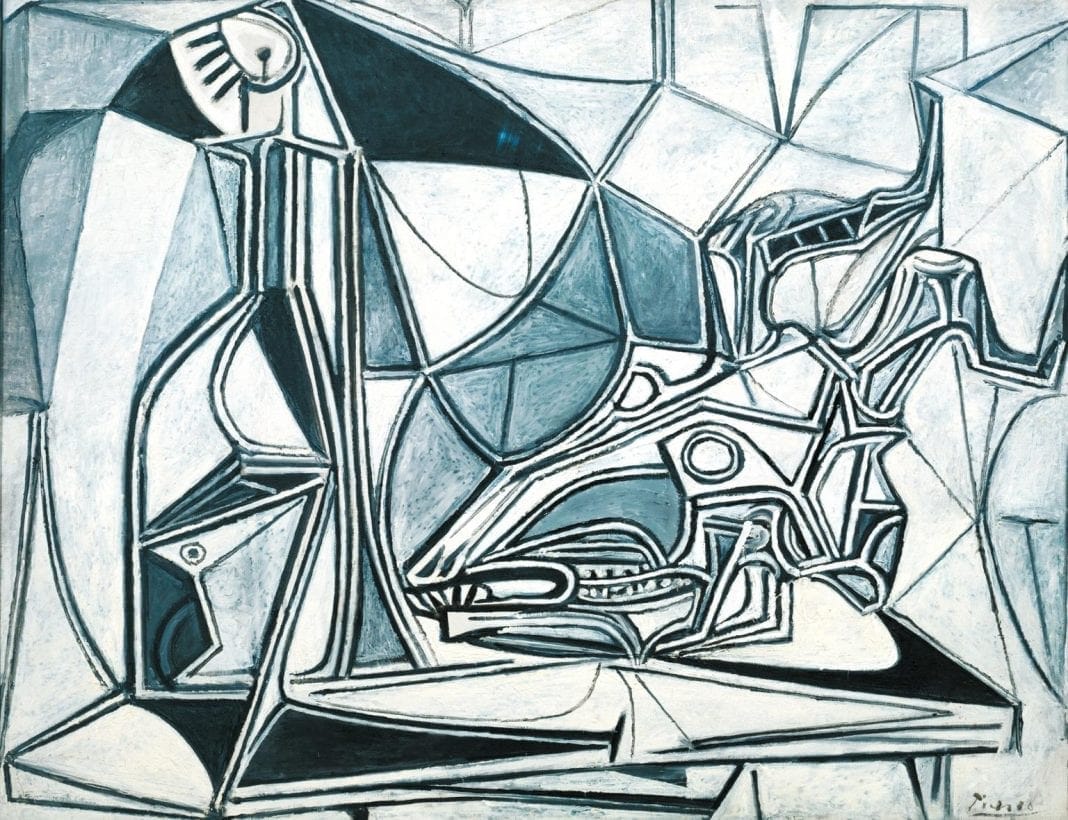

Western painting has changed a great deal over the centuries. Many artists have contributed through their own paintings and through their influence on those who came after them.
Here are some of the most influential painters in Western art, along with a few of their contributions.
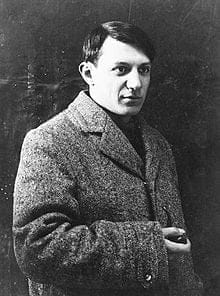
Picasso is one of the most influential artists of the 20th century.
His contributions earned him a lasting place in art history. He is known for inventing styles, forms, and techniques.
Picasso painted his first work at age 10. He moved through several distinct periods, including the Blue Period and the Rose Period, and he developed Cubism. His work has shaped many artists since, and his paintings have been shown around the world.
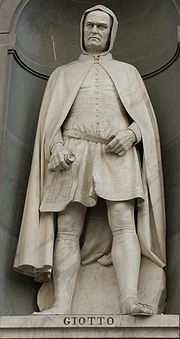
Many have called Di Bondone the first true painter. He took up the Byzantine style used by Cimabue and other artists before him.
He changed painting and is called the father of the Renaissance. He began with frescoes, and he inspired later artists such as Raphael, Michelangelo, and Masaccio. What set him apart was his attention to emotional and physical accuracy when he painted people.
Most of his paintings show religious figures. He was one of the first painters to move away from the Byzantine style toward naturalism.
3. Leonardo Da Vinci
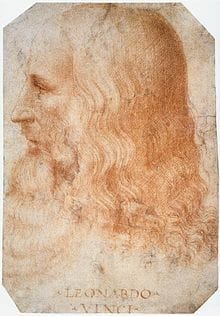
Leonardo was a leading intellectual of the Italian Renaissance. He is known for painting some of the most famous works, including “Mona Lisa” and “The Last Supper.”
He had a deep interest in the laws of nature and in science, and that interest shows in his work. His paintings have influenced many artists.
Da Vinci saw no divide between art and science, which comes through in his studies of sex organs, muscular structures, and a fetus.
4. Paul Cezanne
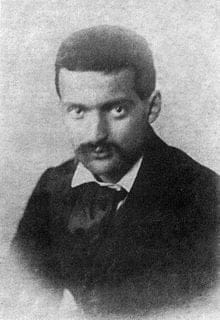
Cezanne inspired many modern artists with his Post-Impressionist style.
He took an analytical approach to nature, and that approach influenced the Fauvists, the Cubists, and other avant-garde generations. Cezanne laid the groundwork for 20th century artists.
5. Rembrandt Harmenszoon Van Rijn
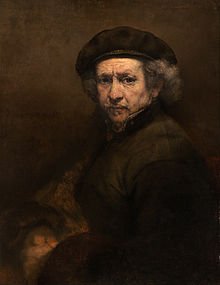
Rembrandt is one of the major figures of 17th century European painting.
He is considered the master of the self-portrait. He held nothing back in depicting himself, and he made many self portraits and portraits. His works featured lavish brushwork and deep color.
The paintings carry a strong sense of culture, and he liked to record vivid images of everyday life in Amsterdam. He mastered light and shadow, and that skill makes him one of the finest painters in Western art.
6. Diego Velazquez
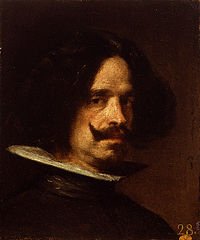
Velazquez was Spain’s greatest painter and one of the most influential artists of his time. He was a master of technique. His style was personal, and he influenced many European artists. As a court painter, most of his works dealt with religious subjects, landscapes, and mythology.
He also liked to paint scenes from everyday life, known as genre pictures. Most of these showed court notables. He was one of the best realists, and no painter has brought images to life on canvas the way he did. He combined color, space, mass, line rhythm, and light with great skill, and each element seemed to hold equal weight in his work.
Velazquez influenced Eduard Manet, Camille Corot, James McNeill Whistler, and Francisco de Goya. Some of his best known paintings are “The Maids of Honor”, “The Surrender of Breda”, and “The Spinners.”
7. Wassily Kandinsky
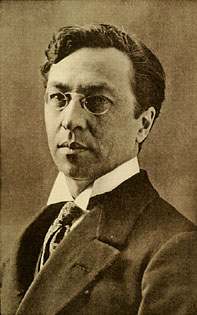
This Russian born painter was one of the creators of pure abstraction. Kandinsky held several well attended avant-garde exhibitions before he founded Der Blaue Reiter in Munich.
After forming the group, he turned to abstract painting and experimented with fluid, organic, geometric, and pictographic forms.
His work often stirred controversy among critics, contemporaries, and the public. His search for new forms led him to produce some of the most extreme geometric abstract art of the period.
8. Oscar-Claude Monet
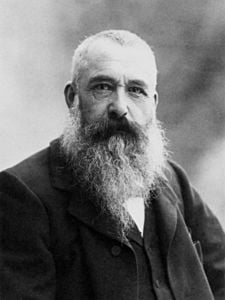
Monet was one of the most influential artists in the Impressionist movement, which changed French painting in the 19th century. He is known for his depictions of leisure activities and Paris landscapes.
He built a style meant to capture people as they saw nature. Monet drew on the Barbizon painters, who studied their subjects closely and painted them naturally. He liked to work on large canvases outdoors, then finish them later in his studio.
He wanted to paint nature as accurately as he could, and he broke with European conventions on color, perspective, and composition.
His work also shows the influence of Japanese woodblock prints. Some of his most famous paintings are “Impression Sunrise”, “Water Lilies”, “La Promenade”, “Madame Monet and Child”, and “Morning On The Sein.”
9. Raphael Sanzio da Urbino
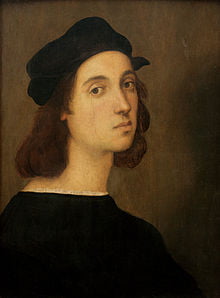
This Italian painter is regarded as the originator of the High Renaissance. Raphael is famous for his series of “Madonnas.” He died at just 37, but by then he had achieved a great deal as a painter and architect. He is known for the clarity of his forms and the ease of his compositions.
He is considered a master of his time. Most of his works hang in the Vatican Palace. He has been compared to Michelangelo and Leonardo da Vinci, though his character was quite different from theirs.
After his death, his Mannerist style shaped various Italian painting techniques before the shift to the Baroque period. Raphael is admired for the harmony and balance of his compositions, seen in his portraits, “Madonnas”, and frescoes.
10. Joseph Mallord William Turner
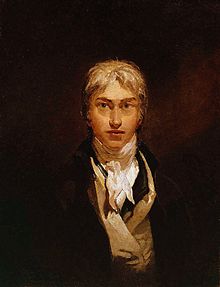
Turner was a British painter who specialized in Romantic landscapes.
He is considered one of the best Romantic artists from England. He loved brilliant colors, a common feature in his seascapes and landscapes. Turner drew on Willen van der Velde, Richard Wilson, and Claude.
Most of his works are watercolors and oils, though he later brought in contemporary technology. Some of his famous paintings are “Rain, Steam, and Speed,” and “The Fighting Temeraire.”
