
Understanding Medical Misdiagnosis
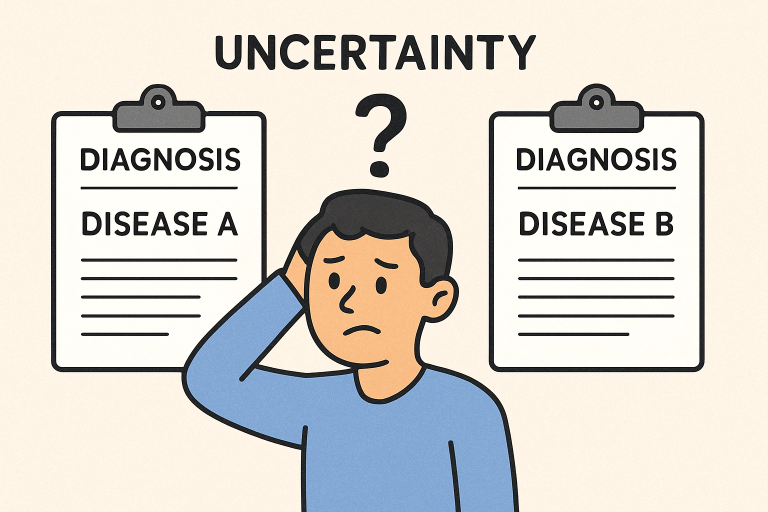
Medical misdiagnosis impacts thousands of patients each year and can alter lives in an instant. When a doctor fails to identify your condition correctly, the consequences are often more than just medical; they may lead to unnecessary treatments, mounting expenses, and emotional trauma. Whether the error results from overlooked symptoms or a rushed assessment, it is critical to know your rights.
If you or a loved one suspects that a diagnostic error has led to additional harm, understanding your next steps can help you protect your future. For individuals navigating these concerns, consulting Columbus medical malpractice lawyers is an essential first step to getting answers and exploring your options.
The scope of medical misdiagnosis is considerable. Recent studies estimate that nearly 12 million Americans may experience diagnostic errors each year. Roughly half of these mistakes can result in real harm, such as additional illness, invasive procedures, or setbacks in recovery.
These outcomes highlight why it is vital for patients to be informed and proactive about their healthcare and their legal protections in cases of misdiagnosis. For a deeper examination of patient outcomes related to diagnostic errors, refer to the analysis published by PubMed Central.
Common Causes of Misdiagnosis
Various underlying issues can lead to a misdiagnosis:
- Failure to Order Appropriate Tests: Some providers may not recommend imaging, bloodwork, or other necessary tests, especially if symptoms are dismissed as minor.
- Improper Reading of Test Results: Even when proper tests are performed, errors in interpretation can occur, leading to essential signs being overlooked.
- Communication Breakdowns: Miscommunication between team members or with patients can result in critical details being lost or misunderstood.
- Ignoring Symptoms: If a patient’s symptoms are attributed to non-serious causes or written off because of assumptions, opportunities for timely diagnosis are missed.
- Inadequate Follow-Up: Delays in additional testing or referrals after an abnormal finding can lead to worsening illness.
- Bias or Assumptions: Assumptions based on age, gender, or background (e.g., “too healthy for this diagnosis”) can lead a provider to overlook serious illnesses.
Misdiagnosis illustrates the complexities of modern healthcare. From systemic communication issues to gaps in provider experience or vigilance, these common factors show that the entire medical team and facility share the responsibility for accurate care.
Legal Implications of Misdiagnosis
If a diagnostic error harms you, you may have grounds for a medical malpractice claim. To move forward with a case, several legal criteria must be clearly established. First, a healthcare provider must have had a duty to offer competent care.
Second, there must be clear evidence that this duty was breached, meaning the provider acted outside what most professionals would consider reasonable under similar circumstances.
Next, the mistake must have directly caused your injury or worsened your medical condition. Finally, you must demonstrate real damages such as pain, emotional suffering, loss of income, or additional medical bills.
Not every error rises to the level of malpractice. The critical factor is whether the provider made decisions or failed to act in a way that falls short of accepted medical standards.
In many cases, determining these standards and whether they were breached requires the insights of independent medical experts. More detailed legal requirements are discussed in Nolo’s coverage, a respected legal resource.
Steps to Take After a Misdiagnosis
If you learn or suspect that you have been misdiagnosed, swift action can not only safeguard your well-being but also strengthen any future legal claim you may make:
- Seek a Second Opinion: Consult a different physician to ensure you understand your health and to verify your diagnosis.
- Obtain Medical Records: Collect all documentation about your diagnosis, test results, prescriptions, and specialist referrals.
- Document Your Experience: Keep a thorough journal of symptoms, treatments administered, communications with providers, and the impact the situation has on your daily life.
- Talk to a Malpractice Attorney: Early legal advice can help you evaluate next steps, such as investigating further or formally filing a claim.
Every action you take to gather information or seek outside input becomes supporting evidence should you need to build a case.
Statute of Limitations
Medical malpractice claims are governed by strict deadlines known as statutes of limitations. These deadlines vary by state, but you generally only have a short window, often just one or two years from the misdiagnosis or the date you reasonably discovered it, to begin legal action.
Missing this deadline typically means you forfeit your right to compensation, making it crucial to act quickly upon learning of possible negligence. For state-specific guidance and general timeframes, review this Healthline summary.
Challenges in Misdiagnosis Claims
Medical misdiagnosis lawsuits can be challenging to pursue successfully. One of the most significant hurdles is proving that the incorrect diagnosis, rather than an underlying condition, caused your harm.
Courts usually require expert medical testimony to clarify what a reasonable provider would have done and where your care fell short. Additionally, providers may argue that their actions were justifiable or based on the information available at the time. This complexity makes experienced legal representation essential for anyone considering a claim.
Conclusion
A misdiagnosis can alter every aspect of your life, affecting health, finances, and future attitudes toward medical care. Knowing your legal rights is an essential shield for those harmed by diagnostic errors.
Reach out to qualified medical malpractice attorneys to explore your options, understand your eligibility for compensation, and protect your rights in the aftermath of a harmful misdiagnosis.
