Introduction to trailer jack blocks
For many trailer owners, keeping their rigs stable and safe matters a great deal. Trailer jack blocks help with this. They are stout supports that fit under the trailer’s jack foot and give it a firm base, which counts for a lot on uneven ground.
These blocks do more than prop up a trailer. They take a lot of the worry out of towing, since rough parking spots are less likely to compromise the vehicle once the jack foot has something solid to rest on.
A proper foundation for any trailer, whether a small teardrop or a large fifth wheel, keeps it steady when parked and makes hitching safer. That is where aA trailer jackA comes in, steadying the rig against weather and use. Built to carry the load and spread the weight, it guards against the sinking and shifting that happen in poor parking conditions.
Materials and design built for durability
Trailer jack blocks come in a range of materials, from rugged polymers that stand up to the elements and the constant pressure of a fully loaded trailer to strong metals made for heavy loads. Both types are meant to survive harsh conditions and repeated use.
The usual choice is a high-density polymer, which is strong and resists corrosion, moisture, and UV light. That matters for any accessory left out in the weather.
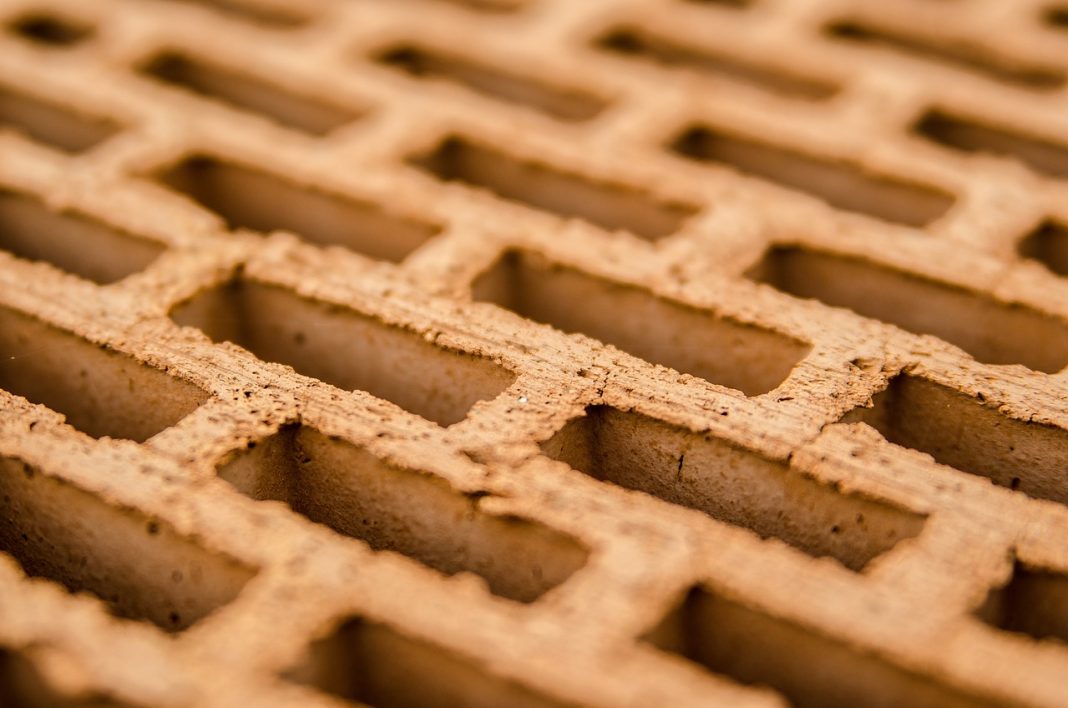
The design of these blocks often adds structural features to improve durability and weight tolerance. Internal reinforcement grids, for example, help the blocks keep their shape and function even under heavy stress.
That attention to design carries over into how reliable the product is, which gives users confidence when they depend on it for their trailer’s security.
Staying safe during hitching and unhitching
Hitching and unhitching a trailer can be nerve-wracking, mostly because the trailer can move if it isn’t supported well. This is where a stable trailer jack block system proves its worth.
By limiting movement and giving the trailer a solid base, these blocks make hitching and unhitching safer and smoother. Keep the trailer still and you avoid the notableA reduction in the risk of accidentsA that comes from an unstable trailer. Precautions like this should be routine for anyone who tows.
The risk of an unsecured trailer getting loose is highest when you couple or decouple it from the tow vehicle.
Using a reliable trailer jack block at these moments can be the difference between a routine job and an accident. Keeping the trailer immobile during these steps isn’t optional. It’s a basic part of towing responsibly.

Proper placement for maximum effectiveness
The best spot isn’t just where the block feels firmest. It depends on the load and the ground under it. A block works much better when you place it with some thought.
On solid ground, a smaller block might do. On questionable terrain, like a rain-softened meadow or an uneven dirt track, you need a larger block with more surface area to keep the jack foot from sinking.
Position relative to the jack also matters. Set it too far to one side and the block can tilt; set it too close to the edge and it won’t bear the load evenly.
Lining the block up squarely under the jack spreads the trailer’s weight evenly across its surface, the same way a building’s foundation is sized to carry the weight above it.
There are several types of trailer jack blocks on the market, each made for different trailers and conditions. They also come in various materials and designs to fit specific needs. Knowing the types, the materials, and how to pick the right one helps any trailer owner.
Types of trailer jack blocks
- Standard Blocks: The most common type, made for general use with a wide range of trailers. They are usually square or rectangular and can be stacked for extra height.
- Interlocking Blocks: These blocks feature interlocking edges that hold securely when stacked. They work well on uneven terrain, since the interlocking edges keep them from slipping.
- Wheel Chocks: Not traditional jack blocks, but used alongside them to stop the trailer from rolling. They go against the wheels and are essential for trailers parked on slopes.
- Custom-fit Blocks: Made for specific trailer models or types, such as fifth wheels or teardrops. These blocks fit right under the trailer’s jack foot for solid support.
Material compositions
- Plastic: Lightweight and resistant to corrosion, plastic blocks are popular because they last and are easy to handle. High-density polyethylene (HDPE) is a common choice for its strength and impact resistance.
- Rubber: Rubber blocks grip well and are especially handy on slippery or wet surfaces. They absorb shocks and hold up over time, though they can weigh more than plastic.
- Aluminum: Aluminum blocks are lightweight yet sturdy, with a good strength-to-weight ratio. They resist rust and are often favored for lasting a long time.
- Wood: Traditional but less common, wood blocks can support the load well but are prone to moisture damage and decay over time.

Choosing the right trailer jack block
Picking the right trailer jack block means weighing the type of trailer, the terrain, and where you’ll be parking. A few tips:
- Consider the Weight: Make sure the blocks you choose can support your trailer’s weight. Manufacturers usually list the maximum weight capacity on their products.
- Analyze the Terrain: For uneven or soft ground, interlocking or custom-fit blocks give better stability. On slippery surfaces, rubber blocks add grip.
- Factor in Portability: If you travel often, lightweight plastic or aluminum blocks are more convenient. Think about the storage space in your trailer too.
- Look for Durability: Pick materials that resist weather, corrosion, and wear. Aluminum and HDPE plastic hold up well for the long haul.
- Compatibility with Your Trailer: Check that the blocks fit the dimensions of your trailer’s jack foot. Custom-fit options suit unusual or specific designs.
Once you know the types available, the materials they’re made from, and how to match one to your needs, you can get a lot more out of your trailer. Whether you’re on rough ground or parked in your driveway, the right trailer jack block makes a real difference.
