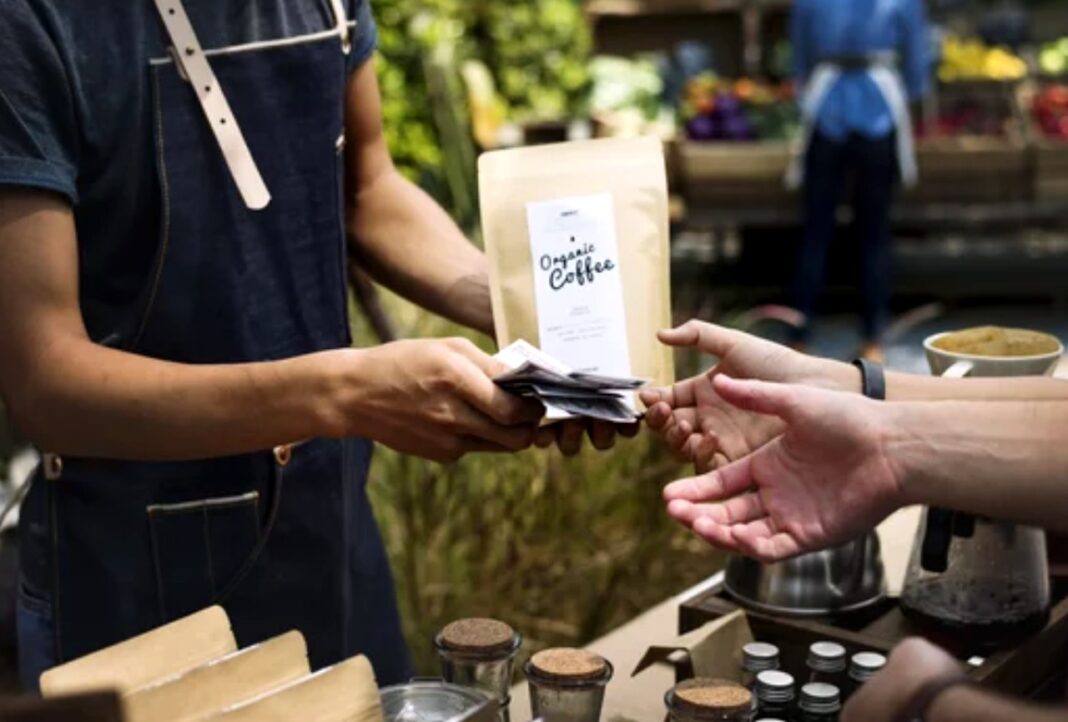
Sponsorship isn’t dead. It’s having a renaissance. While programmatic ads saturate every digital corner and influencer marketing costs spiral out of control, brands are rediscovering something refreshingly old-school: direct sponsorship of niche communities. You’ll learn why this model is making a comeback, how to identify communities worth sponsoring, and what metrics actually matter when you’re writing checks to support specialized audiences. Consider why supporting a 3,000-member community of vintage motorcycle enthusiasts might deliver better ROI than a million-dollar influencer campaign.
Economic foundations of sponsorship models
The sponsorship model runs on different economics than traditional advertising. When you sponsor a niche community, you’re not buying impressions. You’re buying credibility, access, and association. It’s the difference between renting a billboard and becoming a patron of the arts. One screams at people; the other makes you part of their cultural fabric.
My experience with sponsoring a local woodworking forum taught me this the hard way. We first approached it like advertising, demanding banner placements and tracking clicks. The community moderators politely suggested we “become part of the conversation instead.” Once we shifted to funding their annual meetup and supporting their tool library, engagement soared. Our brand became linked with supporting craftsmanship rather than interrupting it.
Direct revenue versus advertising dependencies
Advertising-dependent models are exhausting. Publishers chase traffic, sacrifice user experience for ad inventory, and watch CPMs decline year after year. Sponsorship flips this dynamic. Instead of serving 50 banner ads to generate $10, you accept $5,000 from one sponsor who values your audience quality over quantity.
Communities funded by sponsorships can focus on creating value for members. No more clickbait headlines designed to inflate pageviews. No more interrupting content every 200 words with another ad unit. The economics are simple: sponsors pay for access and association, communities deliver engaged audiences, and members get better experiences.
Did you know? According to Nielsen Sports research on return on sponsorship investment, their updated ROSI model now includes long-term sales impact, providing clearer comparisons of sponsorship ROI versus other marketing components.
The math gets interesting when you compare cost structures. Traditional advertising platforms take 30-50% of revenue. Google, Facebook, and programmatic exchanges all demand their cut. With sponsorship, you negotiate directly. The community keeps more money, sponsors pay less per engaged member, and everyone wins except the middlemen.
Consider a niche podcast with 5,000 dedicated listeners. CPM-based advertising might generate $50 per episode. A direct sponsor paying $2,000 monthly for integration and association delivers 40x the revenue while reaching the same audience. The sponsor gets better placement, the creator earns sustainable income, and listeners hear fewer interruptions.
Cost-benefit analysis for sponsors
What is a niche community worth to a sponsor? That depends on conversion probability, customer lifetime value, and competitive dynamics. A B2B software company might happily pay $50,000 annually to sponsor a community of 500 CTOs if one conversion pays back the investment.
Research from SSRN analyzing return-on-investment in sponsorship examined sponsorship prices and televised brand exposure in Formula One racing, showing how to model brand exposure value quantitatively. The same principles apply to digital communities. You’re measuring exposure quality, not just quantity.
Smart sponsors calculate three metrics:
- Cost per qualified lead (not just impressions)
- Brand lift within the target demographic
- Customer acquisition cost compared to other channels
If sponsoring a community of DevOps engineers costs $30,000 yearly and generates 15 qualified leads, that’s $2,000 per lead. Compare that to your PPC costs or trade show expenses. For many B2B companies, sponsorship delivers leads at 50-70% lower cost than paid search.
Key insight: The best sponsorships aren’t measured in impressions. They’re measured in conversations started, relationships built, and trust transferred from community to sponsor.
Community size and monetization thresholds
How small is too small? How large is too large? These questions matter because sponsorship economics change dramatically with scale. A community of 200 members can support itself through sponsorship if those members are valuable enough. A community of 200,000 might struggle if the audience is too broad or disengaged.
The monetization threshold depends on member value. Calculate it this way: average sponsor value per member, multiplied by number of members, multiplied by an engagement factor, gives you sponsorship potential. A community of 1,000 small business owners with 60% weekly engagement might attract $20,000 to $40,000 in annual sponsorships. A community of 10,000 casual hobbyists with 5% engagement might struggle to reach $5,000.
I’ve seen communities thrive with as few as 300 members when those members are high-value professionals. A private Slack for fractional CFOs, for instance, could command premium sponsorships from accounting software, legal services, and financial platforms. The community doesn’t need scale. It needs specificity.
| Community Size | Engagement Rate | Member Value | Sponsorship Potential |
|---|---|---|---|
| 200-500 | High (60%+) | Premium professionals | $15,000-50,000/year |
| 500-2,000 | Medium (30-60%) | Specialized enthusiasts | $30,000-100,000/year |
| 2,000-10,000 | Medium (20-40%) | Niche professionals | $75,000-300,000/year |
| 10,000+ | Variable | Depends on specificity | $200,000+/year |
The sweet spot for most sponsors sits between 1,000 and 5,000 highly engaged members. Large enough to matter, small enough to feel authentic. Once communities pass 20,000 members, they often shift toward traditional advertising models because keeping that intimacy gets hard.
Identifying viable niche communities
Not every community deserves sponsorship dollars. Some lack authenticity, others can’t demonstrate value, and many simply haven’t built the infrastructure to deliver sponsor ROI. Your job is separating signal from noise: finding communities where your investment actually matters to both the sponsor and the members.
The best communities share common traits: clear identity, active moderation, consistent content, and genuine member interaction. They’re not just audiences. They’re ecosystems. Members help each other, share resources, and build relationships beyond the platform. That’s what you’re sponsoring: not pageviews, but human connection around shared interests.
Audience demographics and purchasing power
Demographics tell you who; psychographics tell you why. A community of college students might seem attractive until you realize they’re broke. A community of retired teachers might seem small-budget until you understand they’re making purchasing decisions for grandchildren, volunteering for nonprofits, and planning travel.
Purchasing power matters more than income. A community of freelance designers earning $60,000 annually might spend $5,000 yearly on tools, courses, and software. A community of corporate managers earning $120,000 might spend nothing because their employers provide everything. Which audience is more valuable to sponsors?
Quick tip: Ask community organizers for anonymous surveys about member purchasing authority, not just demographics. Decision-makers matter more than earners.
Look for communities where members actively discuss purchases, recommend products, and seek advice on buying decisions. These behaviors signal purchasing intent. A forum where members constantly ask “what should I buy?” is sponsor gold. A forum where members only share memes? Less so.
Age, location, and income give you baseline data, but dig deeper. What problems do members face? What solutions do they actively seek? What brands do they already trust? A community of remote workers might seem generic until you realize they’re all managing distributed teams. Suddenly that’s a defined audience for collaboration software, project management tools, and HR platforms.
Engagement metrics that matter
Forget vanity metrics. Member count means nothing if those members never show up. Focus on participation rate, content consumption depth, and interaction frequency. A community where 70% of members engage weekly beats one where 5% of members engage daily, even if the second has 10x more members.
The metrics that predict sponsorship success:
- Weekly active users as percentage of total members
- Comments per post or thread response rate
- Average session duration (for digital communities)
- Event attendance rate (for communities with meetups)
- Member-to-member interaction frequency
- Content sharing outside the community
Nielsen Sports’ approach to measuring sponsorship ROI uses their ROSI model to give concise and comparable performance overviews, simplifying complex metrics into workable insights. Apply the same thinking to community engagement: reduce complexity to meaningful indicators.
My favorite engagement metric? Member-generated content as a percentage of total content. When members create 60% or more of community content, you’ve got authentic engagement. When the organizer creates 90% and members just consume, you’ve got an audience, not a community. Sponsors want communities.
What if you could predict sponsorship ROI by tracking just three metrics: weekly participation rate, content interaction depth, and member referral rate? You’d eliminate 90% of due diligence while focusing on signals that actually matter.
Community authenticity assessment
Fake engagement plagues influencer marketing. It’s creeping into community sponsorship too. Communities buy members, inflate metrics, and manufacture engagement to attract sponsors. Your job is spotting the difference between authentic communities and elaborate facades.
Authentic communities show organic growth patterns, natural conversation rhythms, and diverse member participation. Fake ones show suspicious spikes, repetitive engagement patterns, and concentration among a few accounts. Look at member join dates. If 80% joined in the last month, something’s fishy. Check comment patterns. If the same 10 accounts dominate all discussions, the engagement is manufactured.
Test authenticity by lurking. Spend time reading conversations without announcing your presence. Do members help each other without prompting? Do discussions evolve naturally? Do people disagree and debate respectfully? These behaviors signal a real community. If every post gets identical “Great post!” comments within minutes, you’re looking at bot activity or coordinated behavior.
Ask tough questions: How do you moderate? How do you handle conflicts? What percentage of members contribute content? How many lurkers versus participants? Authentic organizers answer these honestly, often with stories about specific problems. Inauthentic ones deflect or offer vague platitudes.
Platform-specific considerations
Where a community lives shapes its sponsorship potential. Discord communities work differently than subreddits, which work differently than Slack groups or standalone forums. Each platform brings its own opportunities and constraints.
Discord is good at real-time interaction and voice channels, which suits gaming, creative, and tech communities. Sponsorship opportunities include bot integrations, exclusive channels, and event sponsorships. But Discord’s closed nature makes measuring reach hard. Sponsors have to trust engagement metrics provided by organizers.
Reddit communities benefit from platform credibility and discoverability but face strict anti-promotion norms. Sponsorship here requires subtlety: supporting community events, funding AMAs with industry experts, or sponsoring community-created content. Direct advertising gets downvoted into oblivion.
Slack communities offer professional environments and structured conversations, which suits B2B sponsorships targeting specific industries or roles. Sponsors can provide integrations, host channels, or fund community resources. The challenge? Slack limits discoverability, making growth slower than open platforms.
Standalone forums and websites give you maximum control and customization. Organizers can build sophisticated sponsorship packages, integrate sponsor content naturally, and track detailed analytics. The tradeoff is higher operational costs and growth challenges without platform network effects.
Success story: A 2,000-member Discord community for indie game developers secured $85,000 in annual sponsorships from game engines, asset stores, and development tools. They offered sponsors dedicated channels, monthly AMAs, and integration into their weekly showcase events. The key? They positioned sponsors as community resources, not advertisers. Members saw sponsor presence as adding value, not interrupting it.
Platforms like Patreon and Substack blur the line between sponsorship and membership models. Communities funded by member subscriptions can add sponsor tiers, creating hybrid models where both members and sponsors contribute financially. This diversification reduces risk. If one sponsor leaves, the community survives.
Structuring sponsorship packages that work
You know what separates successful sponsorships from failures? Structure. Vague agreements about “brand presence” and “community involvement” lead to disappointment on both sides. Clear packages with defined deliverables, measurement criteria, and renewal terms build sustainable relationships.
The best sponsorship packages offer tiers matching different sponsor budgets and goals. A three-tier approach works well: Bronze ($5,000-15,000), Silver ($15,000-40,000), and Gold ($40,000+). Each tier provides more benefits, from logo placement to exclusive content creation to event naming rights.
Defining deliverables and expectations
Sponsors need clarity about what they’re buying. “Community presence” means nothing. “Logo on website footer, monthly newsletter mention, quarterly blog post feature, and speaking slot at annual meetup” means everything. Specificity prevents disputes and sets clear success criteria.
Common deliverables include:
- Logo placement on community properties
- Mentions in newsletters or regular communications
- Dedicated content (sponsored posts, interviews, case studies)
- Event sponsorship (naming rights, speaking opportunities)
- Product integration or testing opportunities
- Access to community insights or feedback
- Recruitment or talent pipeline access
But something matters more than deliverables: integration quality. A sponsor mentioned authentically in one newsletter beats forced logos plastered everywhere. Organizers have to protect member experience while delivering sponsor value. That balance decides long-term success.
Set expectations around response times, content approval processes, and measurement reporting. Sponsors appreciate knowing they’ll get engagement reports monthly, not “whenever we get around to it.” Organizers appreciate knowing sponsors will respond to content drafts within 48 hours, not ghost for weeks then demand changes.
Measurement and reporting frameworks
What gets measured gets managed. Set up reporting frameworks before accepting sponsor money. Decide which metrics matter, how you’ll track them, and how often you’ll report. Monthly reports work for most sponsorships, with quarterly business reviews for major sponsors.
Report on outcomes, not just activities. Don’t just tell sponsors you posted their logo. Tell them how many people saw it, clicked it, and engaged with their content. Track referral traffic, conversion rates if possible, and qualitative feedback from community members.
Key insight: The best sponsor reports include member quotes. “Your tool saved me 10 hours last week” beats “47 clicks on your logo” every time. Qualitative feedback demonstrates value in ways metrics can’t.
Consider using tools like Google Analytics with UTM parameters, custom tracking links, or survey data to quantify sponsor impact. If you’re running events, track attendance for sponsor sessions or booth visits. For digital communities, monitor thread engagement on sponsor-related topics.
Transparency builds trust. If a sponsorship underperforms, say so and propose solutions. Sponsors respect honesty more than inflated metrics. They’re making long-term bets on your community’s growth, so help them understand what’s working and what isn’t.
Creating win-win scenarios
The best sponsorships benefit three parties: sponsors, community organizers, and members. Sponsors get access and credibility. Organizers get funding. Members get better resources, events, or content. When any party loses, the model fails.
Think about member value first. Will this sponsorship improve their experience? A developer community sponsored by a code editor makes sense, because members benefit from discounts and features. The same community sponsored by a cryptocurrency exchange? Members might feel exploited, not served.
Create sponsor value beyond exposure. Offer product feedback sessions where members test beta features. Provide recruitment access for companies hiring from your community. Help set up partnerships between sponsors and prominent community members. These services justify premium pricing while delivering tangible ROI.
Resources like Business Directory help businesses find niche communities worth sponsoring, connecting brands with engaged audiences they might otherwise never find. The right discovery platform makes community sponsorship accessible to companies that lack the time or resources to spot opportunities manually.
Legal and ethical considerations
Sponsorship lives in a gray area between advertising and partnership. Understanding the legal and ethical boundaries protects everyone involved. The IRS, FTC, and platform terms of service all have opinions about how sponsorships should work.
According to IRS guidance on qualified sponsorship payments, there’s a meaningful distinction between sponsorships and advertising for tax purposes. If sponsors receive substantial return benefits, the payment may not qualify as a tax-deductible sponsorship. This matters for both sponsors and organizers, especially when communities operate as nonprofits.
Disclosure requirements and transparency
The FTC requires clear disclosure of material connections between endorsers and sponsors. If your community recommends a sponsor’s product, members deserve to know about the financial relationship. Disclosure doesn’t weaken credibility. Hiding relationships does.
Simple disclosure works: “This community is sponsored by [Company], which provides [product/service]. We maintain editorial independence and only partner with companies we believe serve our members.” Place disclosures prominently on your website, in newsletters, and in sponsored content.
Transparency goes beyond legal requirements. Tell members how sponsorship revenue gets used. Are you funding events? Paying moderators? Upgrading infrastructure? Members support sponsorships more enthusiastically when they understand the community benefits directly.
Myth debunked: “Disclosing sponsorships makes communities look ‘bought and paid for.'” Reality: Members respect transparency. Communities that hide sponsor relationships face backlash when members discover the truth. Upfront disclosure builds trust; hidden relationships destroy it.
Maintaining editorial independence
The moment sponsors control your content, you’ve lost your community. Members join for authentic perspectives, not corporate messaging. Successful sponsorships keep clear boundaries: sponsors fund the community but don’t dictate its direction.
Set editorial guidelines before accepting sponsors. Decide what you will and won’t do. Will you write positive reviews of sponsor products? Will you delete negative comments about sponsors? Will you give sponsors approval rights over content? Your answers define your credibility.
I recommend a “church and state” separation: sponsors support the community financially but don’t control editorial decisions. You can feature sponsors in content, but you keep the right to criticize their products honestly. This protects your reputation while delivering sponsor value through association, not propaganda.
Some sponsors push back on independence. They want content approval, deletion of criticism, or guaranteed positive coverage. Walk away. These sponsors will damage your community’s trust for short-term revenue. Better to grow slowly with integrity than quickly with compromised credibility.
Scaling sponsorship revenue
Once you’ve secured your first sponsor, the question becomes how to scale. Growing from one $10,000 sponsor to five $20,000 sponsors takes strategy, not just hustle. You’re building a business model, not just accepting money.
Scaling sponsorship revenue happens through three paths: increasing sponsor count, raising prices through added value, or expanding into new sponsor categories. The best communities pursue all three at once while keeping quality and member satisfaction intact.
Diversification strategies
Never depend on one sponsor for more than 40% of revenue. When that sponsor leaves, and eventually they might, your community faces an existential crisis. Diversification protects against this risk while opening new opportunities.
Identify sponsor categories that complement rather than compete. A community for freelance writers might attract sponsors from writing tools (Grammarly, Hemingway), project management (Asana, Notion), financial services (FreshBooks, QuickBooks), education (MasterClass, Skillshare), and productivity (RescueTime, Focus@Will). Five categories, multiple sponsors per category, stable revenue.
Consider non-competitive sponsors who target the same audience. A photography community might partner with camera manufacturers, editing software, printing services, travel companies, and insurance providers. Each serves photographers without directly competing, which allows multiple sponsorships at once.
Geographic diversification works too. If your community spans multiple countries, regional sponsors can target specific markets. A global developer community might have different sponsors for North America, Europe, and Asia-Pacific, each paying for regional presence.
Building long-term partnerships
Chasing new sponsors constantly exhausts everyone. Better to convert sponsors into long-term partners who renew annually with minimal friction. That takes consistent value and deeper relationships over time.
Annual contracts with quarterly check-ins create stability. Sponsors budget sponsorships into annual marketing plans; month-to-month agreements get cut when budgets tighten. Lock in annual commitments with discounts. Twelve months at 10% off beats monthly uncertainty.
Grow with sponsors. As your community expands, increase deliverables without increasing price, at first. After 12 to 18 months, renegotiate based on community growth. “We’ve grown 40% since you joined; here’s how we can increase your exposure proportionally” justifies price increases better than arbitrary inflation adjustments.
Quick tip: Create sponsor advisory boards. Invite major sponsors to quarterly meetings where they give feedback on community direction. This involvement increases their investment, both financial and emotional, in your success.
Case studies from military community sponsorship models show how access to niche audiences of active duty members, guardians, reservists, and civilians creates value for sponsors. The benefits sponsors receive scale with their investment level, which creates natural upgrade paths as relationships mature.
When to say no to money
Not all sponsorship money is good money. Some sponsors will damage your community’s reputation, misalign with member values, or demand concessions that compromise your integrity. Saying no protects long-term value even when it hurts short-term revenue.
Red flags include sponsors who want to suppress criticism, companies with poor reputations in your community’s space, products that don’t serve member needs, or organizations whose values conflict with community norms. Trust your instincts. If a sponsorship feels wrong, it probably is.
I once turned down a $25,000 sponsorship because the company had a reputation for poor customer service among community members. Taking their money would have signaled that revenue mattered more than member experience. That decision cost short-term income but preserved long-term trust. Three years later, the community’s reputation for integrity attracted better sponsors at higher rates.
Future directions
Sponsorship models are changing as communities mature and sponsors get sophisticated about measurement. We’re moving beyond simple logo placements toward integrated partnerships where sponsors and communities collaborate on member value creation.
The future belongs to communities that treat sponsorship as partnership, not advertising. Sponsors will increasingly want co-creation opportunities: developing products with community input, hosting member events, or funding community-led initiatives. This shift from transactional to collaborative relationships benefits everyone when it’s done honestly.
Expect consolidation among community platforms as they build sponsorship infrastructure. Just as Patreon simplified creator memberships and Substack simplified newsletter monetization, new platforms will emerge to simplify community sponsorship, matching sponsors with communities, handling contracts, and facilitating payments.
Blockchain and token models might enable new sponsorship structures where community members share sponsorship revenue through tokens or profit-sharing mechanisms. This aligns member incentives with community growth and makes sponsorship more transparent. Whether it materializes or stays speculative depends on regulatory clarity and practical implementation challenges.
Did you know? Research on forecasting models for plan sponsors shows that stochastic models provide more accurate long-term projections than deterministic ones. Apply similar thinking to sponsorship forecasting, account for variability and uncertainty rather than assuming linear growth.
The communities thriving in 2025 and beyond will be those that master the balance between member experience, sponsor value, and sustainable revenue. They’ll reject the race to scale at all costs and focus instead on depth of engagement and quality of relationships. They’ll treat sponsors as partners in serving members, not just funding sources to extract value from.
Authenticity wins. Communities that keep a genuine member focus while delivering measurable sponsor value will command premium pricing and long-term partnerships. Those that put revenue over member experience will face declining engagement and sponsor ROI, eventually collapsing under the weight of their own compromises.
The sponsorship model isn’t returning. It’s being reborn: smarter, more sophisticated, and more aligned with how people actually want to engage with brands. Communities that embrace this change while protecting their core values will thrive. Those clinging to advertising models or compromising authenticity for quick revenue will struggle.
Your move: identify communities where you can add value as a sponsor, or build communities worth sponsoring. The opportunity exists for both sides of this equation. The question is whether you’ll approach it with the patience, authenticity, and long-term thinking that sustainable sponsorship requires. Supporting niche communities isn’t about buying attention. It’s about earning trust, one genuine interaction at a time.
