
Africa’s digital economy is growing fast, and directory platforms are moving well beyond simple listings. African businesses now want payment-enabled directories that don’t only display services but let people actually pay for them. If you run a marketplace in Lagos, manage a service directory in Nairobi, or build a business platform in Cape Town, learning to integrate payment systems into your directory can turn a static listing into a site that earns money.
Most directory owners are sitting on goldmines without realizing it. They already have the traffic, the trust, and the user base, but they’re missing the one piece that turns browsers into buyers: smooth payment integration.
Let me share what I’ve learned from working with directory platforms across the continent. The gap between a directory that earns from payments and one that struggles isn’t about fancy features. It’s about understanding how payments differ across African markets and building solutions that work for local users.
Did you know? According to World Bank research on financial inclusion, access to efficient payment services lets small businesses expand, create jobs, and grow the economy, which makes payment-enabled directories important infrastructure for African economic development.
In this guide you’ll learn how to build payment systems that work across several African markets, add mobile money options that users actually trust, and set up security that protects both your platform and your users’ financial data.
Payment integration architecture overview
Building a payment-enabled directory takes more than adding a PayPal button to your listings page. The architecture has to handle several payment methods, currencies, and regulatory requirements while keeping the speed and simplicity users expect.
Every transaction, verification, and security check flows through your payment architecture. Get it wrong and frustrated users abandon their purchases. Get it right and your platform processes payments so smoothly that users barely notice the work happening underneath.
Mobile money gateway integration
Mobile money isn’t just popular in Africa. It’s often the main way people handle digital transactions. Working with directory platforms across Kenya, Ghana, and South Africa taught me that ignoring mobile money is like opening a restaurant that won’t accept cash.
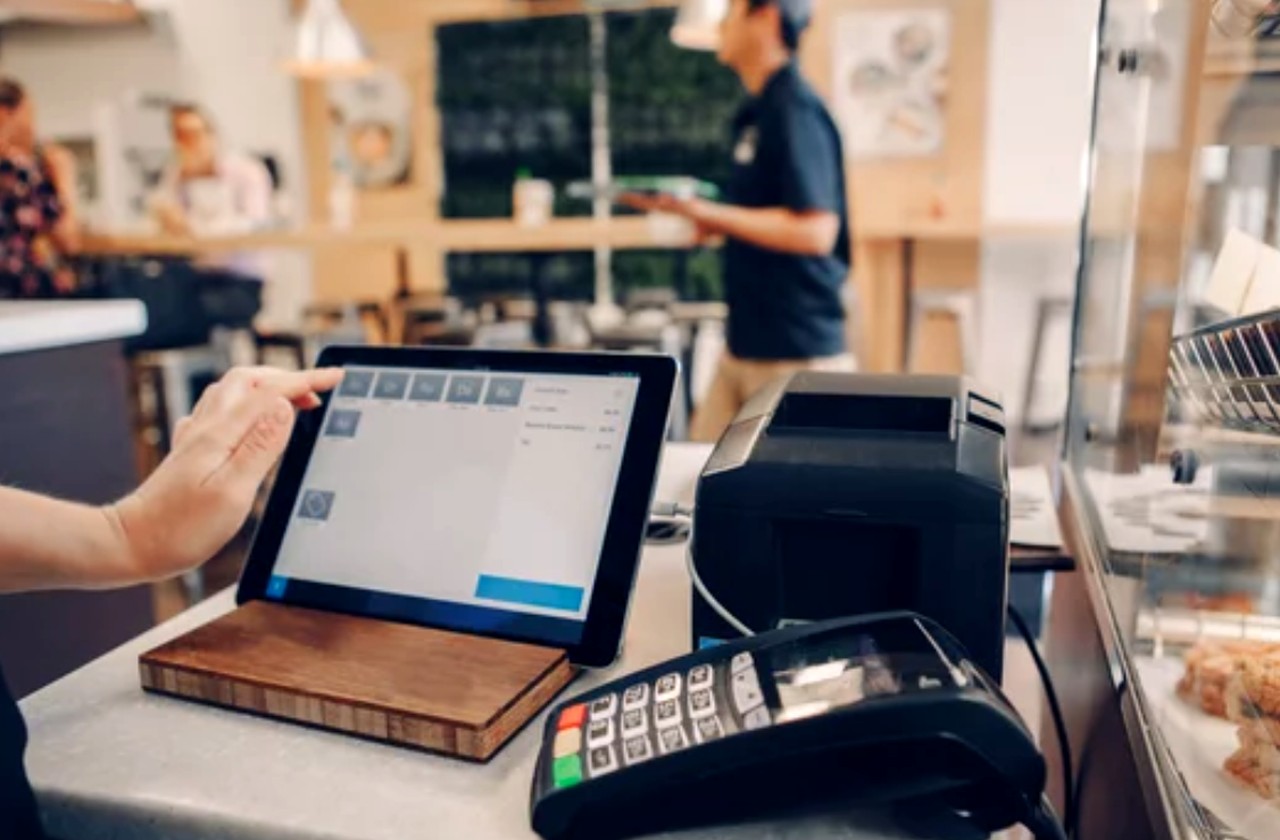
The technical challenge is integrating several mobile money providers without creating a maintenance headache. Each provider has different API endpoints, authentication methods, and callback structures. You need a single gateway that can handle M-Pesa, MTN Mobile Money, Airtel Money, and others through one interface.
Here’s the pattern that works: build an abstraction layer that translates your directory’s payment requests into provider-specific API calls. When a user in Kenya pays with M-Pesa and another in Ghana uses MTN Mobile Money, your directory code stays the same, and only the underlying gateway changes.
Quick Tip: Always set up webhook endpoints for mobile money callbacks. Card payments can give an immediate response, but mobile money transactions often need users to finish actions on their phones, so callbacks are how you update payment status.
The user experience is where this pays off. Instead of a generic payment form, your directory should detect the user’s location and mobile network, then show the relevant mobile money options first. A Safaricom user in Nairobi should see M-Pesa front and center, while an MTN user in Accra should see MTN Mobile Money first.
Multi-currency processing systems
Currency handling in African directories isn’t simple. You deal with volatile exchange rates, several regulatory environments, and users who might want to pay in USD for services priced in local currency.
The architecture has to handle live currency conversion while keeping accurate accounting records. That means integrating reliable exchange rate APIs and writing conversion logic that updates often enough to prevent arbitrage but not so often that prices confuse users.
Take this case: a Nigerian business wants to pay for a premium listing on your directory, but your platform runs in several countries. The listing might be priced in USD for consistency, yet the user wants to pay in Naira through their local bank. Your system needs to convert the price, process the payment in Naira, and record the transaction in both currencies for accounting.
| Currency Challenge | Technical Solution | User Impact |
|---|---|---|
| Exchange Rate Volatility | Rate caching with 15-minute refresh intervals | Consistent pricing during checkout process |
| Multi-Currency Accounting | Dual-currency transaction records | Transparent billing and refund processes |
| Regional Price Variations | Location-based pricing tiers | Fair pricing that reflects local purchasing power |
| Cross-Border Transactions | Compliance-aware payment routing | Smooth payments without regulatory issues |
API security protocols
Security in African payment systems calls for a different approach than what works elsewhere. You deal with varying digital literacy, different regulatory frameworks, and sometimes unstable network connections that complicate secure communication.
Start with proper API authentication. Don’t rely on simple API keys. Use OAuth 2.0 with careful scope management. Each payment provider integration should have its own credentials with the minimum permissions it needs. If your M-Pesa integration is compromised, it shouldn’t touch your bank transfer capabilities.
Encryption is non-negotiable, and the implementation matters. Use TLS 1.3 for all API communications, and also add application-level encryption for sensitive data like payment amounts and user identifiers. This two-layer approach guards against network-level attacks and against possible weaknesses in your payment providers’ systems.
Security Reality Check: Fraud attempts often target directory platforms because attackers assume they have weaker security than traditional financial institutions. Your security needs to be bank-grade, not startup-casual.
Rate limiting matters when you work with mobile money APIs that may have lower throughput than card processing systems. Set up rate limiting that accounts for each payment method’s capacity while stopping abuse.
Real-time transaction monitoring
Transaction monitoring in African markets means knowing local payment behaviors and fraud patterns. A transaction that looks suspicious in London might be completely normal in Lagos, and the reverse is true too.
Build monitoring that tracks transaction velocity, geographic patterns, and payment method switching. If a user usually pays with M-Pesa and suddenly switches to international cards, that might mean the account is compromised. If someone makes several large payments from different locations in a short window, that deserves a look.
The monitoring system should tie into your directory’s business logic. If someone pays for premium listings across many categories at once, that could be a legitimate business expanding or it could be fraud. Context decides.
Real-time alerts have to be useful. Rather than just flagging a suspicious transaction, your system should suggest an action: hold the payment for manual review, request more verification, or allow it but watch later activity more closely.
African payment method implementation
Rolling out payment methods across African markets isn’t about copying what works elsewhere. It’s about knowing the traits of each payment ecosystem and building solutions that feel native to local users.
The common mistake is treating every payment method the same. Operators give card processing the same priority as mobile money, or use one interface for bank transfers and digital wallets. That ignores the fact that different methods serve different users and situations.
Let me walk you through implementation strategies that work, based on real deployments across several African markets.
M-Pesa integration standards
M-Pesa isn’t just another payment method. It’s the backbone of digital commerce in several African countries. Implementing it well means understanding its traits and what users expect.
The technical work starts with Safaricom’s API, but the complexity is in handling the asynchronous nature of M-Pesa transactions. Card payments confirm right away, while M-Pesa involves several steps: payment initiation, user authentication on their device, and final confirmation.
Your directory needs to handle this flow well. When a user starts an M-Pesa payment, show them clear instructions about what comes next. The interface should display a countdown timer, explain that a prompt will arrive on their phone, and give options for what to do if the prompt doesn’t show up.
Success Story: A Kenyan business directory saw payment completion rates rise from 67% to 89% after adding proper M-Pesa user guidance and timeout handling. The key was showing users exactly what to expect and giving clear recovery options when something went wrong.
Error handling gets serious with M-Pesa because users often hit issues like insufficient balance, PIN mistakes, or network timeouts. Your system should tell these error types apart and respond to each. A PIN error needs different handling than a network timeout.
The callback handling has to be sturdy because M-Pesa callbacks can arrive seconds, or sometimes minutes, after the initial payment request. Set up queuing that can handle delayed callbacks without losing the transaction context.
Bank transfer connectivity
Bank transfers in African markets run from instant electronic transfers to traditional wire transfers that take days. Your directory has to handle that range while giving users clear expectations about processing times.
The technical work varies a lot by country. South African bank transfers might use the South African Reserve Bank’s payment systems, while Nigerian transfers could go through the Nigeria Inter-Bank Settlement System. Each has different API structures, authentication requirements, and processing times.
According to South African Reserve Bank research on payments and settlements, payment systems must be able to meet the changing needs of consumers, and greater trust is a key factor in adoption.
Build your bank transfer integration to be flexible. Use adapter patterns that fit different banking APIs without forcing changes to your core directory code. This lets you add new banks or countries without rebuilding the whole payment system.
User experience counts a great deal with bank transfers because users often leave your platform to finish the payment. Give clear instructions, reference numbers, and status tracking that still works when users return to your site days later.
What if a user starts a bank transfer but doesn’t finish it within your usual timeout period? Your system should queue these pending transactions for extended monitoring and send helpful reminders about completing the payment.
Digital wallet support
Digital wallets in African markets aren’t only about storing card information. They’re often the main link between users and several payment methods. A single wallet might support mobile money, bank transfers, and international cards.
The challenge is knowing which wallets are popular in each market and how they handle different payment situations. Apple Pay allows secure, contactless purchases, but its adoption varies a lot across African markets compared with local wallet options.
Add wallet detection that identifies which wallets are on a user’s device and puts them first. An Android user in South Africa might have several wallet apps installed, and your directory should show options in the order the user is likely to prefer.
The technical work means understanding each wallet’s SDK requirements and authentication flows. Some wallets use biometric authentication, others rely on PINs, and some support both. Your directory’s interface has to fit these methods without confusing users.
Wallet transactions often carry richer data than other payment methods, including user preferences, transaction history, and risk assessments. Design your integration to capture and use this data to improve the experience and prevent fraud.
Myth Busted: Many operators think supporting several wallets confuses users. In practice, users prefer seeing their favored wallet shown clearly while keeping other options available as alternatives.
Think about the offline capabilities of different wallets. Some can queue transactions when the network is poor, while others need constant internet access. Your directory should handle these cases well, especially in markets where connectivity is patchy.
For businesses that want to grow their reach through payment-enabled directories, platforms like Business Directory offer solutions that combine several African payment methods while keeping the security and reliability modern businesses need.
Quick Tip: Always test your wallet integrations across different device types and operating system versions. A wallet integration that works fine on the latest Android might fail on older devices that are still common in many African markets.
Good wallet integration comes down to knowing local preferences and building interfaces that adapt as user behavior shifts. What works in Nigeria today might not work in Kenya tomorrow, so build systems that can adjust without a full rebuild.
Where this is heading
The payment-enabled directory space in Africa is changing quickly, pushed by rising smartphone use, better internet infrastructure, and growing digital literacy. The platforms that win will be the ones that understand local payment preferences while building systems durable enough for multi-country operations.
A few trends are converging: unified payment interfaces that hide the complexity of many methods, AI-powered fraud detection that reads local transaction patterns, and blockchain-based systems that could eventually handle cross-border payments without traditional banking intermediaries.
The architecture decisions you make today will decide whether your directory can adapt to these trends or gets left behind. Build flexible, well-documented systems that can change as payments change.
Payment integration isn’t only about processing transactions. It’s about creating trust, cutting friction, and enabling commerce that wouldn’t happen otherwise. When you get it right, you’re not just running a directory. You’re helping build the infrastructure that lets African businesses grow.
The opportunity is large, and so is the responsibility. Build systems that protect user data, follow local regulations, and give businesses the reliability they depend on. African businesses are counting on platforms like yours to get this right.
