
Key takeaways
- A prenatal diagnosis can be emotionally hard, but it also gives you a chance to plan ahead.
- A strong support network and honest talks with your healthcare providers matter for both emotional and practical readiness.
- Managing stress and mental health, making practical preparations, and planning for the birth get you ready to welcome your baby.
- Sharing the diagnosis with others thoughtfully helps create a supportive environment for the family.
Understanding the emotional impact
News of a prenatal diagnosis can bring a storm of feelings. Shock, sadness, waves of anxiety, uncertainty: these reactions are normal. Studies have found that parents often move through several phases, from shock to a search for meaning and finally to a reimagining of family life. Recognizing these stages and giving yourself room to feel helps you build resilience and reach for support. If you want information specific to a Down syndrome pregnancy, resources are available to help you understand and prepare for what is ahead.
As hard as this is, you are not alone. Many parents rethink their expectations and work through grief or fear after a diagnosis. Naming these feelings, whether in conversations with loved ones or in a journal, sets you up for healthier coping.
Building a support network
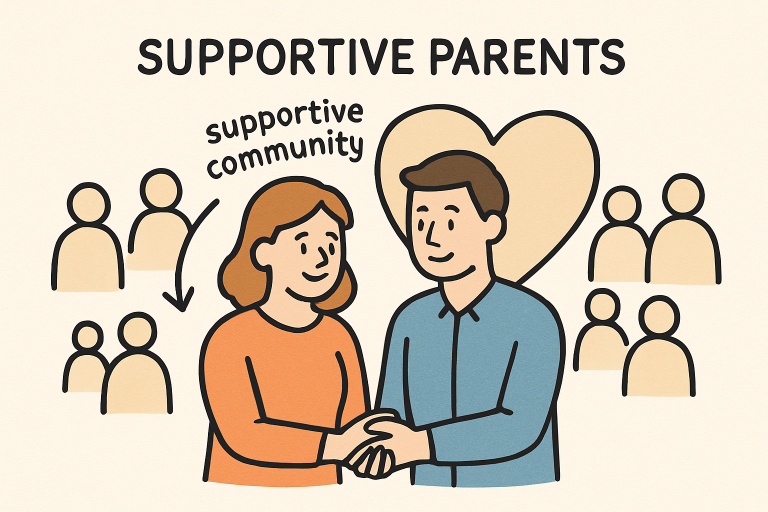
A solid network of support can make a real difference. Family members, close friends, and others who have been through something similar can offer empathy that eases the emotional load. Many parents find it worthwhile to join online or in-person support groups where they can share what they have learned and feel less alone. Recent research shows that sharing personal stories in digital communities can be a kind of therapy, helping parents heal and pick up practical strategies for what comes next (Time Magazine).
Reach out for professional guidance too. Social workers, counselors, and religious leaders can offer comfort and useful perspective as you work through this.
Communicating with your healthcare providers
Keep the lines of communication open with your healthcare team. Before prenatal visits, write down your questions, raise your concerns, and ask for resources specific to your baby’s diagnosis and future care. That way you know what to expect during pregnancy, delivery, and the early days after birth. Clear conversations also let you advocate for yourself and your child, so your voice stays central in every plan and decision.
Your providers can clarify technical details, walk you through recommended screenings, and connect you with specialists who will matter after your baby is born. Coming prepared turns uncertainty into knowledge and confidence.
Practical preparations for the baby’s arrival
Practical preparation can steady your emotions and make the coming transition easier to handle. A few useful steps:
- Attend prenatal visits together: Bringing your partner or other loved ones to these appointments builds a sense of shared responsibility.
- Set up the nursery: Designing a comfortable, functional space prepares your home and gives you a way to start bonding.
- Educate yourself: Read about your child’s specific diagnosis, typical early development, and general parenting, so you feel ready.
These activities bring order to the unknown, turn nervous energy into something productive, and help adults and siblings picture your new family life.
Managing stress and mental health
Keeping stress in check protects both your well-being and your baby’s health. Practices like deep breathing, guided imagery, and progressive muscle relaxation can help you stay calm day to day. Support groups, online or local, and sessions with a mental health professional can help you develop coping skills and work through harder emotions. The Mayo Clinic notes that prioritizing mental health during pregnancy can lower the risk of postpartum depression and improve outcomes for you and your child.
If anxiety or sadness becomes overwhelming or persistent, ask your obstetric care team for mental health resources or specific support.
Planning for birth and beyond
Work with your healthcare team on a birth plan suited to your baby’s needs. Talk through which interventions may be necessary, where the birth might take place, and immediate postnatal care plans. Ask about the newborn care team and whether any extra specialists should be present. Knowing the details of the birth and the early days can ease stress and prepare you for decisions that come up during delivery.
It also helps to find and connect with organizations or advocacy groups that support families dealing with your child’s diagnosis. Their resources and experience can be a lifeline as you plan your first days and weeks together.
Sharing the news with loved ones
How and when you tell friends, extended family, and your wider circle about your baby’s diagnosis is your choice. Start with the people you trust most, the ones who can offer both emotional and practical support. It can help to draft a clear, simple message to guide these conversations, and you never have to share beyond your comfort zone.
If you would rather keep things private, it is completely fine to set boundaries about the details or the timing. Protecting that space matters for your own well-being and for the welcome your baby receives.
Looking ahead
The road after a prenatal diagnosis holds plenty of uncertainty, but it is also a chance to prepare, adapt, and take in the story your family is starting to live. By leaning on your support network, talking openly with your healthcare providers, and making both emotional and practical preparations, you are laying a solid foundation for your baby’s arrival. This may not look like the parenthood you first imagined, yet it can bring resilience, growth, and closer family bonds as you welcome your new child.
