
Key takeaways
- Holistic physical therapy treats physical, mental, and emotional health as connected rather than separate concerns.
- Mindfulness and movement practices can support recovery and reduce the chance of future injury.
- Wearables, remote monitoring, and other tools help therapists tailor care to the individual.
Physical therapy has widened its scope. Many people still think of it as something you do after surgery or a torn ligament, but holistic physical therapy extends that idea by treating the physical, emotional, and mental sides of healing together. Patients looking for a physical therapist in Central PA often find that this broader approach gives them relief from pain and a route toward better general health.
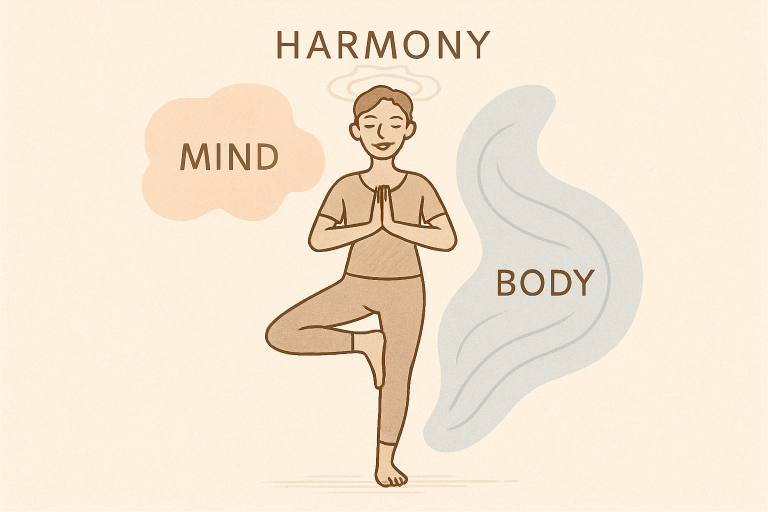
The premise is simple: recovery involves more than one joint or muscle. Mental state, daily habits, and emotional stress all shape physical health. By pairing conventional therapeutic exercise with mindful movement such as yoga and breathwork, therapists help people rebuild function and reset the balance between body and mind.
This approach also works with a patient’s own strengths, environment, and preferences. It might fold stress management and steadier routines into a treatment plan, or use technology to track how healing is going. The point is to respond to the whole person rather than the symptom alone.
Steadier routines often start with the first hour of the day, and a handful of energizing morning habits such as natural light, hydration, and balanced nutrition give that structure a foothold.
What follows explains how therapists combine mindful movement, technology, prevention, and mental health support to produce a more durable result.
Understanding holistic physical therapy
Holistic physical therapy treats the body as a connected system. Therapists look at the immediate site of pain, and also at stress, sleep quality, posture, and imbalances that feed the problem. Rather than managing symptoms in isolation, they try to find and address root causes, whether those are biomechanical, emotional, or behavioral.
In practice that means an assessment includes questions about your daily habits, your mental resilience, and how you cope, all of it aimed at personalizing care and building wellness that lasts. According to the Mayo Clinic, integrative and holistic approaches can improve both the effectiveness and the experience of conventional medicine.
It helps to remember that “holistic” is not one credential. Standards, training, and quality vary between clinics, which is one reason people research a therapist before booking. Rachel Botsman, in Who Can You Trust? (2017), argues that trust has moved into a third era she calls distributed trust, in which ratings, reviews, and platform reputation let strangers extend confidence to a business they have never used. That is exactly the mechanism behind checking a clinic’s reviews, or looking for it in a curated listing, before you walk through the door.
Integrating mindfulness and movement
Practices like yoga, tai chi, and guided breathing have become standard tools in many physical therapy clinics. They encourage slow, deliberate movement that builds body awareness and eases muscle tension, and they can improve joint mobility.
Clinical studies indicate that patients who add mindfulness report less pain, lower stress, and faster recoveries. Harvard Health Publishing points to mindfulness meditation as a way to reduce pain and support healing, especially for people managing chronic conditions.
Therapists usually teach clients to pay attention to their bodies during exercise so each movement has a purpose and the risk of reinjury drops. That kind of self-awareness speeds recovery and gives patients a sense of control over their own rehabilitation.
The role of technology in holistic care
Technology has changed how this care is delivered. Wearable sensors track posture, movement patterns, and heart rate in real time, so therapists can monitor progress remotely and adjust a program while the patient is at home. Virtual reality can turn exercises into immersive, game-like sessions that keep people engaged and make it easier to stick with the plan.
These tools support participation, accountability, and specific feedback, which together tend to produce steadier progress. Combining hands-on treatment, technology, and conversation lets patients see their results and stay motivated.
Technology has a trade-off worth naming. Wearables and apps generate a lot of data, and not all of it is useful. A good therapist filters those metrics into a few that actually guide treatment, rather than handing you a dashboard and calling it progress. The device supports the clinician’s judgment; it does not replace it.
Comprehensive pain management
Holistic physical therapy is good at locating the real source of pain instead of patching it over. Persistent lower back pain, for example, might come from poor ergonomics, a weak core, or unmanaged stress. Therapists respond with targeted stretching, posture correction, and mindful strengthening to fix the underlying imbalance and give longer-lasting relief.
This layered approach reduces reliance on medication and helps patients manage pain naturally, with fewer side effects and a lower chance of it coming back.
Enhancing mental and emotional well-being
Mind and body are tied together, and long-running pain wears on your mood. Holistic sessions include elements meant to lift mood and reduce anxiety or low feelings, whether through endorphin-releasing aerobic activity, stress-relief techniques, or a steady, supportive relationship with the therapist.
Regular physical activity produces chemical changes in the brain that can meaningfully raise mood and resilience. That, in turn, supports faster healing and makes people more willing to engage with the work.
Preventative care and long-term wellness
One clear advantage of this model is its focus on prevention. Sessions often include personal guidance on ergonomics at home and at work, how to schedule exercise, which stretches to do, and advice on nutrition and sleep.
Learning to sit and stand better, or to reduce repetitive strain, protects against future injury and improves quality of life over the long run.
Therapists give clients the tools and strategies for long-term maintenance, so the gains made in the clinic carry into daily life well after discharge.
Choosing a practitioner
Since the label alone tells you little, the decision usually comes down to evidence: credentials, an explanation of the assessment process, and what past patients say. When you compare clinics, read the review text rather than just the star average. Judith Chevalier and Dina Mayzlin, in The Effect of Word of Mouth on Sales: Online Book Reviews (2006), found that the negative pull of one-star reviews is greater than the positive pull of five-star ones, evidence that people actually read what reviewers write. For a service you commit weeks of your recovery to, that reading is worth the time.
Holistic physical therapy is a patient-centered approach that pairs technology with mindful movement, education, and emotional support. It treats the injury in front of it while giving you habits that keep you healthier long after the sessions end. If you are considering it, start with two practical steps: ask a prospective therapist how they assess root causes, and check what their patients report before you book.
