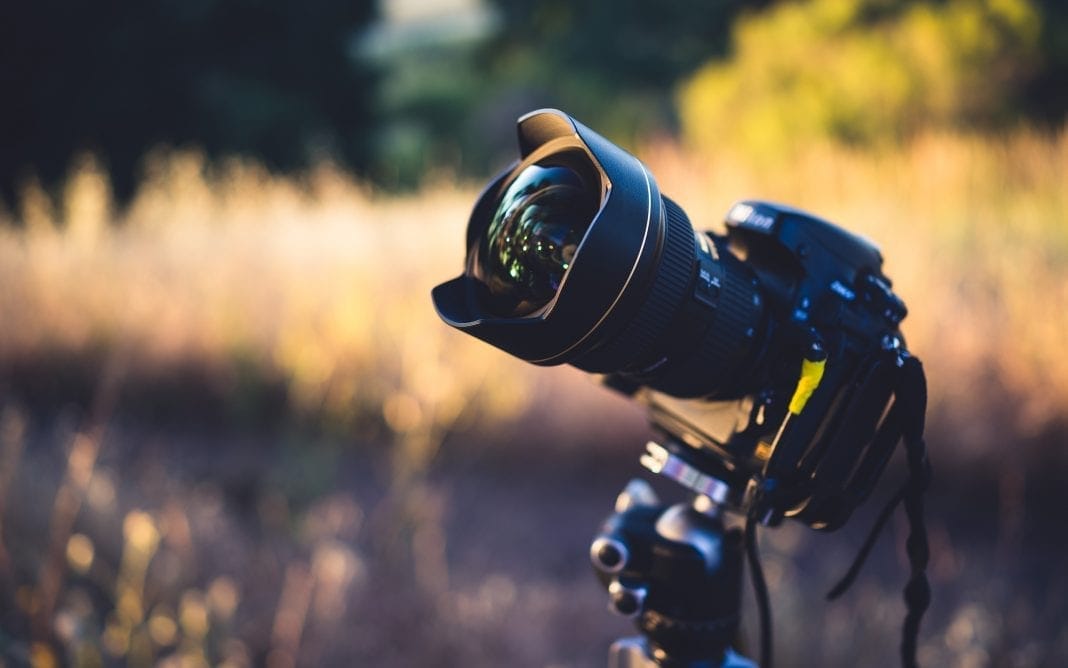
Photography no longer means black and white prints and a single fixed camera. Technology has moved fast, and several brands now build excellent equipment aimed at people learning the craft. The art itself keeps changing too, which is part of what makes it worth learning.
If you want your photos to draw a reaction every time someone looks at them, there is a lot to get right. Beginners who want to build real skill need to know what equipment actually helps and what is a distraction. This guide covers five accessories worth owning before you get far into the hobby.
Camera brands have crowded the market, but a handful stand out for reliability, with Nikon and Canon among the strongest performers. Good gear costs money, and you will spend more than you expect at first, but the money buys tools you keep using for years.
An album looks its best when the shots have been chosen and edited carefully, with no distortion left in the frame. Getting there depends partly on your eye and partly on the accessories that keep your equipment clean, protected, and steady.
Why the right gear matters early on
People buy cameras to make images, but the small supporting items are what keep those images sharp and your equipment working. A cheap microfibre cloth or a spare battery costs little next to the camera body, yet either one can save a shoot. Think of these five items as insurance for the larger investment you have already made.
There is also a wider reason to care about the quality of what you produce. Once you start sharing work, whether for fun or for paid jobs, other people judge it fast. Jakob Nielsen’s early study of web reading (1997) found that 79% of users scan a page rather than read it word by word, which is a useful reminder that a portfolio image gets a fraction of a second to make its case. Clean, stable, well exposed shots do that job. Blurry or smudged ones do not.
The five accessories
Lens cleaners
When you are new, nerves show in how you hold the camera. Fingers touch the lens, and smudges and dust build up quickly. Keeping the glass clean protects it and helps it last, which saves you the cost of an early replacement. Sharp photos start with a clean lens.
Get a lens cleaner made from microfibre cloth. It is the first accessory a beginner should own. Wipe the lens the moment you notice any dirt, because even a faint fingerprint can ruin a shot. For stubborn marks, a cleaning solution made specifically for lenses will finish the job and keep your footage looking crisp.
Camera bag
A notebook can sit in your hand all day. A camera cannot. Carrying a DSLR bare from your home, through a shoot, and back is not sensible, and learning to handle it properly matters more than looking casual. That is why a camera bag is a wise buy.
Choose a bag sized to your kit, one that holds most of your equipment if not all of it. A good bag guards against theft, scrapes, bumps, and scratches. Look for durable construction in water and dust resistant material, so bad weather never leaves you at a location with a damaged or dead camera. Put quality first here.
Spare batteries
Early on the excitement is hard to contain, and getting better means shooting a lot: frame after frame, session after session. The problem is simple. A DSLR runs on batteries, and long practice runs drain them. Losing power halfway through means missing the shots you set out to take.
Keep fully charged spares so a flat battery never ends your session. Cold weather makes this worse, since batteries hold less charge at low temperatures, so carry several if you shoot outdoors in winter. For a beginner, spare batteries are a small cost that pays for itself the first time you need one.
Lens protection filters
When you buy a lens, buy a protection filter to go with it. The filter takes the knocks so the lens does not, and you already know how expensive lenses are. It also makes cleaning faster and easier, which helps when the front element of the lens sticks out in a rounded shape. A good quality filter will not degrade your images, so do not cut corners on it.
DSLR stabilizers
Amateurs should get an affordable but sturdy stabilizer to remove shake and tremor from their shots. Mount the camera on it, and you can control motion and keep the frame steady no matter how much you pan or move. A lower centre of balance makes stabilising easier still.
First timers often tremble from nerves, and a solid stabiliser gives a firm grip that stops the camera slipping. It also cuts down on arm swing. Forget shaky, unusable footage, especially since most models on the market are light enough to carry all day.
Being found once your work improves
Better tools lead to better photos, and better photos are worth showing to more people. This is where visibility comes in. Being listed somewhere curated and searchable, alongside a clean portfolio and honest reviews, is how strangers decide whether to hire you. Rachel Botsman, in “Who Can You Trust?” (2017), describes a shift into what she calls distributed trust, where ratings and platform reputation let people extend confidence to businesses they have never met. For a new photographer chasing first clients, that reputation is often the deciding factor.
That is worth keeping in mind as you practise. The point of clean lenses, steady shots, and protected gear is not just personal satisfaction. It is producing consistent work that other people can trust, then putting that work where they can find it.
Take every shot like a professional, and no one will guess you are still learning. These five accessories bring you closer to that standard. They help you sharpen your skills, and over time you will find yourself setting the pace rather than following it. Start with the microfibre cloth and the spare battery, since those two save the most shoots, then add the bag, filter, and stabiliser as your budget allows.
