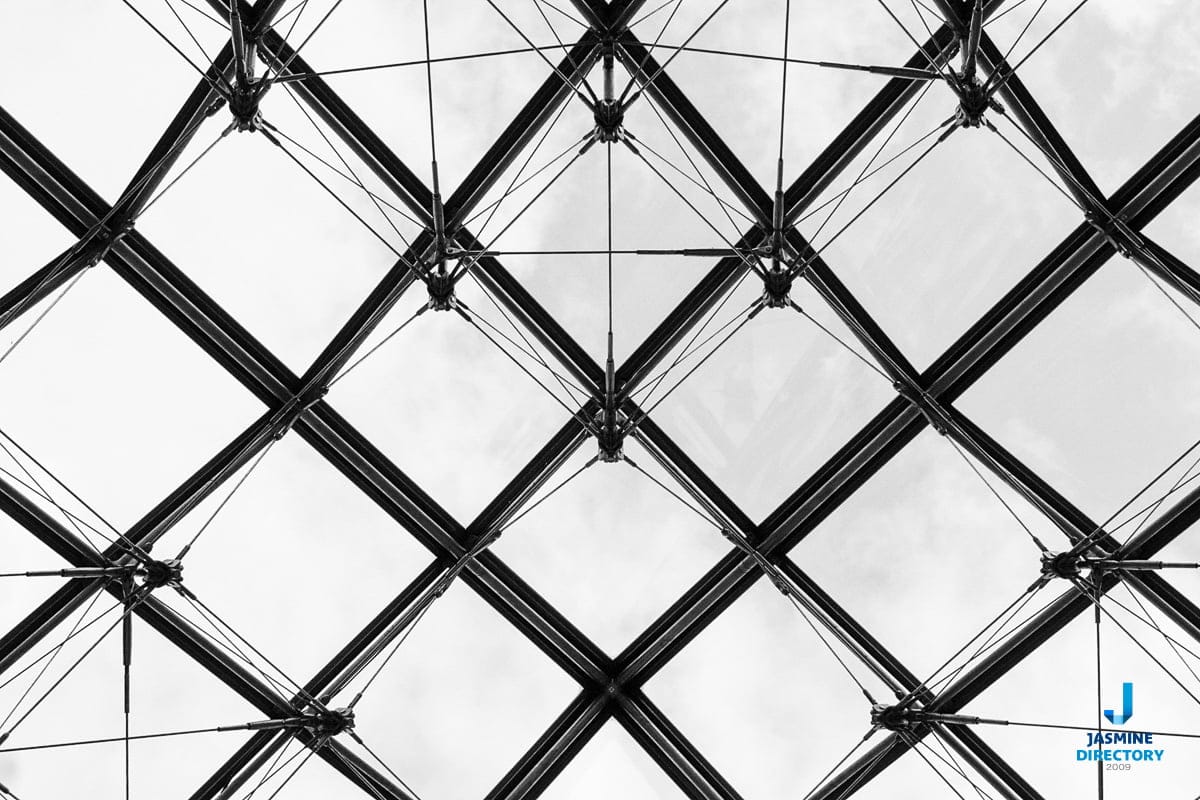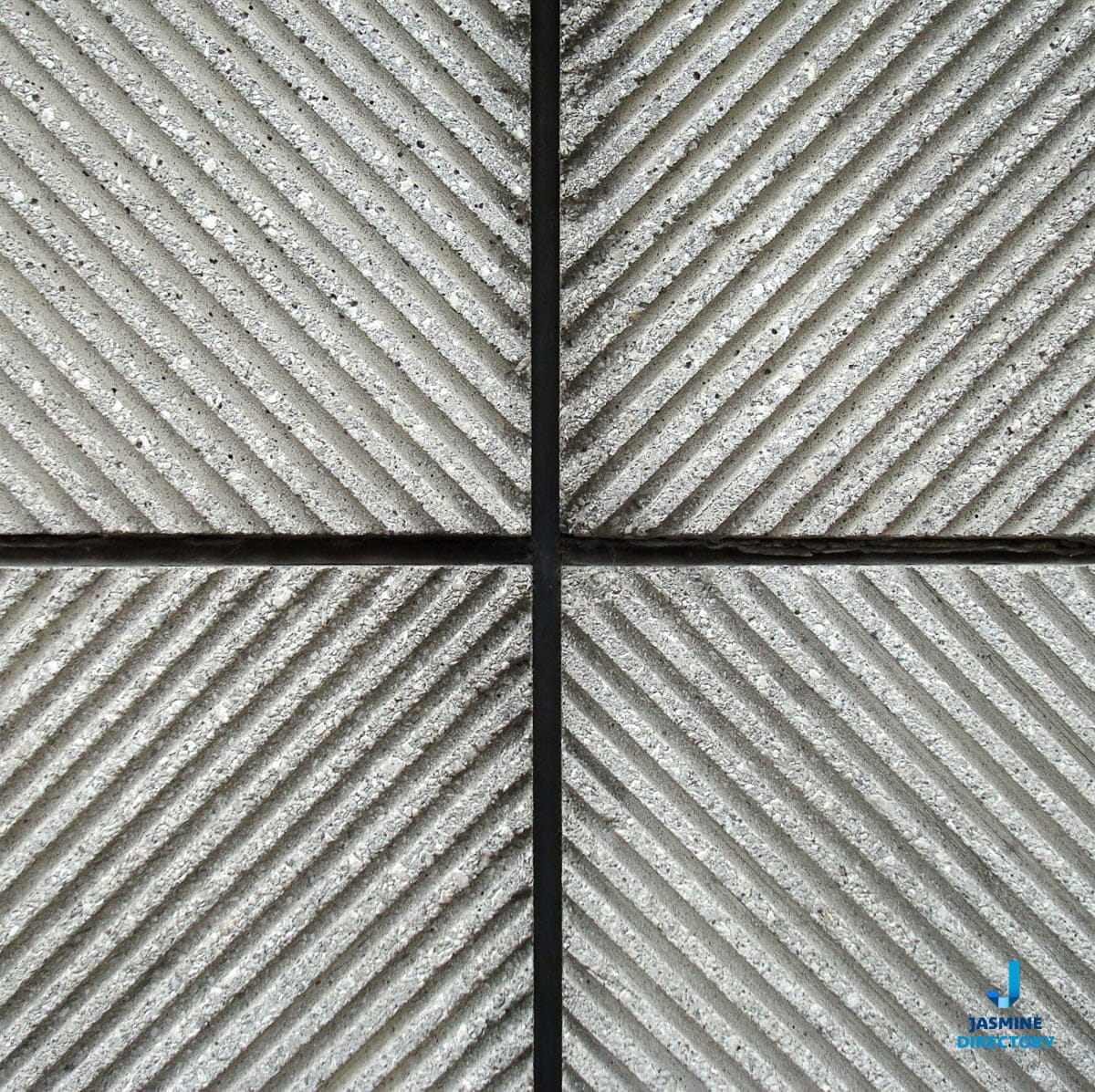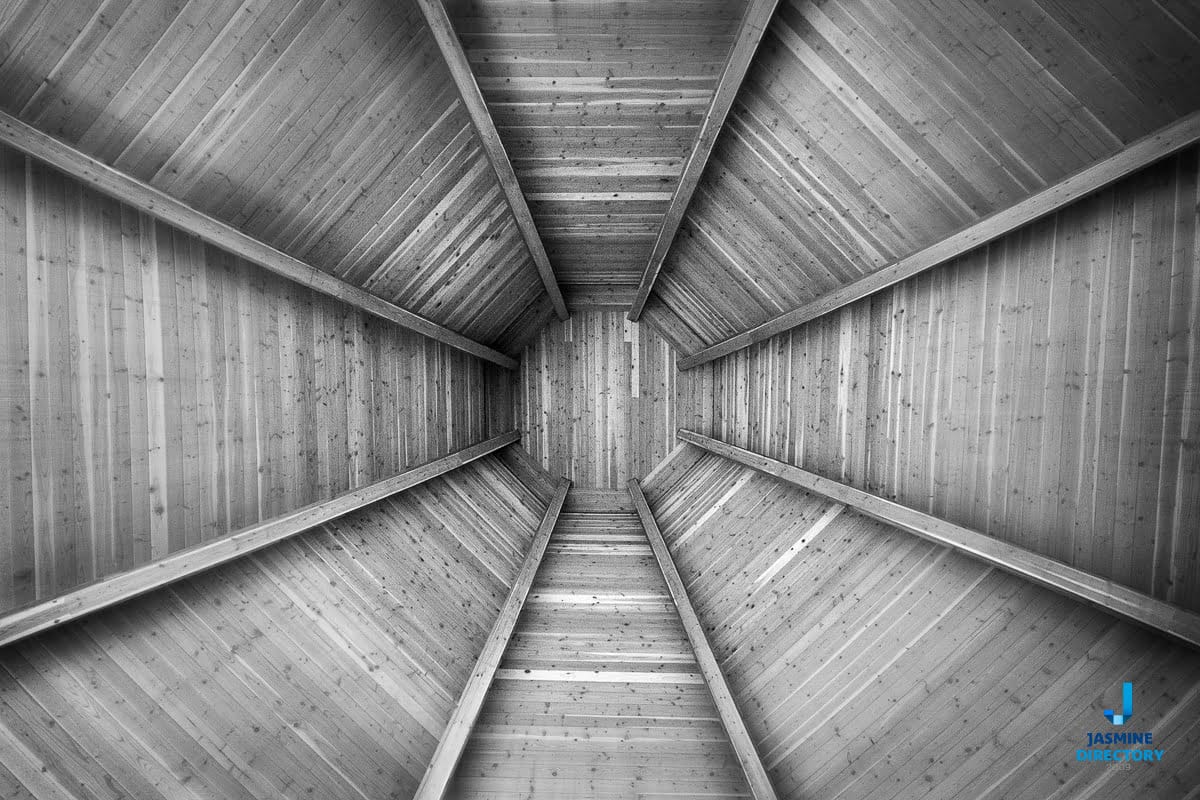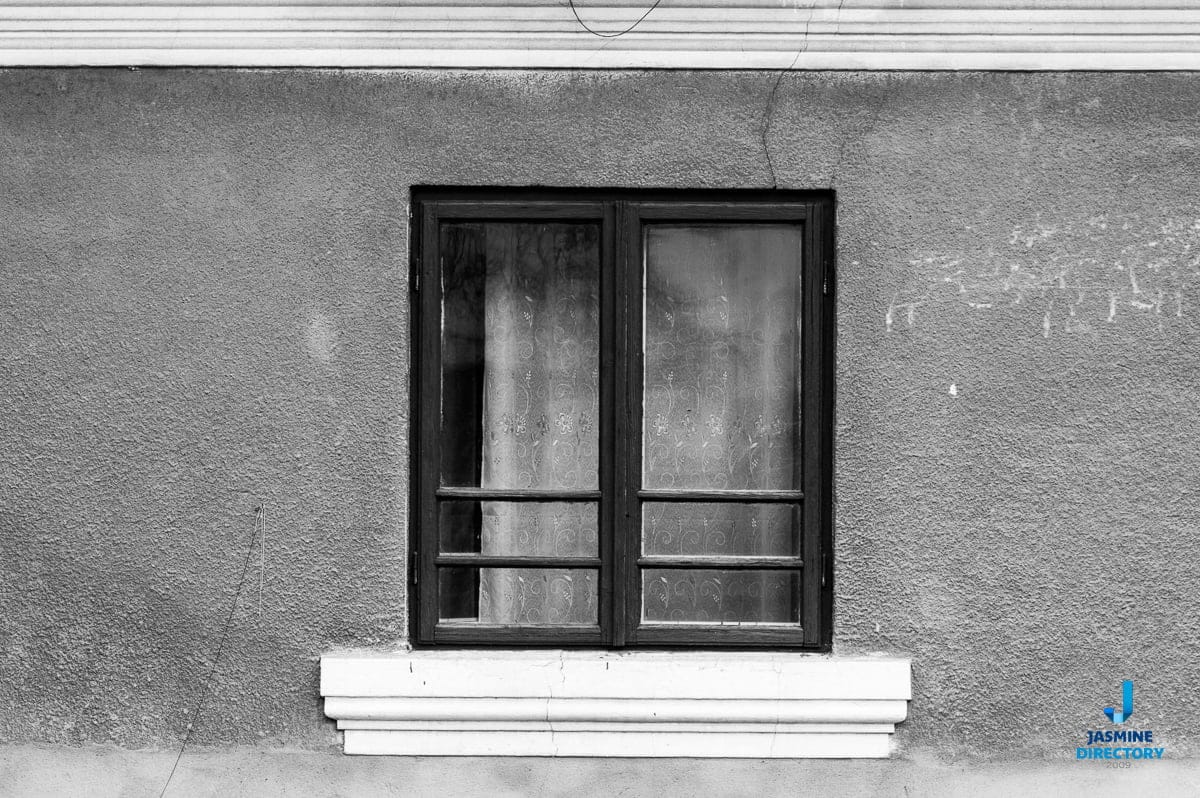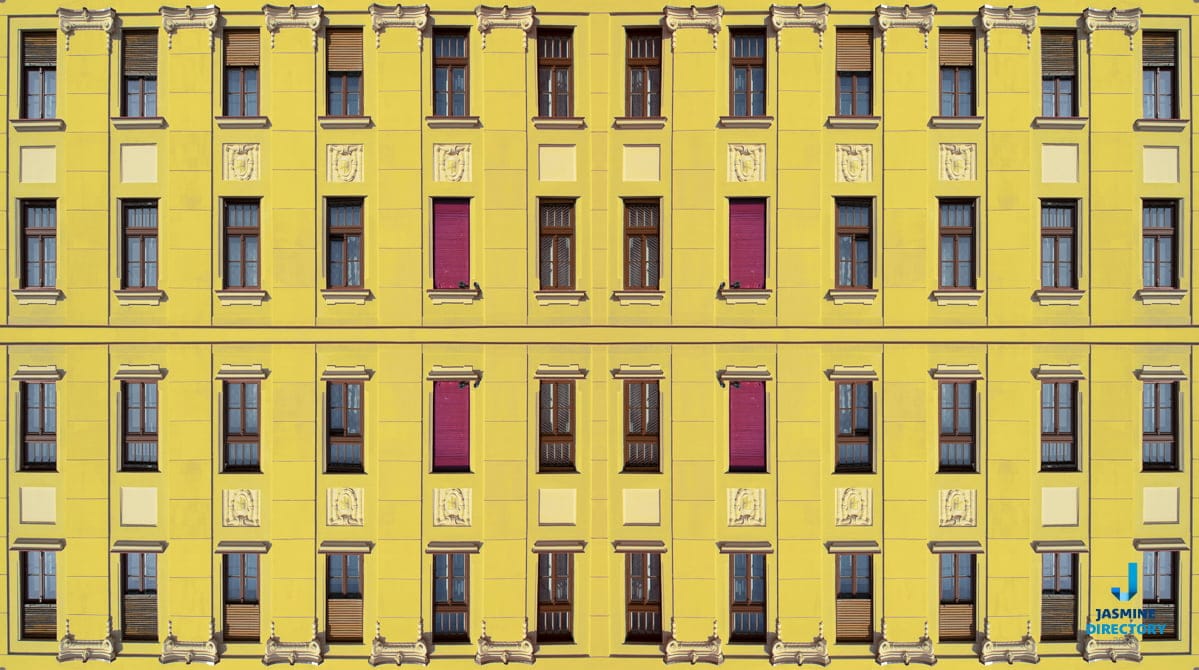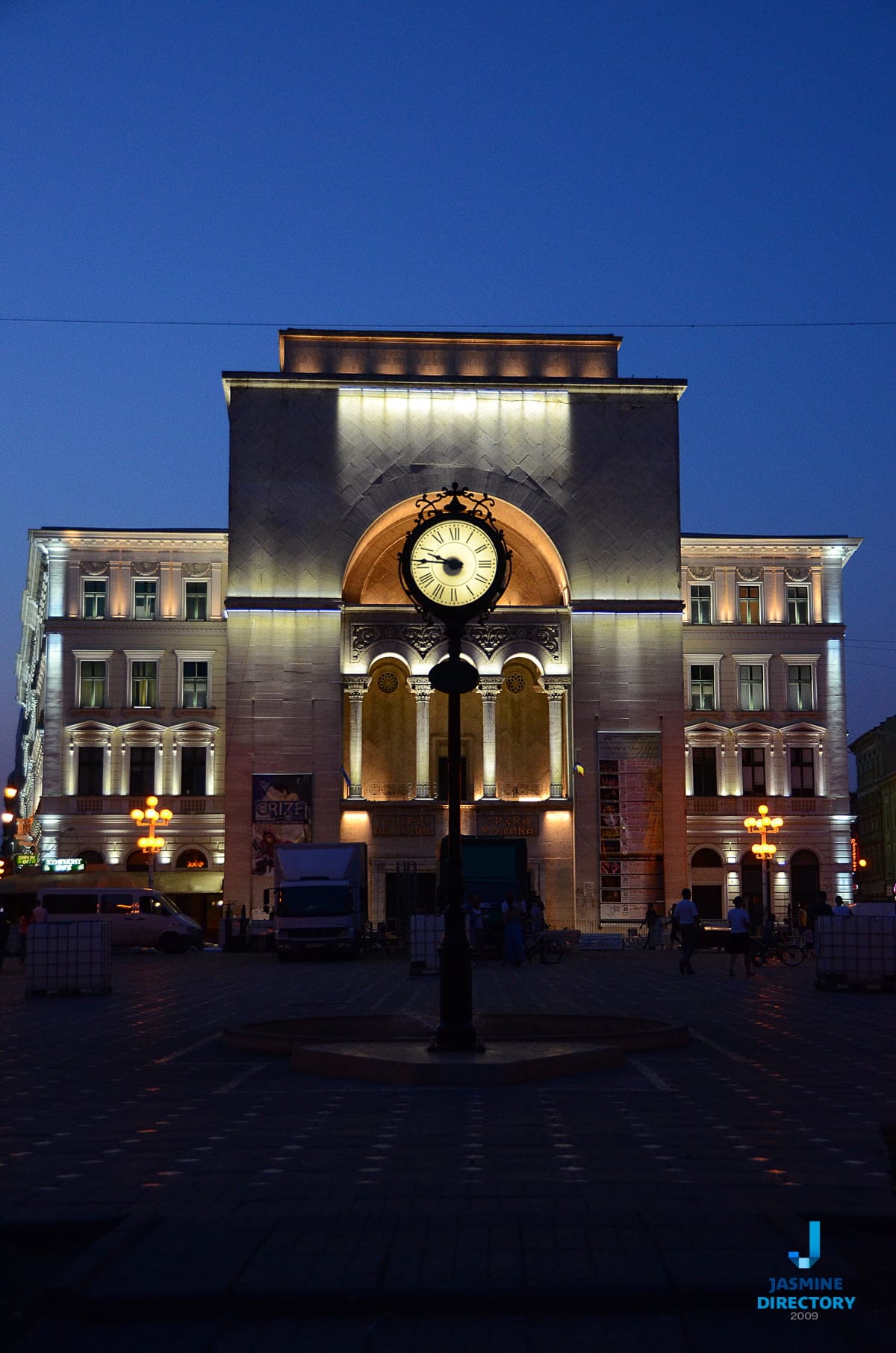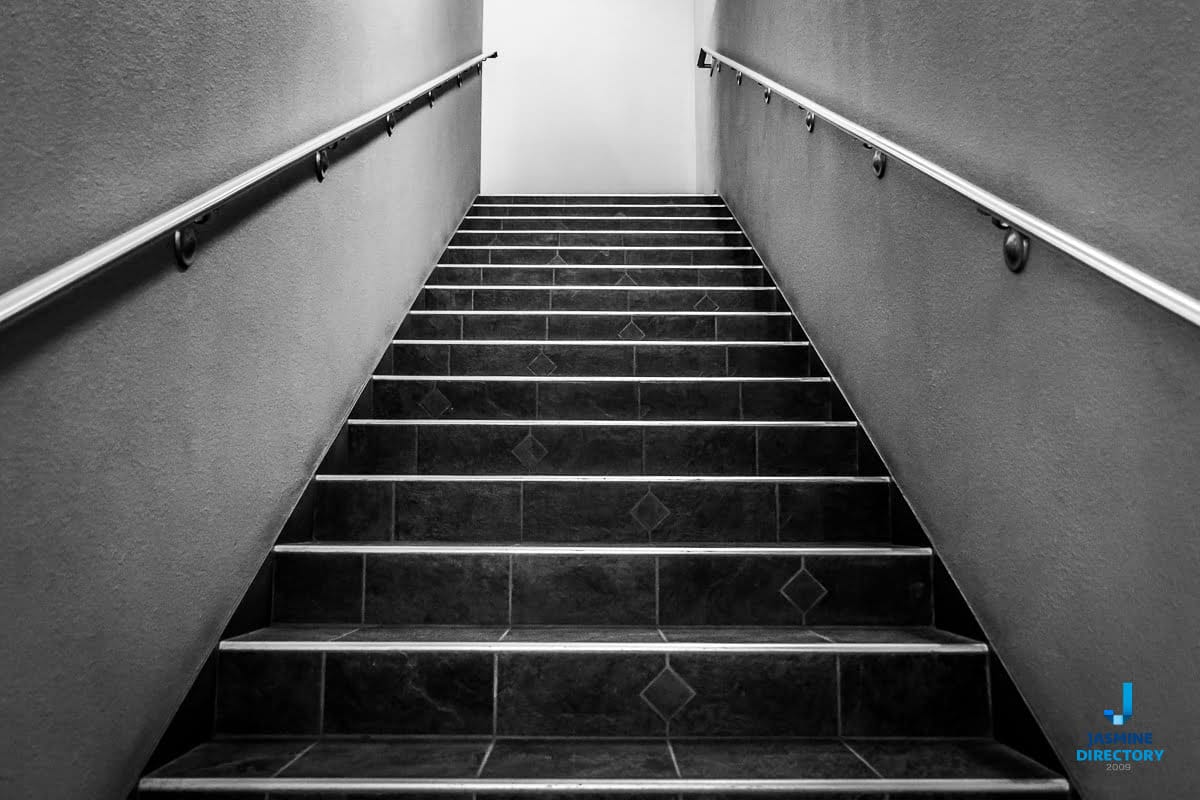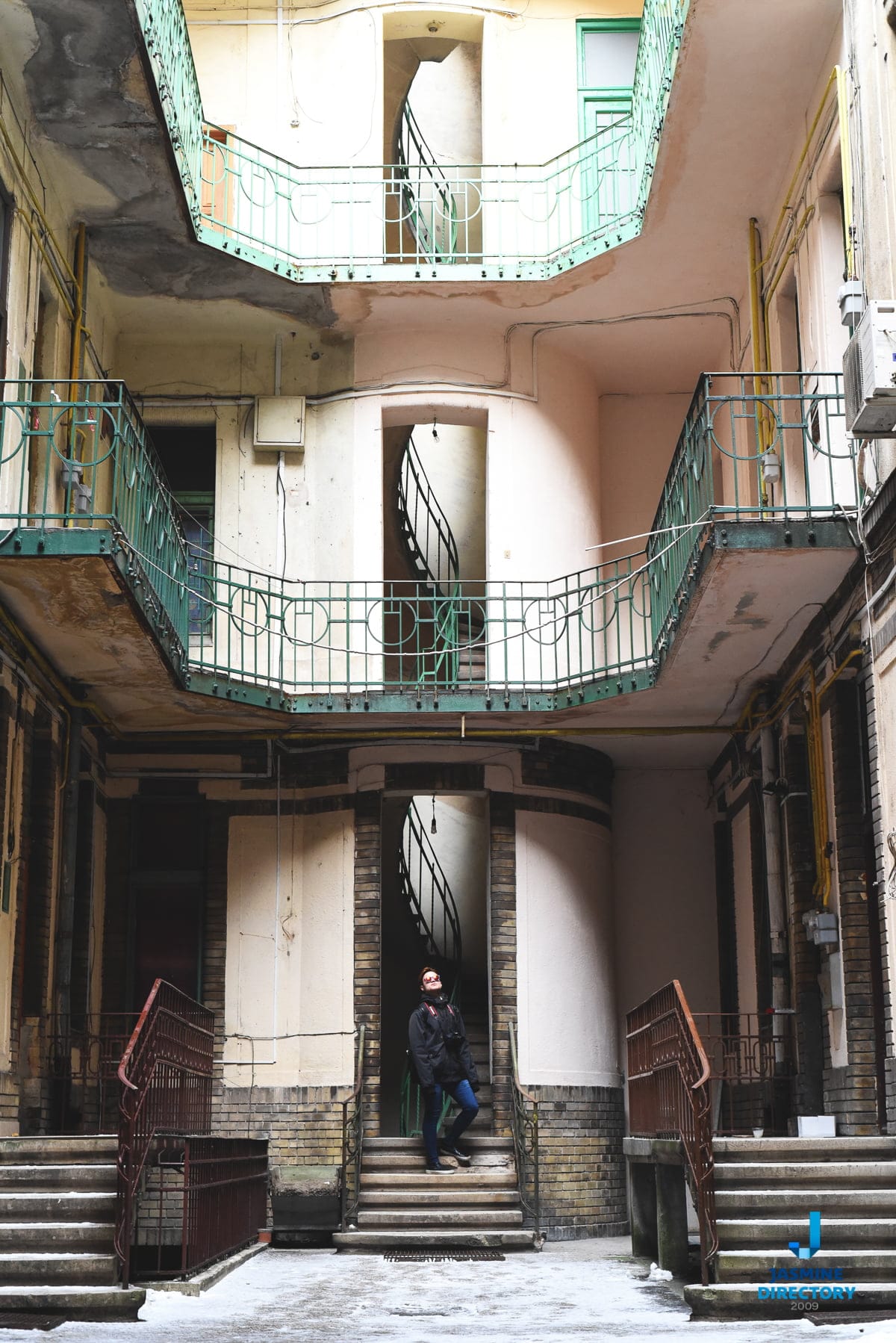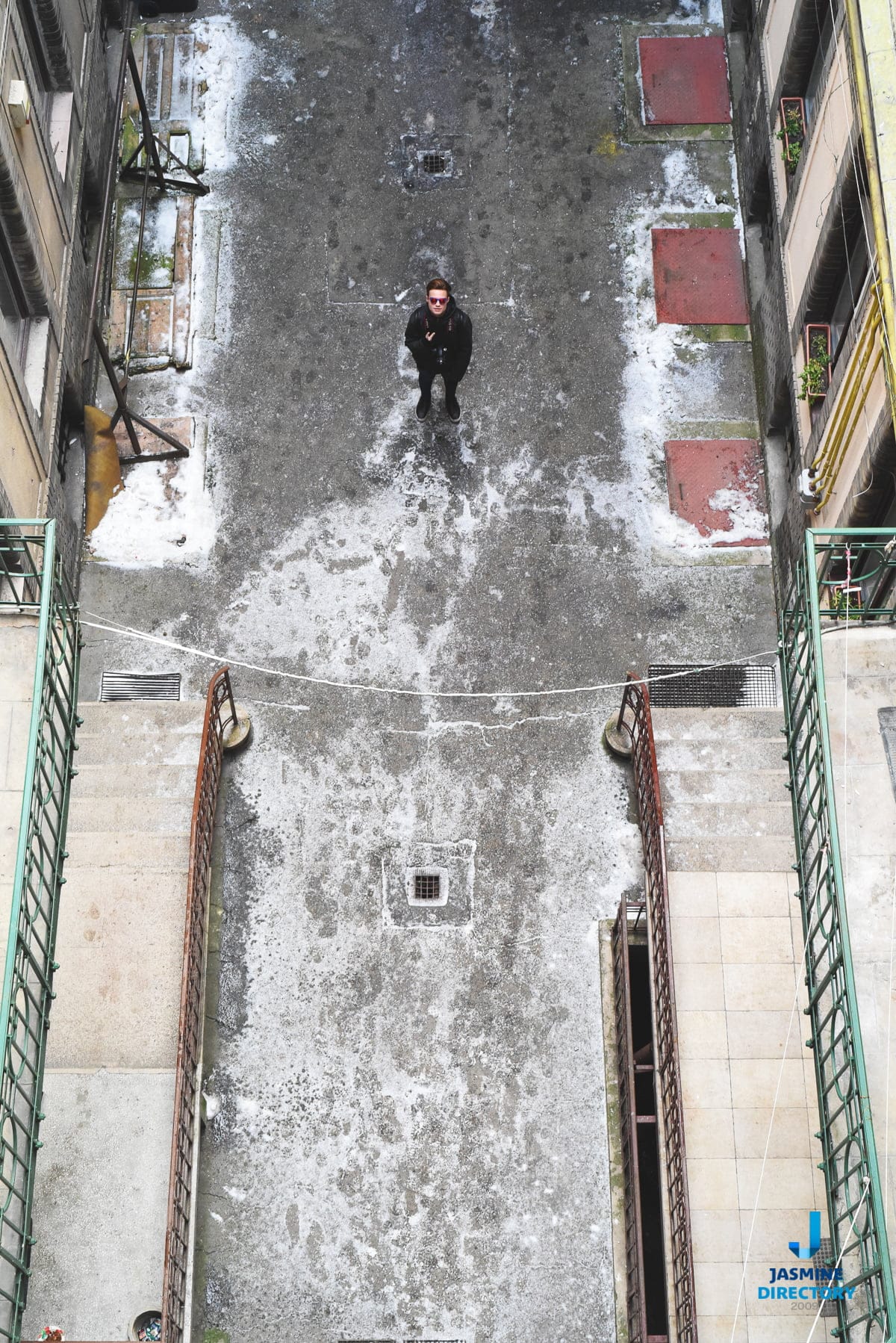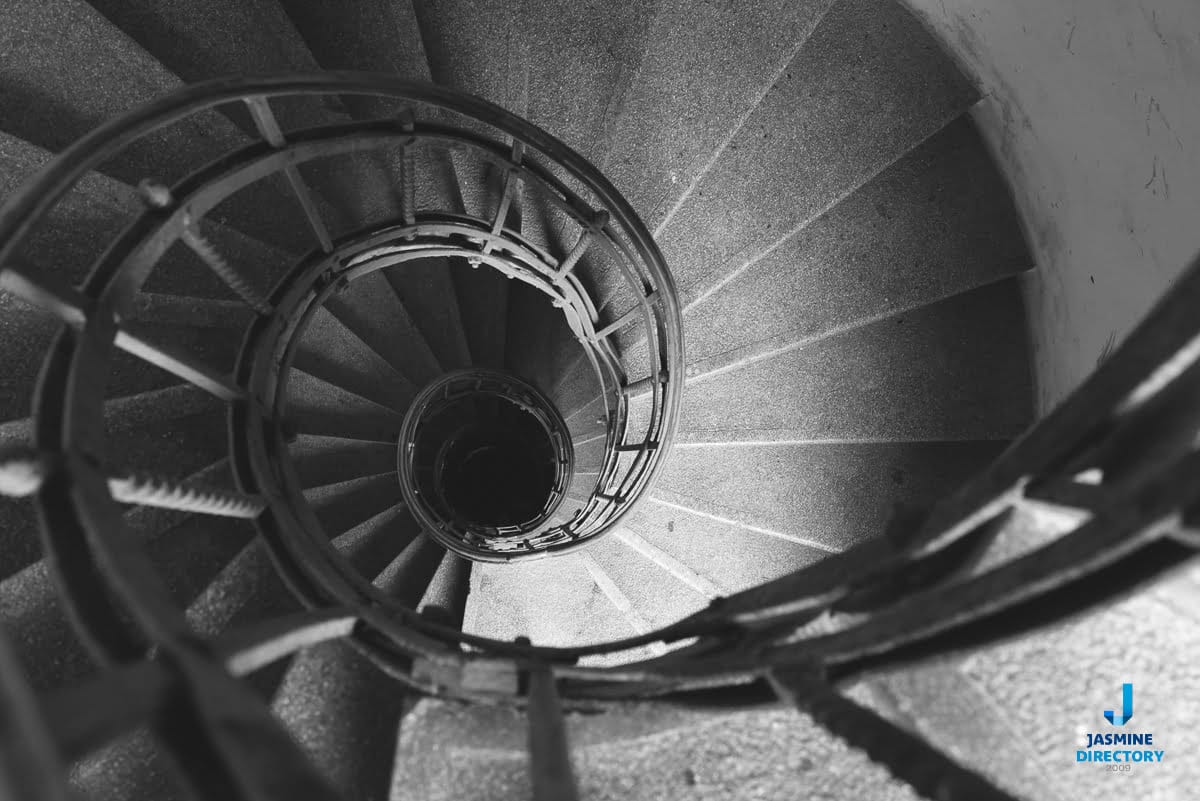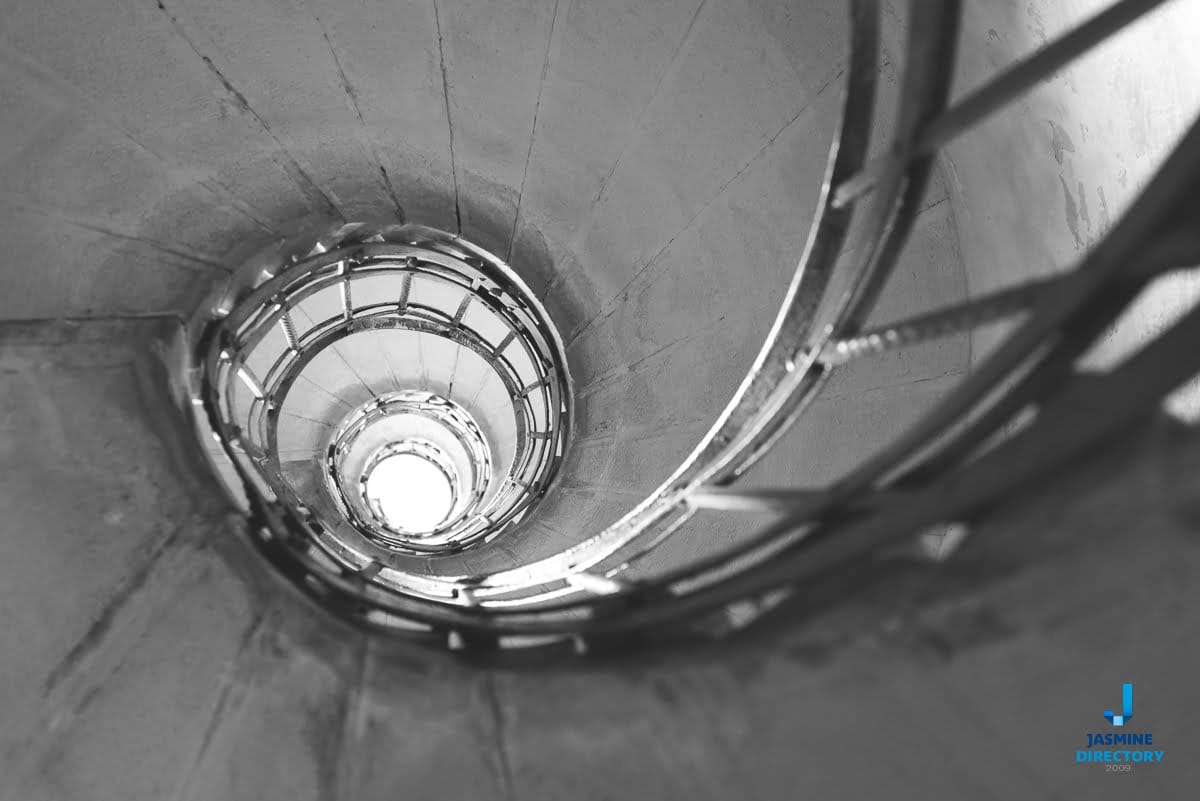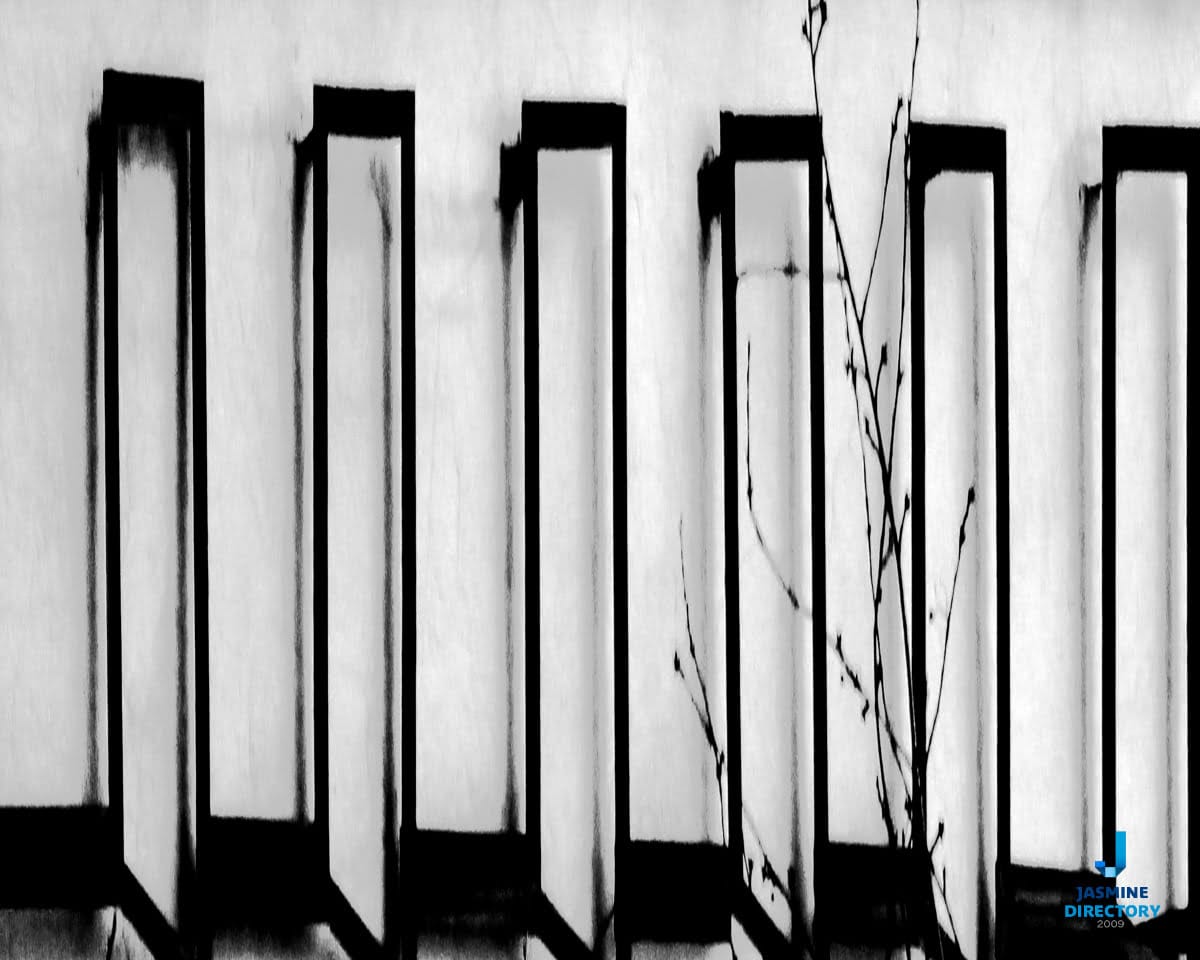
Symmetrical balance is one of the oldest working rules in photography, and it applies just as squarely to painting, architecture, and the rest of the fine arts. We tend to link symmetry with perfection: the proportions of the human face, the facade of a cathedral, the reflection of a mountain in still water. Yet a photograph that is too perfectly mirrored can read as flat and, frankly, a little dull. The interesting pictures are usually the ones that set up symmetry and then break it, just slightly, with a figure, a shadow, or a splash of colour that pulls your eye off centre. Below are 30 photographs shot with symmetrical balance in mind.
What symmetry actually does to a picture
Symmetry is a shortcut to order. When the left half of a frame answers the right half, or the top answers the bottom, your eye reads the scene as stable and deliberate. That stability is why symmetry shows up so often in photographs of buildings, interiors, and reflections: the structure is already there in the subject, and the photographer’s job is to line up the camera so the axis of the scene runs straight through the middle of the frame.
There are a few forms worth naming. Reflective, or mirror, symmetry is the most familiar: one side is a flipped copy of the other, split by a vertical or horizontal line. Radial symmetry radiates out from a central point, which is why domed ceilings, spiral staircases seen from below, and flower heads photograph so well. Translational symmetry repeats a shape across the frame, like a row of identical arches or windows. You do not need to memorise the vocabulary to use it, but knowing which kind of symmetry a scene offers helps you decide where to stand.
Why perfect symmetry can bore the eye
Here is the tension in the original point above: symmetry signals perfection, and perfection can be tedious. A face that is flawlessly symmetrical often looks slightly artificial, and a composition split into two identical halves can leave the viewer with nowhere to go. The eye finds the centre line, confirms both sides match, and moves on.
The fix is a deliberate imperfection. Photographers call it breaking the symmetry: you build a balanced frame, then introduce one element that refuses to conform. A single person walking through a symmetrical corridor. One lit window in a grid of dark ones. A patch of warm colour on a cold, orderly background. That small disruption gives the eye a destination and turns a diagram into a picture. The rule still holds the composition together; the exception gives it life.
This connects to how people scan images and pages more generally. Jakob Nielsen’s foundational study “How Users Read on the Web” (1997) found that 79% of test users scanned any new page they came across, while only 16% read word by word. Our eyes hunt for a focal point and a way in. A symmetrical composition with one clear break offers exactly that: order to reassure the viewer, and a single anchor to hold attention. A composition that is symmetrical and nothing else gives the scanning eye no reason to linger.
Shooting it well
Getting symmetry to land takes more care than it looks. A few practical habits make the difference:
- Find the true centre and put the camera on it. If the axis is vertical, stand square to the subject so converging lines stay straight rather than leaning.
- Use the gridlines in your viewfinder or on your screen. A subject that is a few degrees off will read as a mistake rather than a choice.
- Watch the edges of the frame, not just the middle. Symmetry breaks down fast when one side includes a stray object the other side does not.
- Mind the light. Even a mirror-image composition falls apart if one half is brightly lit and the other sits in shadow, unless that contrast is the point.
- Look for reflections. Water, glass, polished floors, and mirrors hand you a ready-made axis, and they are forgiving places to practise.
Reflections deserve a special mention because they do so much of the work for you. A calm lake at dawn turns a landscape into a near-perfect mirror across a horizontal line. A rain puddle in a city street can double a building. Shooting low, close to the reflective surface, usually strengthens the effect by giving the reflection more room in the frame.
From composition to being found
Making a strong symmetrical image is one thing; having anyone see it is another. Whether you shoot for pleasure or for hire, the photographs that travel are the ones people can locate, credit, and trust. That is partly why photo credits sit under every image below: attribution is how a picture keeps its author attached to it as it moves around the web.
For working photographers, the same logic scales up. Ann Handley argues in “Everybody Writes” (2022) that in an online-first economy every business is effectively a publisher, so the usefulness and clarity of what you put out becomes a direct business asset rather than decoration. A portfolio that is well organised, clearly captioned, and listed where clients actually look does more for you than a folder of brilliant frames nobody can find. Being present in curated, human-checked places, alongside a searchable body of work, is how a photographer moves from admired to hired.
How to look at the set below
As you scroll, try to spot two things in each shot: the axis that creates the symmetry, and the element (if any) that breaks it. Some of these images play the rule completely straight. Others plant a small disruption that is easy to miss on a first pass. Both approaches are valid; comparing them is the fastest way to train your own eye. When you next lift a camera, you will start seeing symmetry everywhere: in doorways, staircases, station platforms, and the still water at the end of a quiet day.